
If you want to cook dal and rice in the Instant Pot at the same time, this guide is for you.
In my kitchen, efficiency matters, but flavor is never optional. That's why I rely on the Pot-in-Pot (PIP) method when I want dinner to be done faster without compromising on taste. It lets you cook dal and rice together in one Instant Pot, with fewer dishes and zero juggling on the stove.
Jump to:
What Is the Pot-in-Pot (PIP) Method?
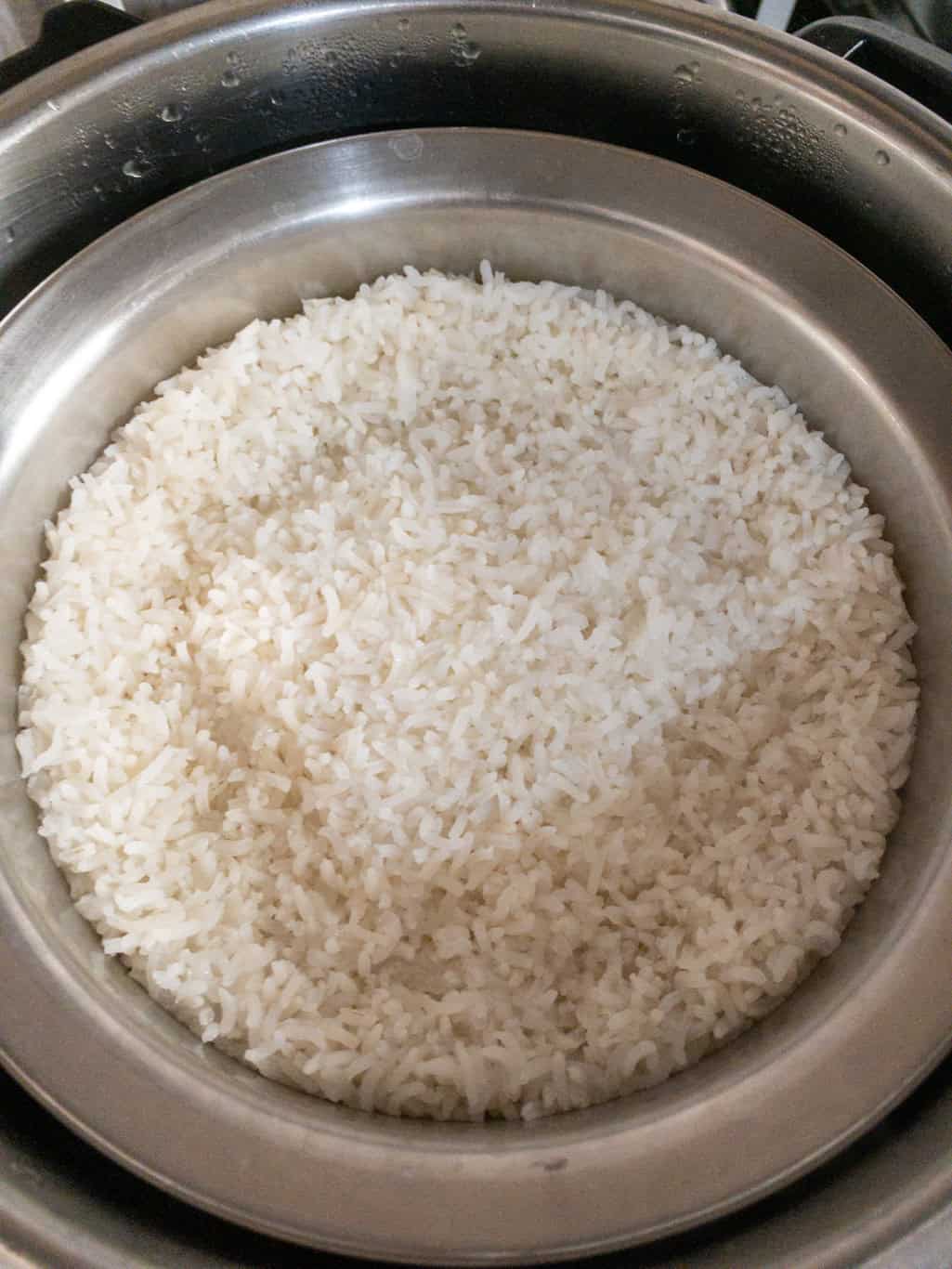
The Pot-in-Pot (PIP) method means placing a separate bowl or container inside the Instant Pot's inner pot to cook food. Instead of adding everything directly to the main pot, you cook your food in a smaller stainless-steel bowl placed on a trivet inside the Instant Pot.
In the dal and rice setup:
- The dal cooks directly in the main inner pot
- The rice cooks in a separate stainless-steel bowl
- The rice bowl sits on a trivet above the dal
- Steam from the dal cooks the rice without mixing the two
This setup allows both dishes to cook in the same pressure cycle while keeping their textures separate, which is why it works so well for Indian meals like dal and rice.
Instant Pot PIP Matchmaker Tool
One of the most common questions I hear is: "If my dal needs more time, won't my rice turn mushy?"
To remove the guesswork, I created this PIP Matchmaker Tool.
Select the dal and rice you're cooking, and it gives you the exact pressure time, water ratios, and release method I use in my own kitchen.
👉 This tool is especially helpful if you're new to PIP cooking or trying it with different dals.
Pot In Pot Matchmaker
Pick a lentil and a grain to get Instant Pot PIP settings.
Two Reliable Ways to Cook Dal & Rice Using PIP
Over years of testing and based on reader feedback, these are the two most dependable PIP methods for Indian cooking.
Method 1: Everything Together (One-Step Method)
This is the most hands-off method and works perfectly for toor dal, moong dal, and masoor dal. But we need to add the tempering after the dal is cooked.
How to Do It

Step 1: The Base: Add washed dal, water, salt, and a pinch of turmeric directly to the inner pot.

Step 2: The Stack: Place a tall trivet (2-3 inches) inside the pot so it stays above the dal liquid.

Step 3: The Top: Add washed basmati rice or millet and water to a stainless-steel bowl and place it on the trivet.

Step 4: Pressure Cook: Cook on High Pressure for 8 minutes, followed by 10 minutes Natural Pressure Release (NPR).
Want to Save This Recipe?
Method 2: Sauté First (Flavor-Forward Tadka Method)
This is my preferred way to cook dal and rice, as we do not need to do a separate tadka, so one less dish to clean. This is the best method when you want classic Indian flavor with tempered spices, onions, and tomatoes.
How to Do It

Step 1: Sauté the Tadka: Turn on Sauté mode. Heat oil or ghee. Add cumin seeds, onions, ginger-garlic paste, and tomatoes. Sauté until fragrant and lightly golden.

Step 2: Deglaze: Add washed dal and water. Scrape the bottom well to release any stuck bits. This prevents a burn notice. Cancel Sauté.

Step 3: Set Up PIP: Place the trivet directly into the seasoned dal mixture.

Step 4: Add the rice bowl on top. Pressure Cook: Cook based on the dal's pressure time.
Tested Tips from My Kitchen
- Cover the Rice Bowl: If your rice feels too wet, cover the bowl with a lid. This prevents condensation from dripping into the rice.
- Choose the Right Trivet: Always use a tall trivet so the rice bowl stays above the dal liquid.
- Instant Pot Size: This method works in both 6-quart and 8-quart Instant Pots. Just make sure the rice bowl doesn't touch the lid.
- Long-Cooking Legumes: For rajma, chole, or whole beans that take 25+ minutes, PIP rice is not ideal. Cook rice separately or switch to brown rice.
Frequently Asked Questions
I recommend stainless steel bowls. They conduct heat evenly and give a consistent rice texture.
This usually happens after sautéing. Always deglaze thoroughly and add enough water before pressure cooking.
For soft dal-chawal or khichdi, cook everything together in the main pot. PIP is best when you want separate dal and rice textures.
No, as long as the pressure time is 10 minutes or less, white basmati rice cooks perfectly using steam.
Yes, please check the second dal rice method that I explained above.
Whether you're new to Indian cooking or already comfortable with the Instant Pot, the PIP method simplifies weeknight meals without sacrificing flavor.
Once you try it, cooking dal and rice separately will feel unnecessary. Give it a try and let me know how it works in your kitchen.
If you find my kitchen-tested tips helpful, click the button to see more of my recipes first when you search on Google!

Leave a Reply