
Have you ever stood in the grocery aisle, holding a bag of lentils and wondering where to begin? The world of Indian cooking can feel vast at first, but once you try making your first bowl of dal, you'll see how simple and satisfying it is.
Lentils are forgiving, quick to cook, and pair beautifully with Indian spices. You don't need complicated methods or special equipment, just the right lentil and a few basic ingredients. This guide will help you choose the best lentils for Indian cooking and make flavorful, beginner-friendly dals that taste like home.
Jump to:
Why This Guide Works

When I first started cooking Indian food regularly, lentils were my go-to ingredient. They're simple, nourishing, and come together beautifully with just a few spices. This guide brings together everything I've learned from years of making dal, including which lentils cook quickly, which ones create that creamy texture, and how to make them taste amazing every time.
If you're new to cooking Indian food, start here before exploring my Ultimate Guide to Indian Dal or my Instant Pot Dal Recipes Collection. Together, these posts will help you confidently make Indian dals from quick weekday comfort bowls to festive favorites.
Happy Cooking!
-Sravanthi
Why Lentils Are Perfect for New Cooks
Before diving into the types, let's see why lentils are such a kitchen staple for anyone starting:
- No soaking needed: Most lentils cook straight from dry to tender in under 30 minutes.
- Quick to cook: In an Instant Pot, they're ready in less than 10 minutes.
- Foolproof: Even if you overcook them, they just become creamier, which makes the dal taste even better.
That's why lentils are my go-to comfort ingredient on busy days.
The Easiest Lentils to Start With
Here are three lentils that are easy to find, cook quickly, and form the base for many Indian dishes. I started with these lentils when I learned to cook, so I am sharing my experiences with you.
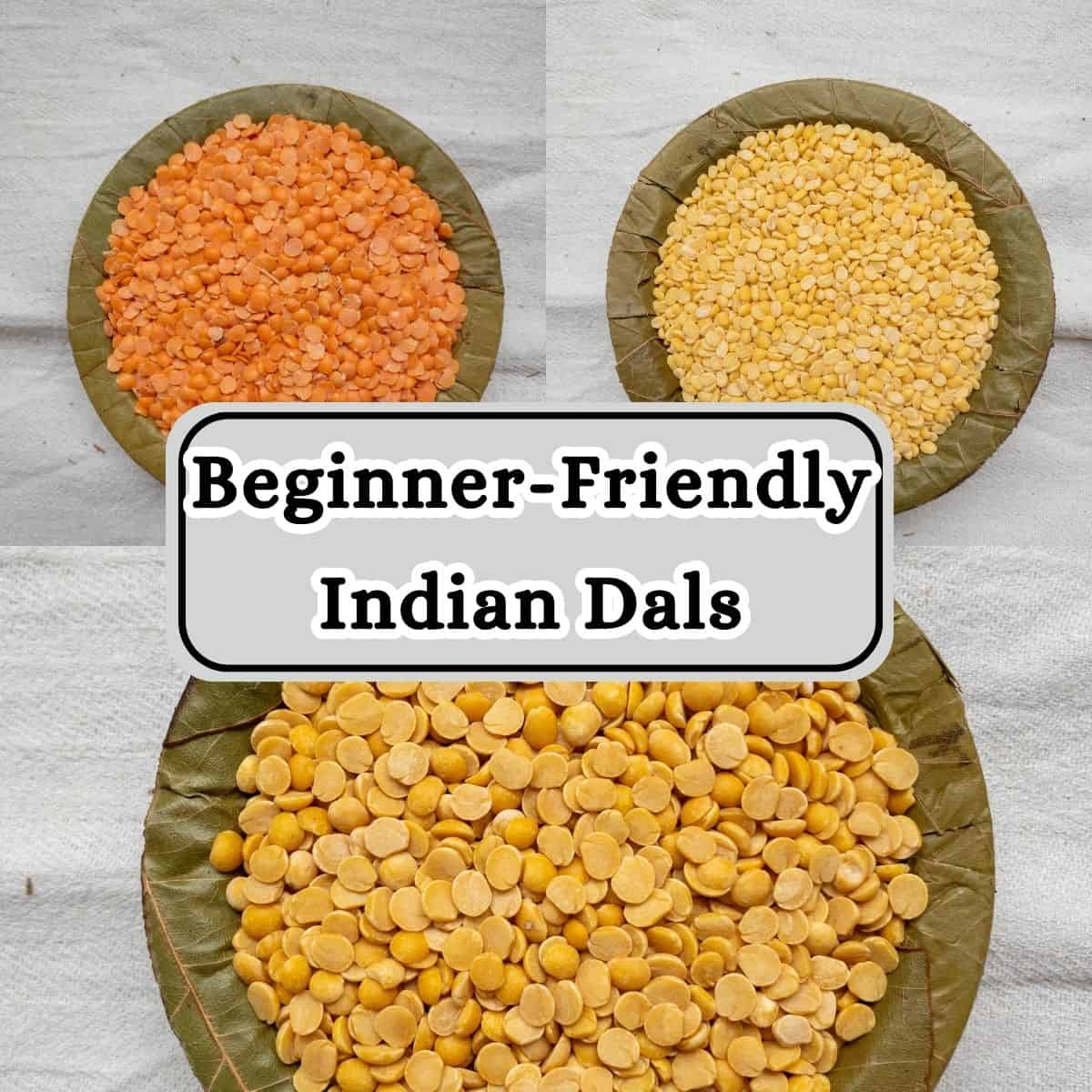
1. Masoor Dal (Red Lentils)
If you're new to cooking Indian food, start with masoor dal. It's fast, creamy, and nearly impossible to get wrong. And it is widely available everywhere.

- Why it's great: Cooks in minutes and turns naturally thick and soft.
- Look: Small, flat, and orange-pink before cooking.
- Texture: Becomes smooth and soupy once done.
- Quick idea: Simmer with turmeric and salt, then add a simple tadka of cumin seeds fried in ghee or oil.
👉 Try my Instant Pot Masoor Dal recipe, the perfect way to begin your dal journey.
2. Moong Dal (Split Yellow Lentils)
Light, nourishing, and easy to digest, moong dal is the gentle introduction every beginner needs. In my family, this is the first dal that kids get introduced to after solids.
Want to Save This Recipe?

- Why it's great: Mild flavor and cooks quickly.
- Look: Small, yellow, and easy to find.
- Texture: Soft but slightly holds shape, making it versatile for soups or khichdi.
- Quick idea: Combine it with rice to make khichdi, a soothing one-pot meal that feels like a warm hug.
👉 Start with my Instant Pot Moong Dal recipe or the classic Kitchari recipe for busy weeknights. I often make the South Indian breakfast dish, Pongal, with this lentil to start the day in a nourishing way.
3. Toor Dal (Pigeon Peas)
This is the heart of everyday Indian cooking, the lentil behind most home-style dals.
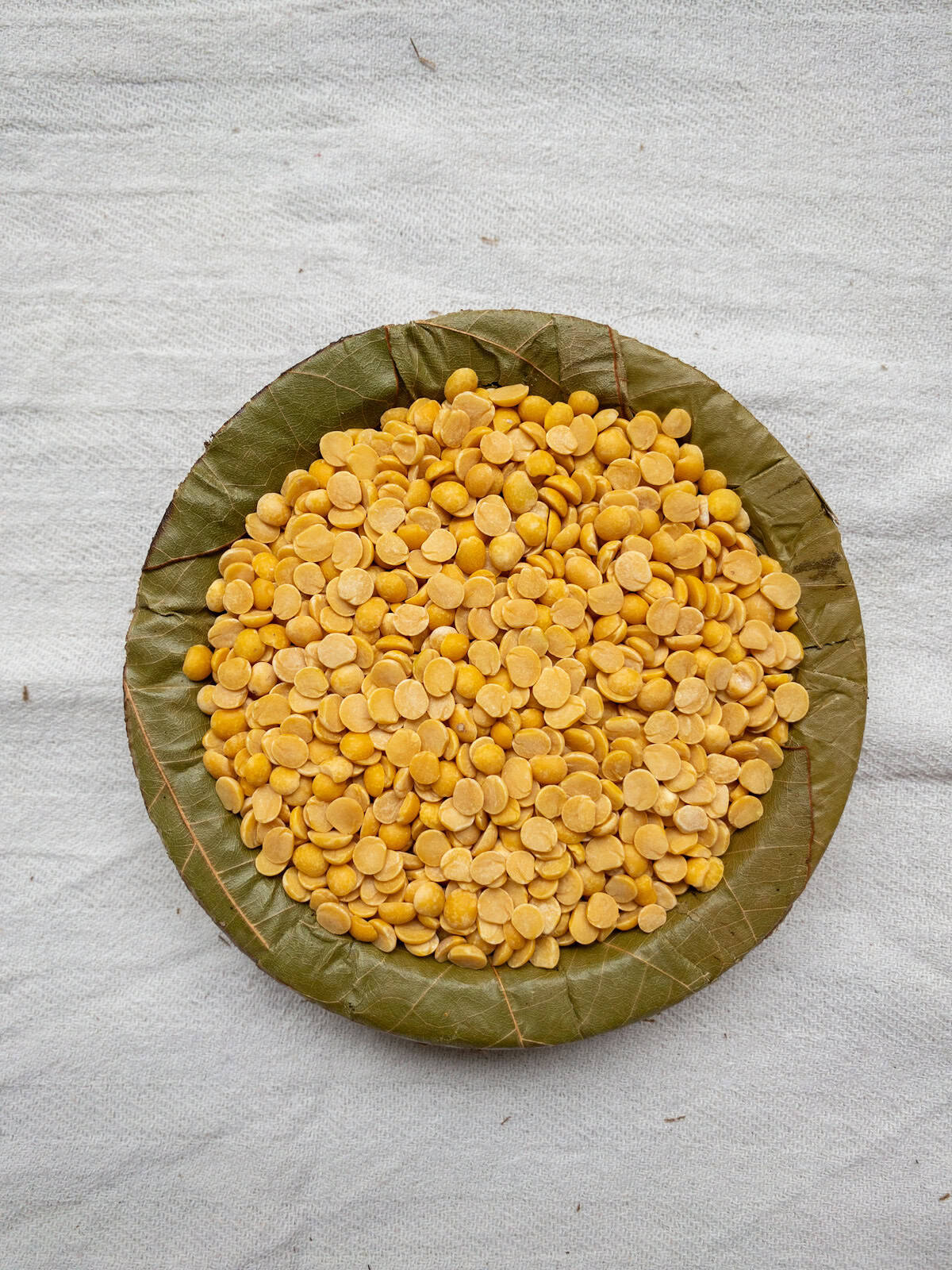
- Why it's great: Mildly nutty flavor, holds texture, and makes the most authentic dal tadka.
- Look: Medium-sized, pale yellow lentils.
- Texture: Soft yet structured, giving a little bite.
- Quick idea: Cook it with turmeric and salt, then finish with a sizzling tempering of garlic, mustard seeds, and cumin.
👉 Learn how to make it perfectly with my Toor Dal recipe. If you want to include greens in the dal, then try my palak dal, kale dal, amaranth leaves dal, and sorrel leaves dal.
A Simple, No-Fail Dal Formula
Once you pick your lentil, this basic method will help you make a comforting dal anytime, no recipe needed.
- Rinse: Wash 1 cup of masoor, moong, or toor dal until the water runs clear. You can mix the dal as well, like in my mixed dal tadka recipe.
- Cook: Add 3 cups of water and a pinch of turmeric. Simmer until soft (10-25 minutes depending on the lentil). I always pressure cook the dal to save time and make it creamy.
- Tadka: In a small pan, heat 1 teaspoon ghee or oil. Add ½ teaspoon cumin seeds, ½ teaspoon mustard seeds, and either red chili or green chili, and let them sizzle.
- Finish: Pour the tadka over the cooked dal, add salt, turmeric powder, red chili powder, and stir well. Garnish with fresh coriander leaves.
That's it! You've just made your first bowl of Indian dal.
A Quick Tip for Beginners
Avoid whole lentils like whole urad dal or green moong when starting, as they take longer to cook and need soaking. Stick to split yellow and red lentils for now. Once you're confident, you can explore those heartier varieties.
If you find my kitchen-tested tips helpful, click the button to see more of my recipes first when you search on Google!

Leave a Reply