
Want to cook Indian beans and legumes in the Instant Pot without constantly watching over the stove? With this hands-off method, you can easily prepare pantry staples, from rajma to chickpeas to dal, right from scratch.
Whether you're making Instant Pot chickpeas for chana masala, kidney beans for rajma, or lentils for your everyday dal, this Indian-style guide will help you get perfectly cooked legumes every time, with the right texture and flavor.

📌 New to Instant Pot cooking?

Check out my Instant Pot Basics for Indian Cooking to get started with settings, tips, and essential tools.
Happy Cooking!
-Sravanthi
Jump to:
- 📌 New to Instant Pot cooking?
- 💡 Why I Cook Beans and Legumes in the Instant Pot
- Dried vs. Canned Beans: What I Recommend
- Soaking or Not Soaking?
- Basic Instant Pot Bean and Legume Cooking Guide
- Flavoring Beans and Legumes in Indian Cooking
- Common Questions About Cooking Beans in the Instant Pot
- Instant Pot Bean and Legume Recipes
- Tested Tips from My Kitchen
💡 Why I Cook Beans and Legumes in the Instant Pot
I grew up watching my mom soak and cook beans in large batches every week because they are the foundation of many Indian meals. The Instant Pot has completely changed the way I cook Indian beans and legumes. Here's why I reach for it every week:
⏱️ Saves Time: Soaked beans that used to take over an hour on the stovetop now cook in minutes. I still prefer soaking beans overnight as it helps them cook more evenly. But even if I forget, the Instant Pot still delivers fully cooked beans from dried beans.
✅ Gives Consistent Results: The pressure cooking setting helps beans cook evenly, resulting in a creamy, soft texture that is perfect for Indian dals, chana masala, and rajma. And no more undercooked centers or broken skins.
🌿 Infuses Flavors Beautifully: When I cook soaked beans directly in a masala base, the flavors are better absorbed. The sealed environment helps spices, herbs, and aromatics infuse every bite with their taste.
💰 Saves Money (and Pantry Space): Cooking beans from dry is much more economical than canned beans. With the Instant Pot, I always have a fresh batch ready without standing at the stove for hours.
Dried vs. Canned Beans: What I Recommend
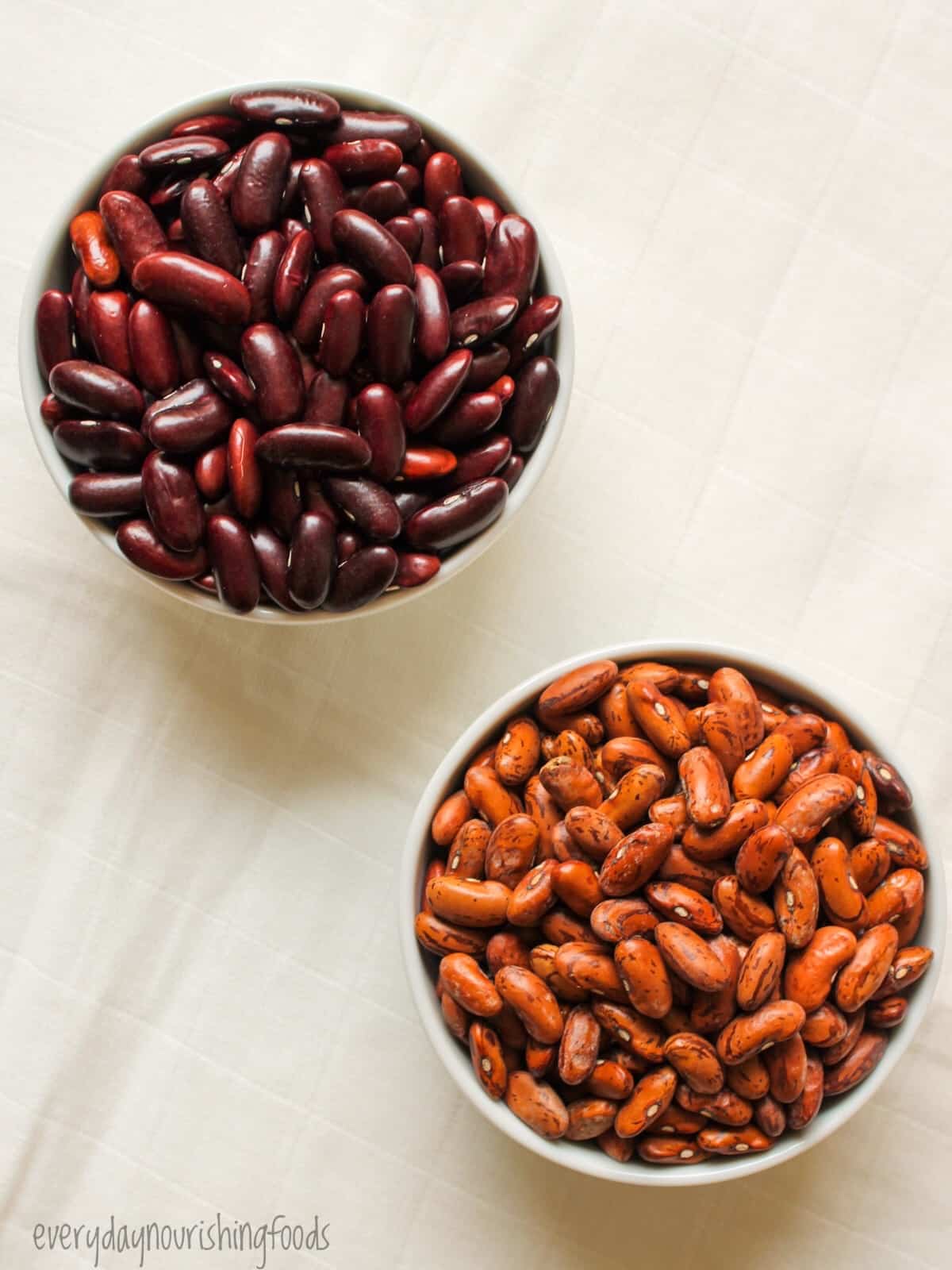
While canned beans are quick and convenient, I almost always cook my beans from scratch, especially for Indian recipes. Here's why:
- Better Flavor: Freshly cooked beans have a richer, more earthy taste than canned ones. In Indian dishes like dal, rajma, or chana masala, where the beans absorb spices, starting with dried beans makes a noticeable difference.
- Texture Control: With dried beans, you can decide the final texture: soft for dals, firm for salads, or curries. This flexibility is harder to achieve with canned beans, which are often too soft or inconsistent.
- Budget-Friendly: Dried beans are a cost-effective option that goes a long way, especially when cooking for a family or preparing meals in advance. I prepare a large batch, then freeze the leftovers in portions for later use.
- No Additives: Unlike canned beans, dried beans don't contain added salt or preservatives. This means you can control everything that goes into your meals, which is great if you're cooking for kids or following a whole-food diet.
The Instant Pot makes it so easy to cook dried beans that I rarely reach for canned ones anymore, even when I need to make a quick curry or dal.
Soaking or Not Soaking?
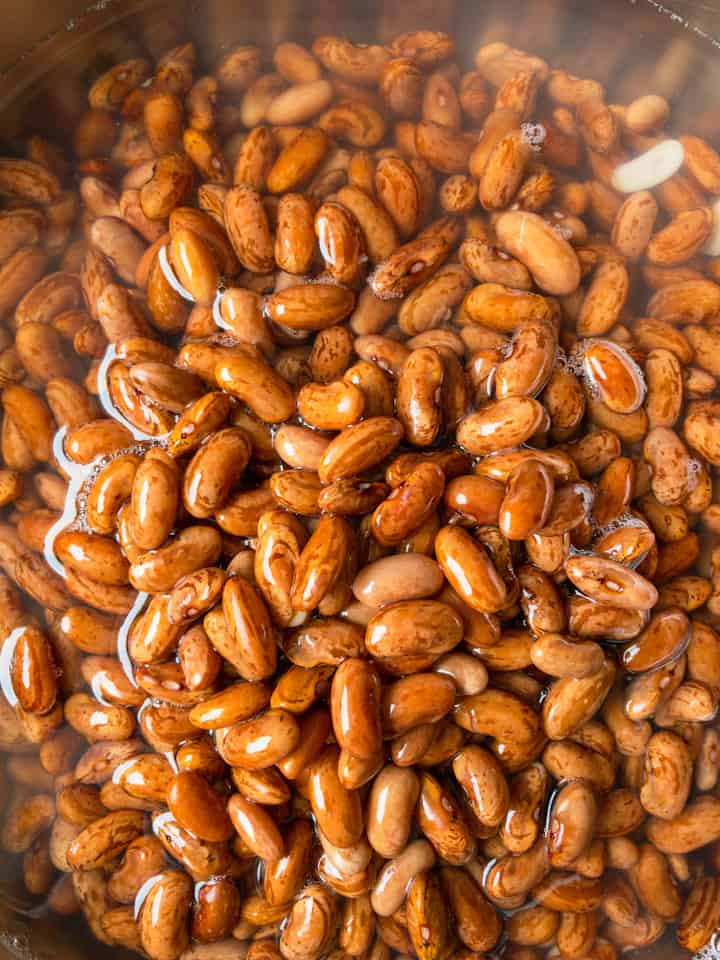
I usually soak my beans overnight, which helps them cook more evenly. However, on busy days, the Instant Pot allows me to skip that step and still achieve great results.
Here's how I decide:
- When Soaking is Helpful: I always soak kidney beans, chickpeas, and other large or dense beans for 8 to 10 hours. This helps avoid split skins and gives them that soft, creamy texture we want in curries like rajma or chole.
- When You Can Skip It: Smaller beans, such as moong beans, lentils (including masoor, toor, and moong dal), as well as black beans and black-eyed peas, can be cooked from dried beans in the Instant Pot. Just increase the cooking time slightly and expect a softer texture.
- How to Soak: Cover the beans with plenty of water and soak them for at least 6-8 hours or overnight. I usually do this before bedtime and rinse them in the morning. If I'm short on time, even a 4-hour soak helps.
Basic Instant Pot Bean and Legume Cooking Guide
While specific recipes may vary, here's a general formula for cooking beans and legumes in the Instant Pot:
- Bean/Legume to Water Ratio: The general rule is to use a 1:3 ratio of beans or legumes to water. However, this can vary slightly depending on the variety and desired texture.
- Cooking Times: Cooking times vary depending on the type of bean or legume. See the table below for specific recommendations.
- Pressure Release: I always use natural pressure release for most beans and legumes to prevent them from bursting, which is essential for maintaining the desired appearance and texture in Indian dishes.
Here's a table of common beans and legumes with their corresponding water ratios and cooking times:
| Bean/Legume | Bean to Water Ratio | Soaked Beans Cook Time | Dried Beans Cook Time |
|---|---|---|---|
| Chickpeas | 1:3 | 12-15 mins | 35-40 mins |
| Kidney Beans | 1:3 | 12-14 mins | 30-35 mins |
| Black-Eyed Peas | 1:2.5 | 5-6 mins | 15-18 mins |
| Black Beans | 1:2.5 | 9-12 mins | 25-30 mins |
| Adzuki Beans | 1:3 | 20-25 mins | 8-10 mins |
| Horsegram (Kulith) | 1:2.5 | 10-15 mins | 20-25 mins |
| Yellow Peas | 1:3 | 8-10 min | 20-25 mins |
| Pinto Beans | 1:3 | 12-14 mins | 30-35 mins |
Flavoring Beans and Legumes in Indian Cooking
One of the best aspects of cooking beans and legumes in the Instant Pot is how easily they absorb flavors. In Indian recipes, we often build layers of flavor using simple ingredients, and the pressure cooking process helps these flavors develop depth and complexity.
Here's how I usually season my beans and dals:
Start with Aromatics
I begin almost every Indian curry with a base of onions, garlic, and ginger sautéed in oil. This simple step builds a deep, savory flavor that's hard to replicate later. In the Instant Pot, you can use the sauté mode to do this right before pressure cooking. If you're new to the Instant Pot, please refer to my Instant Pot Basics guide, where I discuss all the Instant Pot's operations.
Use the Right Spices
My go-to spice mix includes cumin, turmeric, red chili powder, coriander, and garam masala. Toasting the spices for just a few seconds brings out their aroma, making the curry feel fuller and more balanced.
Want to Save This Recipe?
Add Whole Herbs
Whole bay leaves, curry leaves, or even cinnamon can add fragrance and depth. I sometimes add a small piece of cinnamon or a couple of cloves when cooking rajma or kala chana.
Cook in Broth or Masala
When I want to keep the dish simple, I cook beans in salted water. However, for a one-pot curry, I cook them directly in the masala or use vegetable broth to enhance the flavors.
Brighten with Acid
A little tang brings everything together. To balance out the richness of the spices, you can add chopped tomatoes or tamarind towards the end (I add them after the pressure cooking step and cook on sauté mode for 5 minutes). I often finish my dals with a dash of lemon juice or a sprinkle of amchur (dry mango powder).
Common Questions About Cooking Beans in the Instant Pot
These are a few questions I often get (or had myself!) when pressure cooking beans and legumes for Indian meals:
Some beans, especially chickpeas and black-eyed peas, foam while cooking, which can sometimes cause sputtering during pressure release. I usually add a teaspoon of oil to the pot to help reduce foaming. For recipes like Chana Masala, this also enhances the final texture.
If your beans are still slightly firm after cooking, simply pressure cook for a few more minutes with a splash of water. It's an easy fix.
Overcooked beans? No problem. You can turn them into:
1. A creamy dal
2. A base for soups (I also make rasam.)
3. A quick bean mash for paratha or sandwich filling
I often cook a big batch and store them for the week:
In the fridge: Up to 2-3 days in an airtight container
In the freezer: Up to 3 months (portion before freezing)
This makes it easy to pull together a quick curry or toss them into pulao or salad.
Yes, you can easily double the quantity of beans and water, make sure your Instant Pot isn't filled more than halfway for unsoaked beans or two-thirds for soaked beans. The cooking time stays the same, but it may take a little longer to build and release pressure. I often double the amount of chickpeas or kidney beans and freeze half for later. It's a simple way to meal prep for the week ahead.
Instant Pot Bean and Legume Recipes
Here are my favorite Instant Pot bean and legume recipes, all made with Indian flavors in mind. These recipes are perfect for everyday meals and work well for batch cooking too.
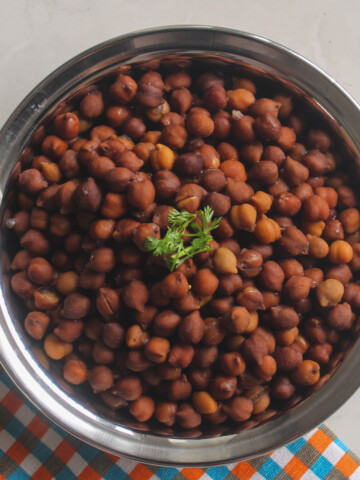
Instant pot Garbanzo beans (Chickpeas) - Soaked & Unsoaked
Instant Pot Kidney Beans (Dried & Soaked)
Instant Pot Black Beans (Soaked and dried)
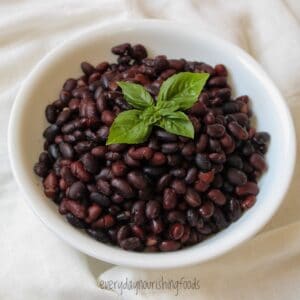
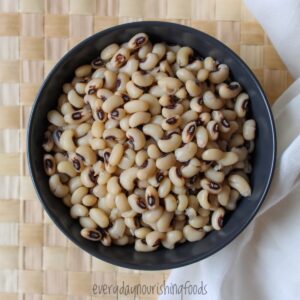
Instant Pot Black Eyed Peas (Soaked and Dried)
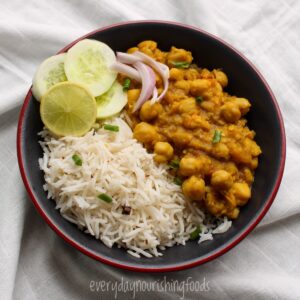
Instant pot Chickpea curry (Chana masala)
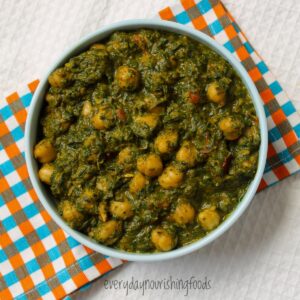
Instant Pot Chana Saag
Instant Pot Chickpea Vegetable Curry

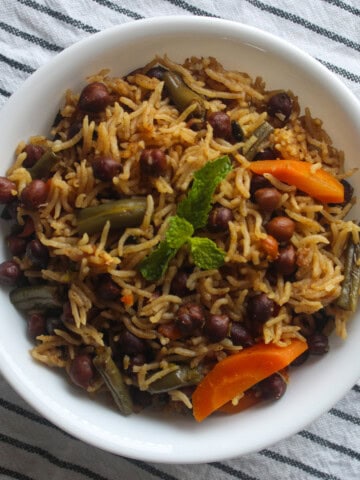
Instant Pot Chickpeas and Rice

Instant Pot Yellow Peas
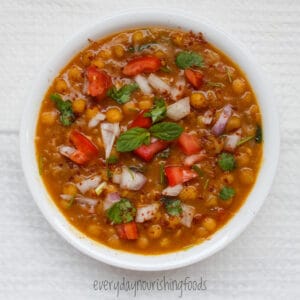
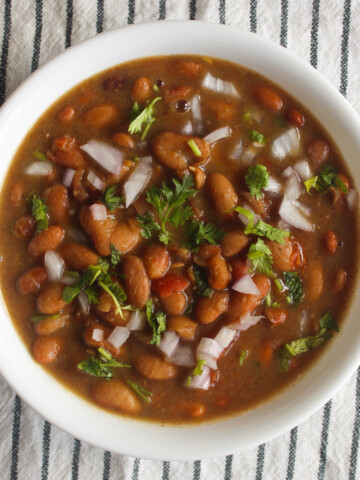
Instant Pot Kidney Bean Soup
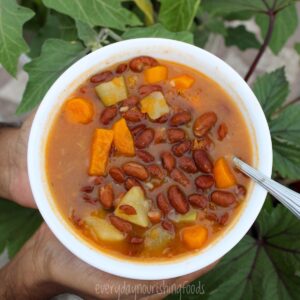
Instant Pot Beans and Rice

Instant Pot Black Eyed Peas Curry
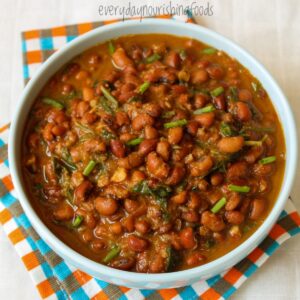
Adzuki beans curry

Horse gram soup - Kollu rasam - Ulavacharu recipe
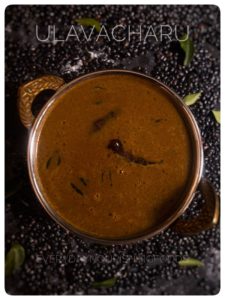
Vegetable black-eyed peas soup (Easy & vegan recipe)

Tested Tips from My Kitchen
- Use Fresh, Dried Beans: Opt for beans that haven't been stored in your pantry for months. Older beans take longer to cook and sometimes don't soften evenly. I buy in small batches and rotate regularly to keep them fresh.
- Store Leftovers Smartly: Cooked beans can be stored in the fridge for 2 to 3 days. I often freeze them in small containers, making it easy to grab and add to curries, pulao, or even salads.
- Adjust the Cook Time to Your Texture: If you prefer your chickpeas firm for salads or chaat, reduce the cooking time by 1-2 minutes. For dals or softer textures, add a few minutes and let them fully release the pressure naturally.
- Don't Skip the Tempering (Tadka): A simple tadka of mustard seeds, cumin, garlic, or curry leaves added at the end lifts the whole dish. I always do this for dals and sometimes even stir it into plain cooked beans before serving.
- Choose the Right Spices: Each bean or lentil pairs well with a different spice blend. For example, rajma pairs well with warming spices like garam masala and cinnamon, while chickpeas complement amchur or chole masala. Refer to individual recipes for guidance.
Cooking beans and legumes in the Instant Pot is one of my favorite time-saving kitchen hacks. With a few techniques, the right spices, and some planning, you can create flavorful Indian meals without hours at the stove.
This guide helps you cook with confidence using beans and legumes. Let me know which recipe you try first and how you like to flavor your dals and curries. I would love to hear from you in the comments!
If you find my kitchen-tested tips helpful, click the button to see more of my recipes first when you search on Google!
Leave a Reply