
In my kitchen, a salad is never just a bowl of greens with dressing. An Indian salad is crisp, tangy, and full of spice, the kind of side that makes the whole meal come alive. From a quick kachumber with dal and rice to a colorful sprouts chaat salad on a busy evening, these simple dishes always find a place on our table.
This guide brings together all of my favorite Indian salads from traditional staples to modern twists. You'll also find tested tips from my kitchen, meal pairing ideas, and easy recipes to help you enjoy fresh, flavorful salads every day.

Jump to:
The Anatomy of an Indian Salad
Across India, salads go by many names: salad, kosambari, koshimbir, or raita. Each version celebrates seasonal vegetables, legumes, and a few everyday spices that turn plain ingredients into something vibrant.
At home, I've found that the best Indian salads are never complicated. They come together with a handful of fresh ingredients, a sprinkle of spices, and just enough tang to balance the meal. Here's what makes them so distinct:
The Base: Beyond Leafy Greens
While you may see leafy greens in some modern recipes, most traditional Indian salads start with other simple ingredients.
- Fresh Vegetables: Cucumbers, onions, and tomatoes are the backbone of everyday salads like kachumber. In my kitchen, I often add grated carrots, radish, or beetroot when they're in season. This type of salad pairs beautifully with dal and plain basmati rice, adding a fresh touch to the plate.
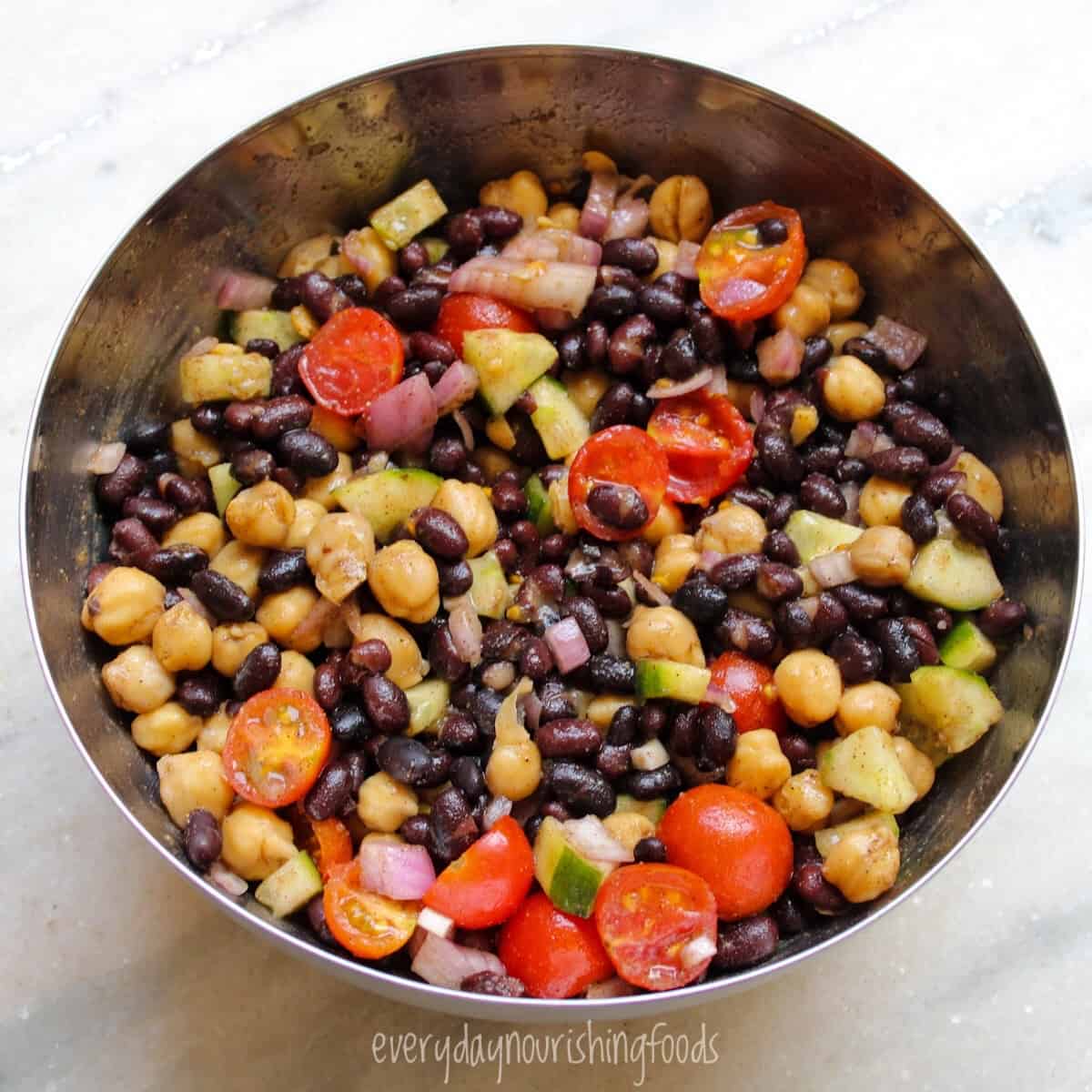
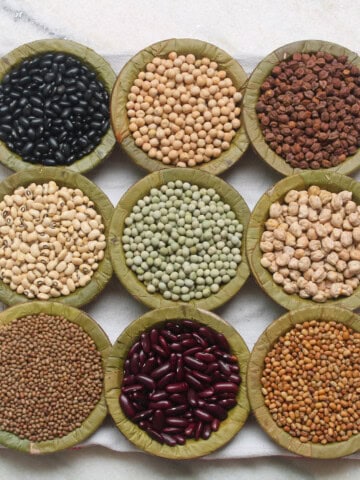
- Legumes & Pulses: A bowl of sprouted moong or boiled kala chana instantly becomes a protein-packed salad. These are not just sides; they often double as quick lunchbox meals. I like serving kala chana salad with lemon rice for a wholesome weekday lunch.
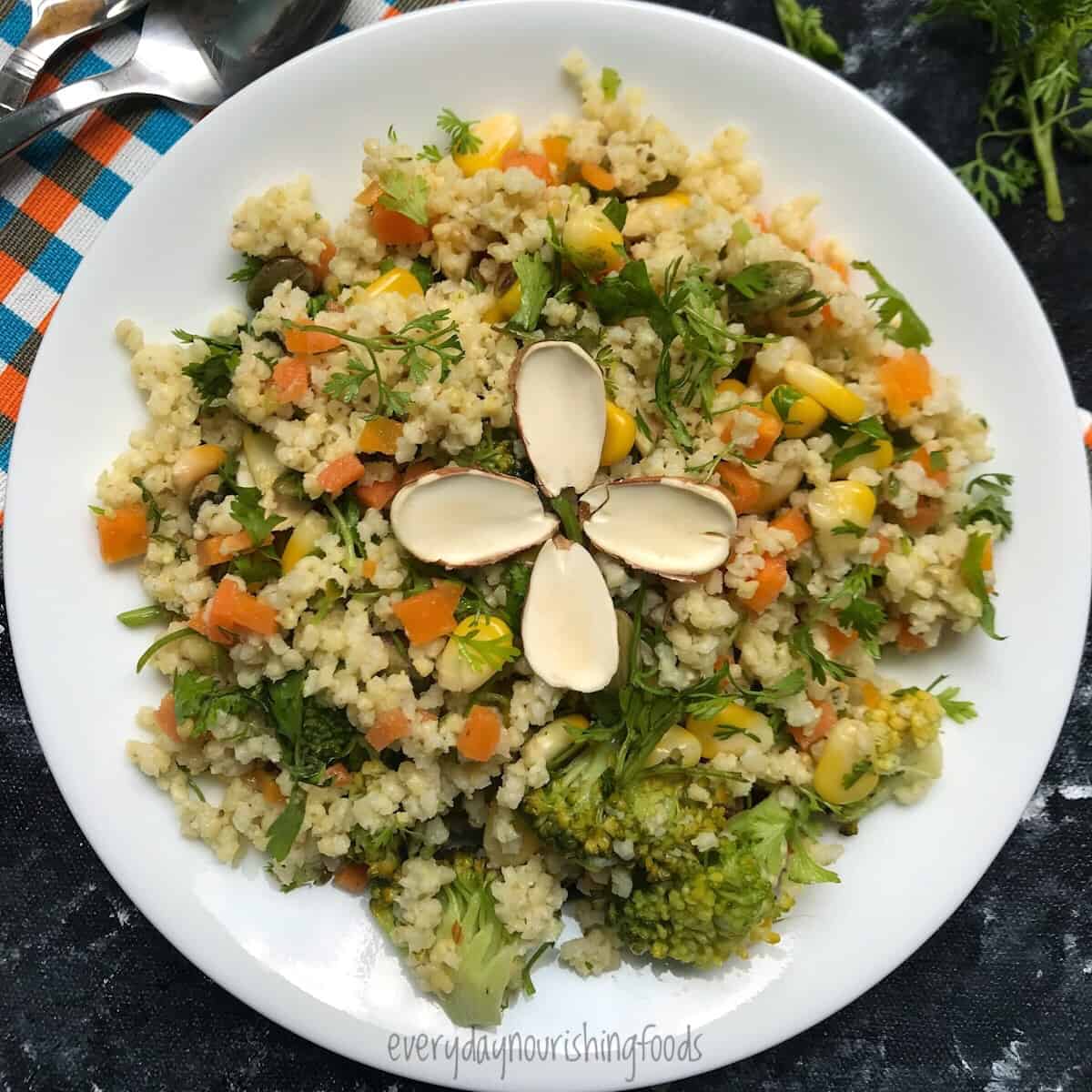
- Grains: Millets and quinoa turn a salad into a filling dish. I love using them for meal prep, as they stay fresh in the fridge and taste even better the next day. Millet salad goes well with a simple curry like spinach dal, while quinoa salad can be paired with vegetable curries for a balanced meal.
- Fruits: No Indian summer feels complete without fruit chaat. Sweet mangoes, tangy oranges, or crisp apples tossed with chaat masala always bring a burst of freshness. Fruit chaats are often enjoyed on their own, but I also like serving them after a rich curry meal as a light, spiced dessert.
The Spices: The Soul of the Salad
What makes an Indian salad memorable is the flavor, that unmistakable chatpata taste.
- Chaat Masala: A pinch of this blend (with dried mango powder, cumin, and black salt) makes even plain cucumber slices irresistible.
- Kala Namak (Black Salt): I reach for this when I want that tangy-sulfurous kick. It's tiny but mighty in flavor.
- Roasted Cumin Powder: Just a sprinkle adds a warm, earthy aroma that pairs perfectly with raw vegetables.
Tested Tip from My Kitchen: Don't be afraid to finish a salad with a quick tadka. Crack some mustard seeds and cumin in ghee or oil, and pour it over the cucumber or sprouted moong. It transforms the salad into something extra special. I often serve this version with millet khichdi for a light but satisfying dinner.
The Dressing: Simple & Flavorful
Unlike heavy, creamy Western dressings, Indian salads shine with the simplest touch.
- Fresh Lemon or Lime Juice: I use this almost daily for its bright, tangy kick. Tomato and onion salad with lemon juice is a staple accompaniment to pulao at my place.
- Yogurt (Dahi): When a dish is spicy, a spoonful of creamy yogurt helps balance the heat. Cucumber raita, for example, is a classic cooling side dish in Indian homes. I always pair it with paneer pulao or spicy curries to balance the flavors.
Exploring Different Types of Indian Salads
From everyday staples to modern creations, there's an Indian salad for every mood and meal. These are some of my favorites that I often turn to at home, each with its own charm and perfect pairings.
Traditional Vegetable Salads
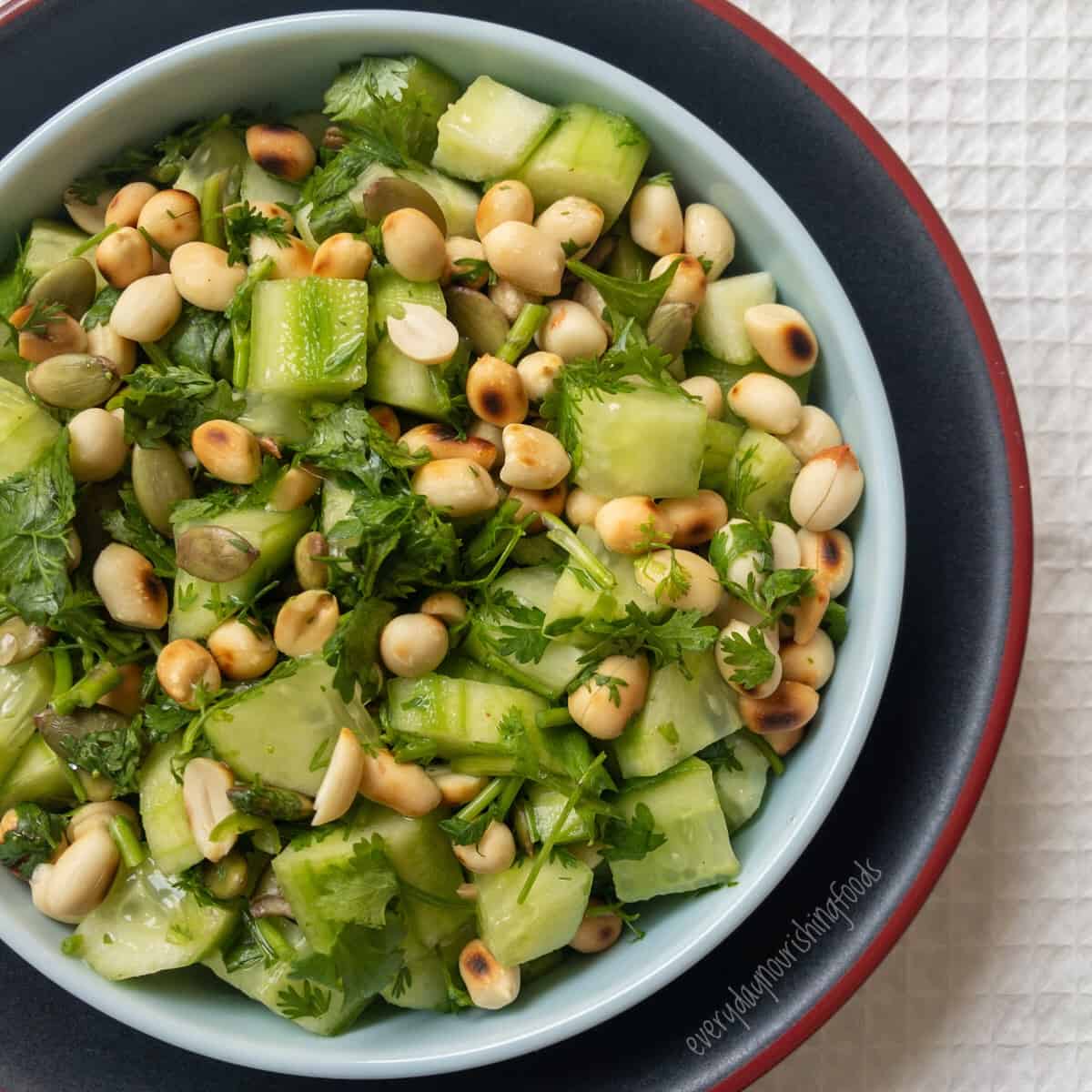
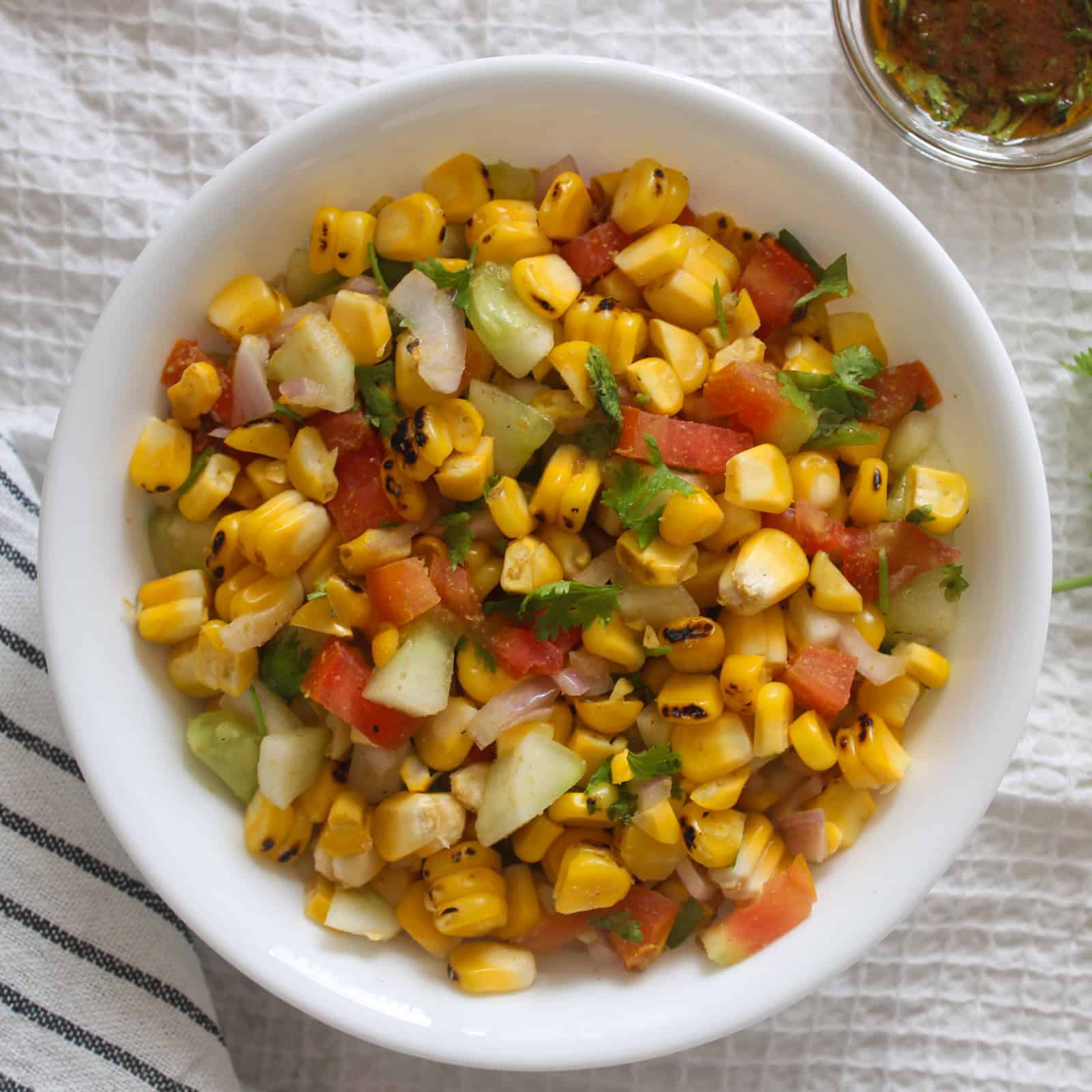
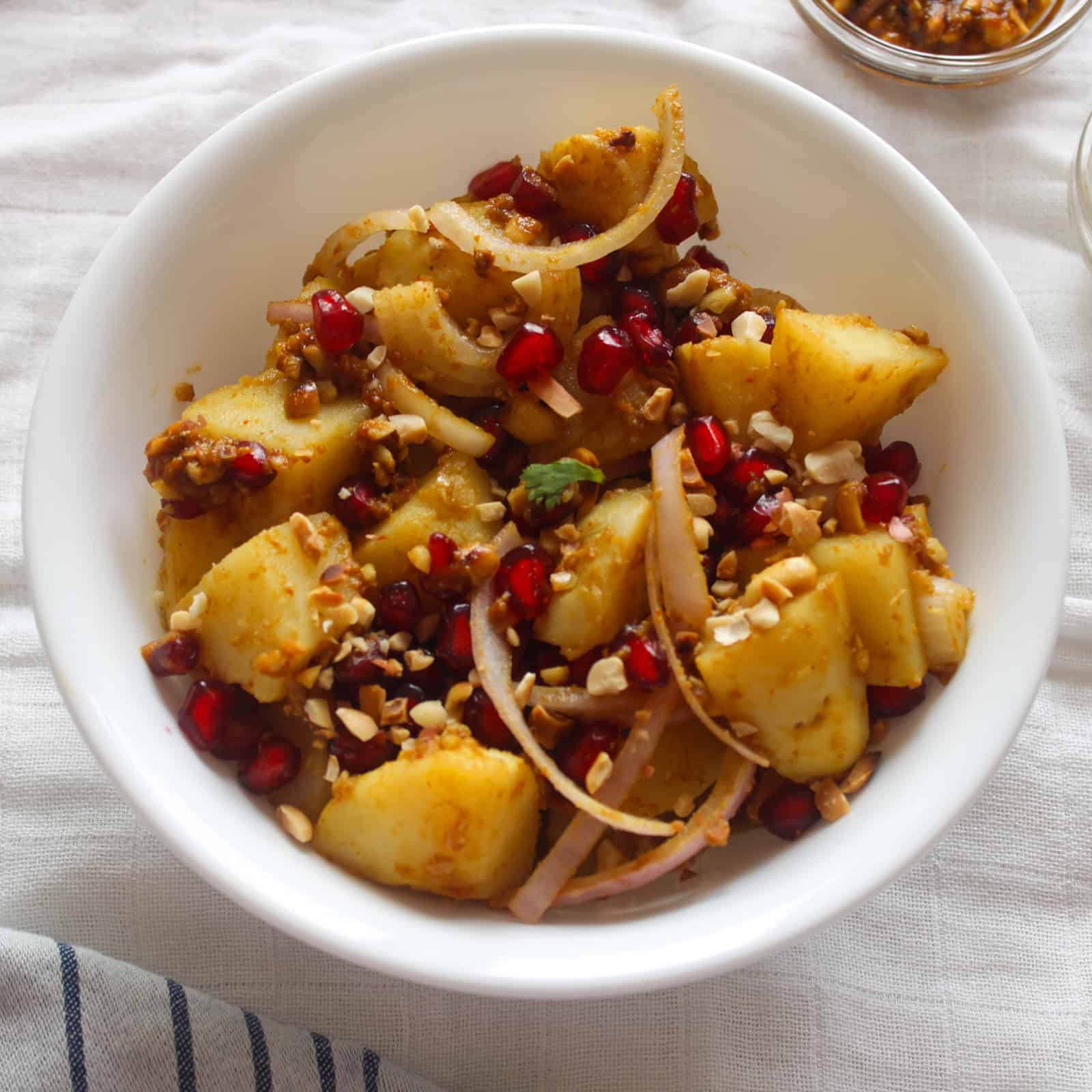
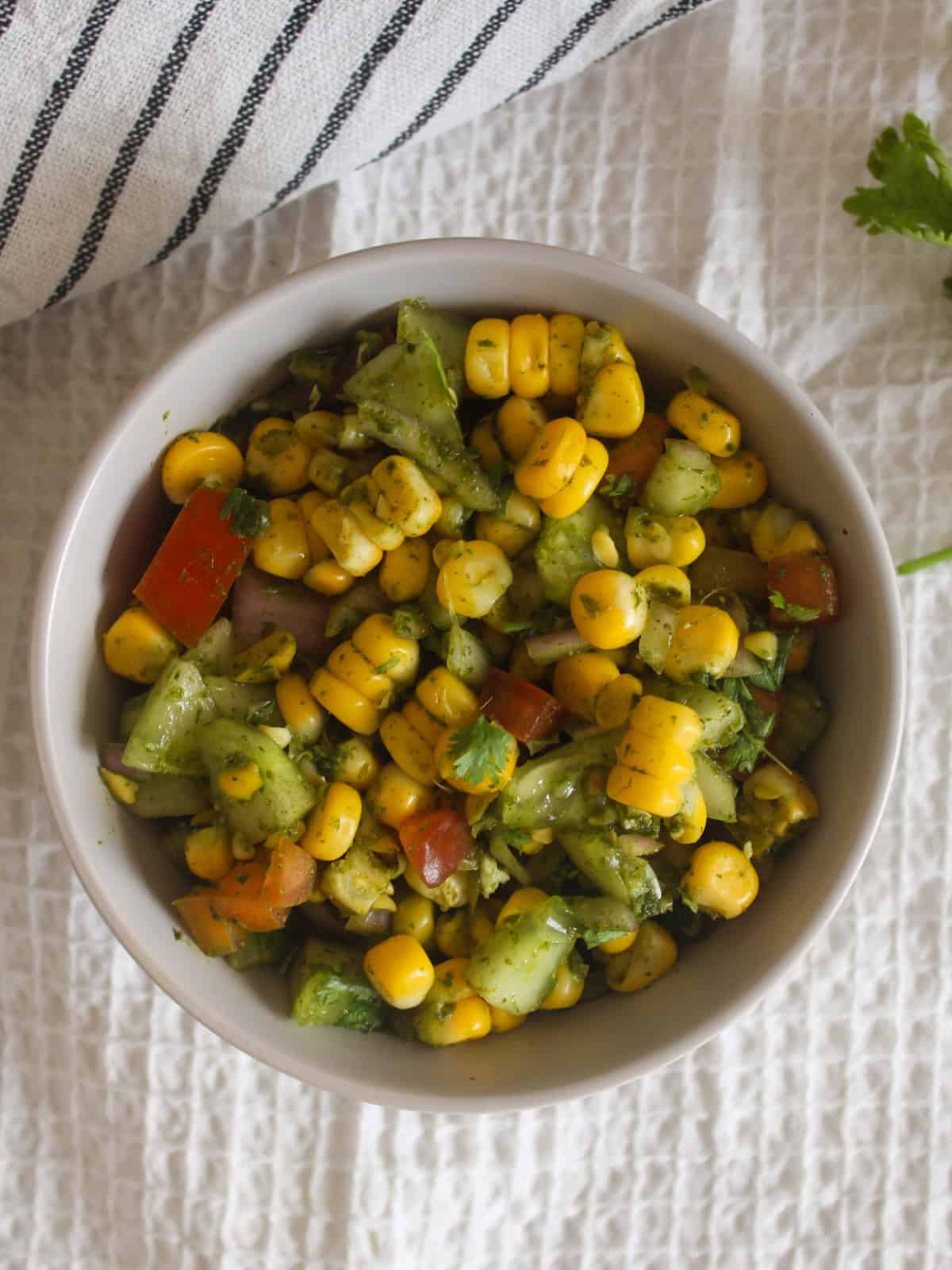
These simple salads are a part of daily Indian meals. Fresh, crunchy, and lightly spiced, they balance heavier curries and dals beautifully.



Want to Save This Recipe?
Hearty & High-Protein Salads
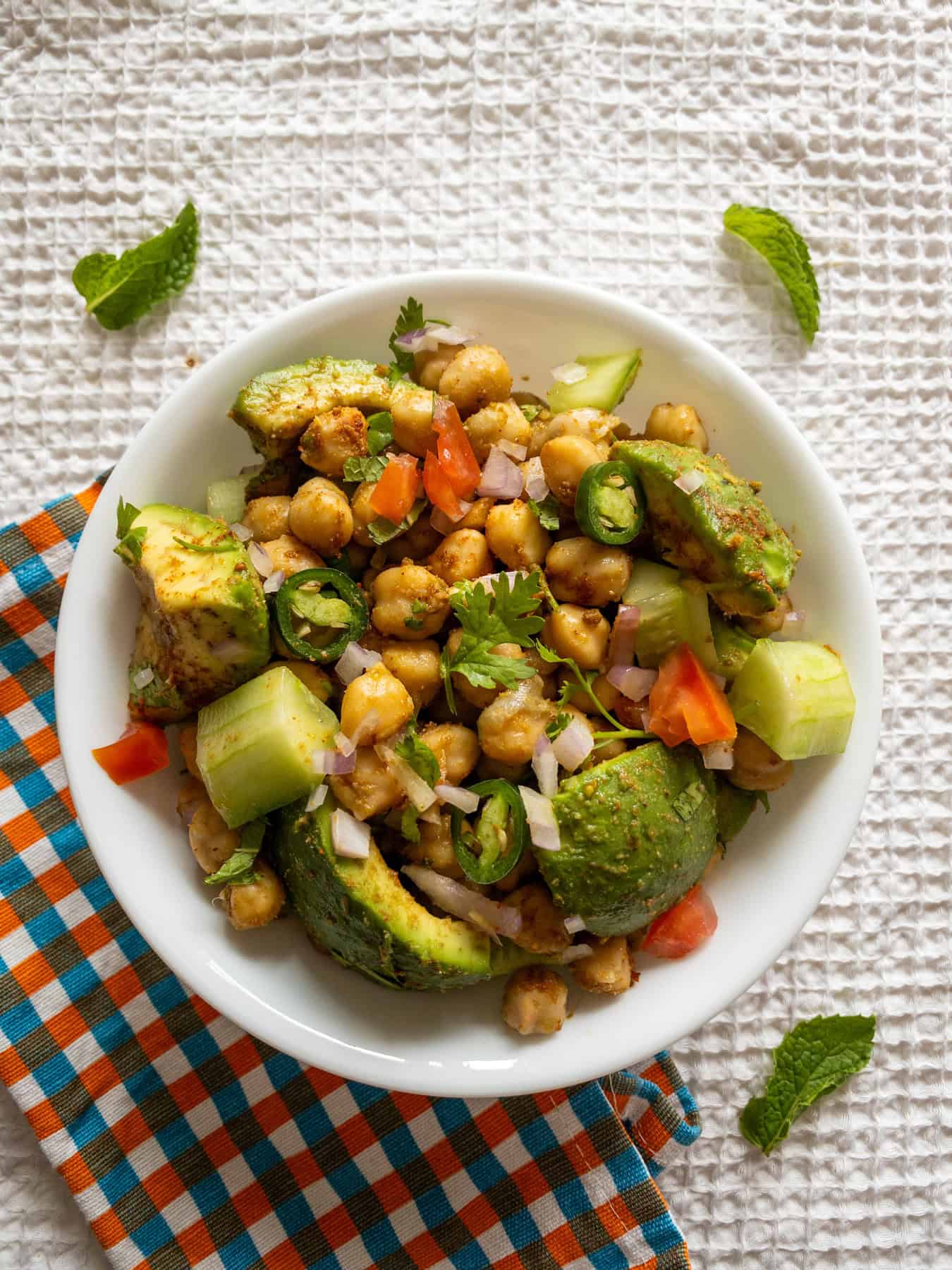
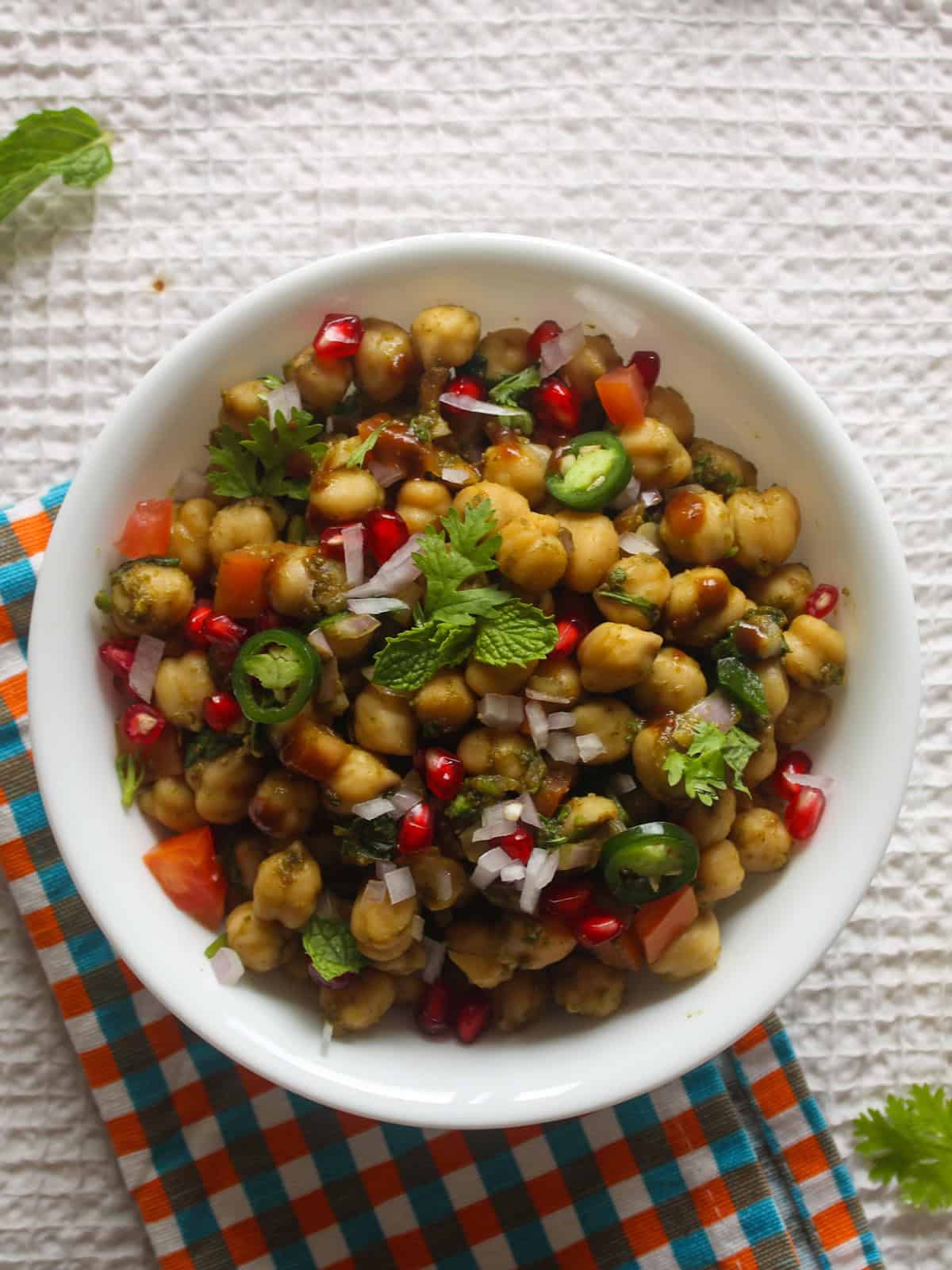
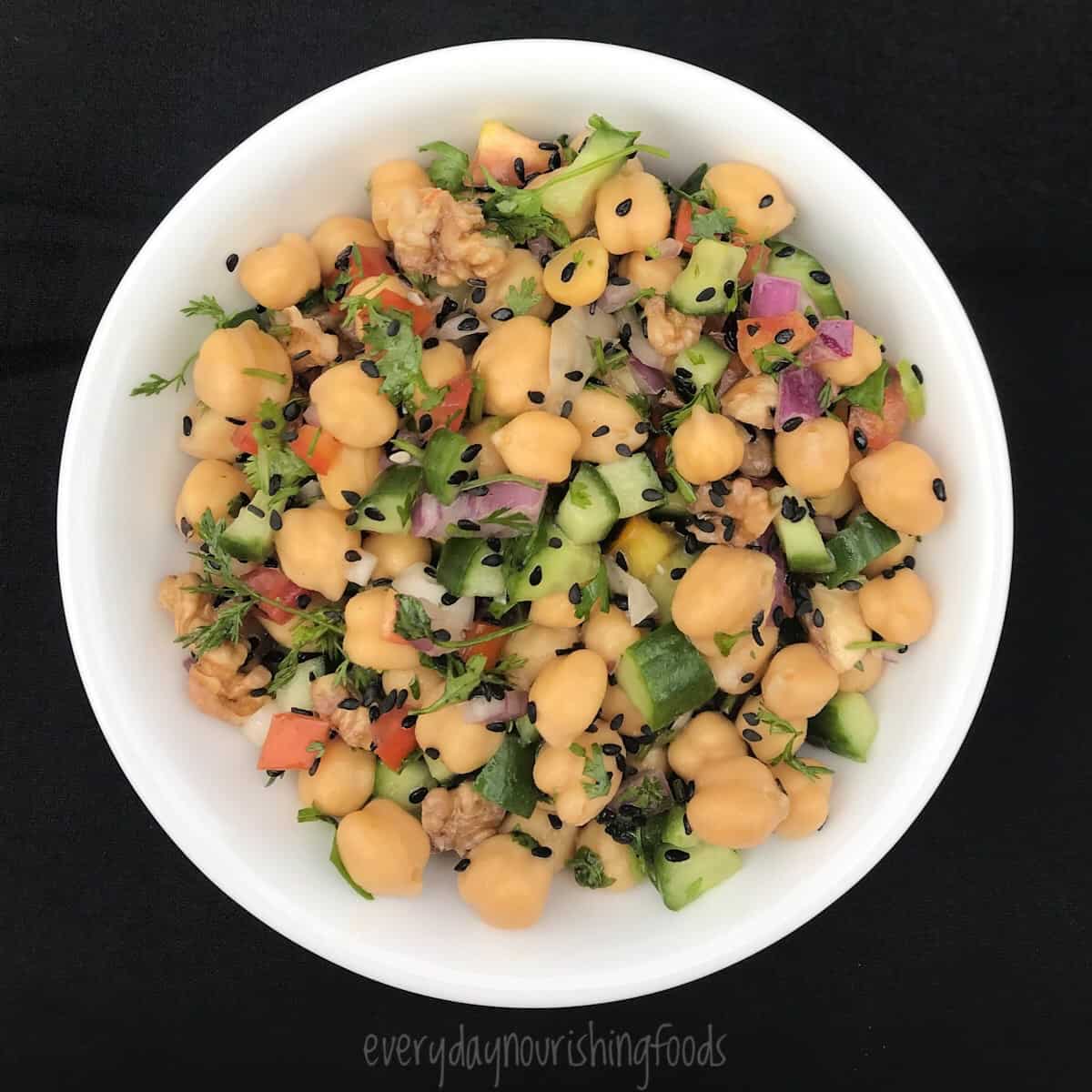
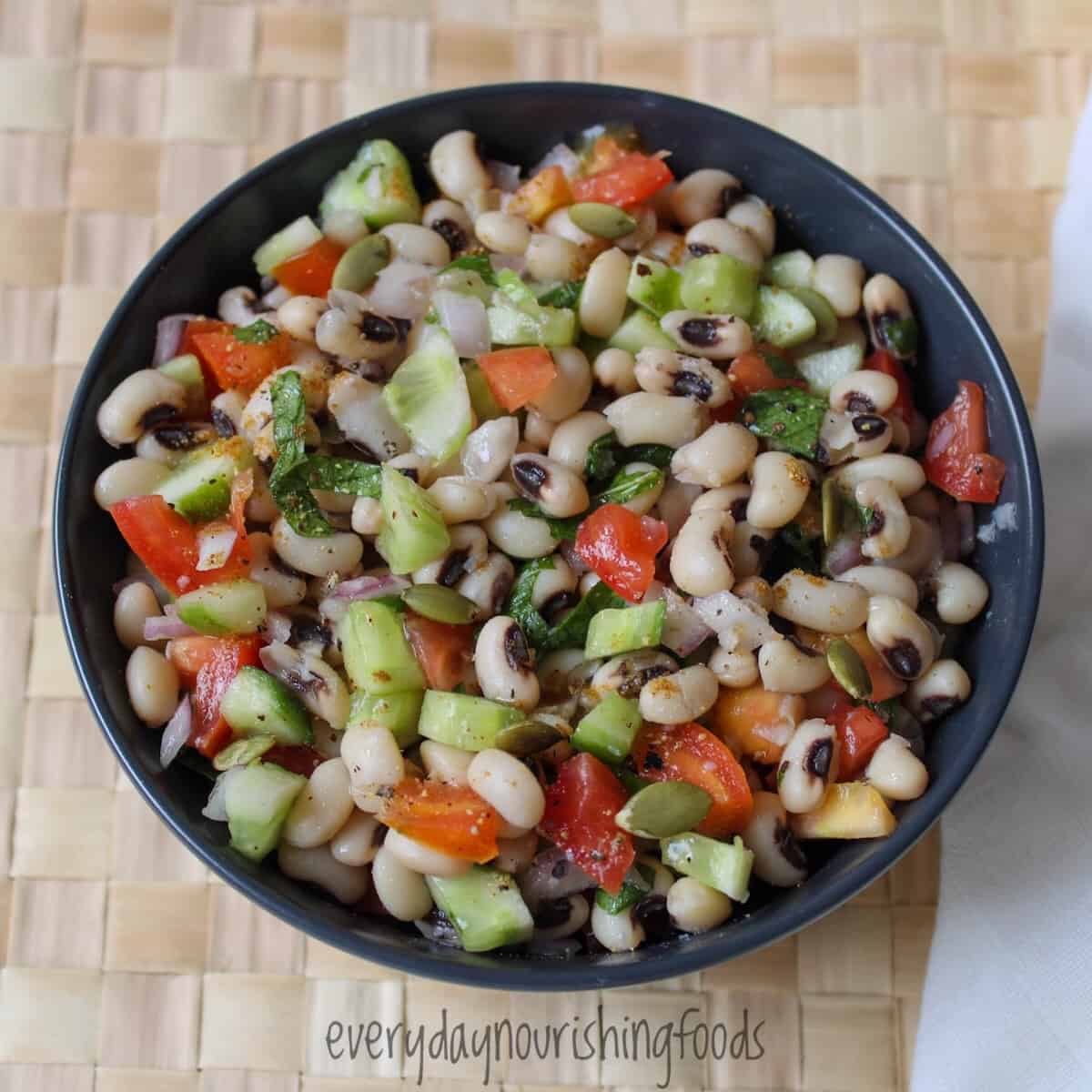
Legume and pulse-based salads are both filling and nourishing. I often pack these in lunchboxes or enjoy them as quick dinners when I want something light but satisfying.

Modern & Fusion Salads
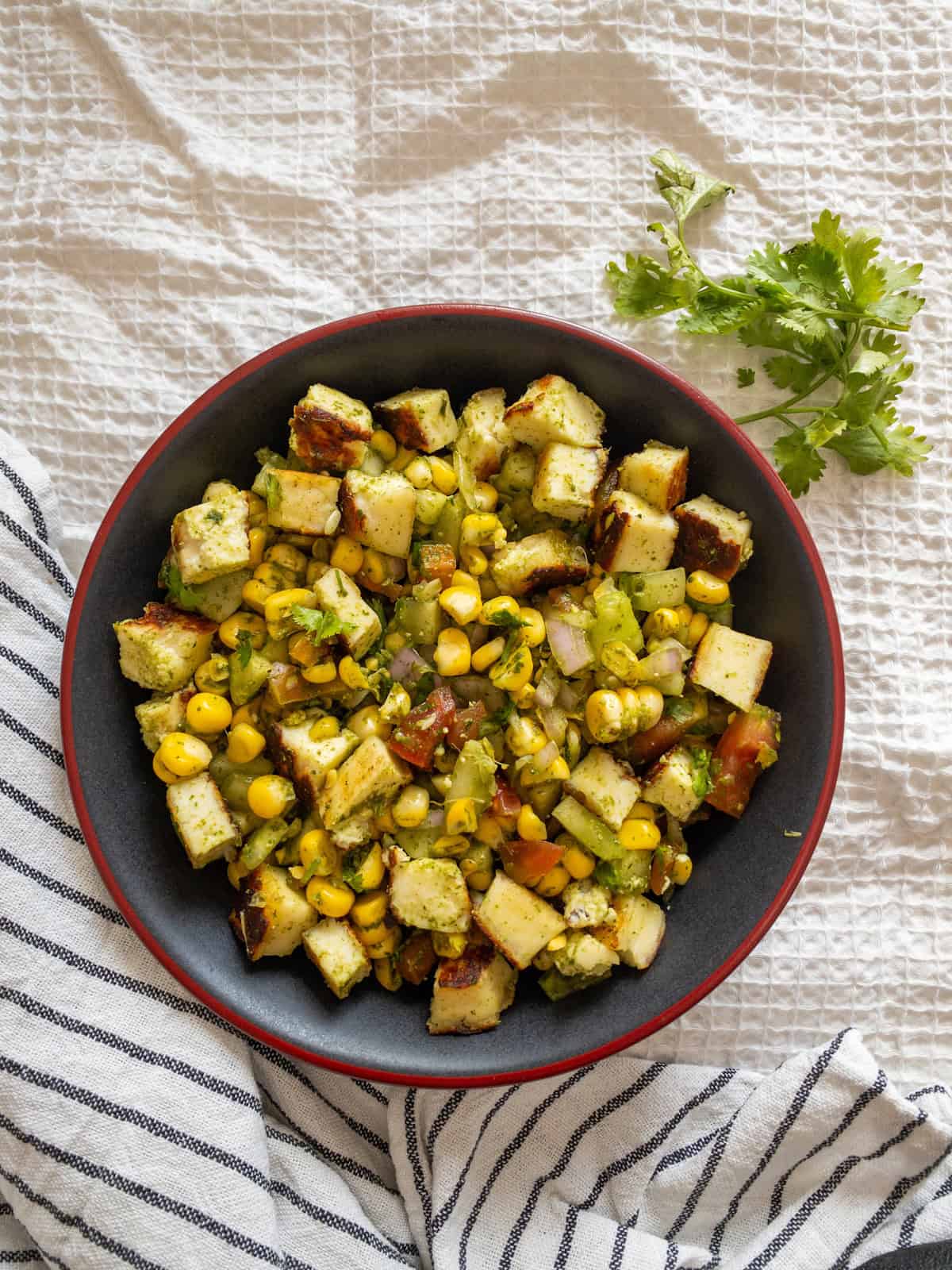
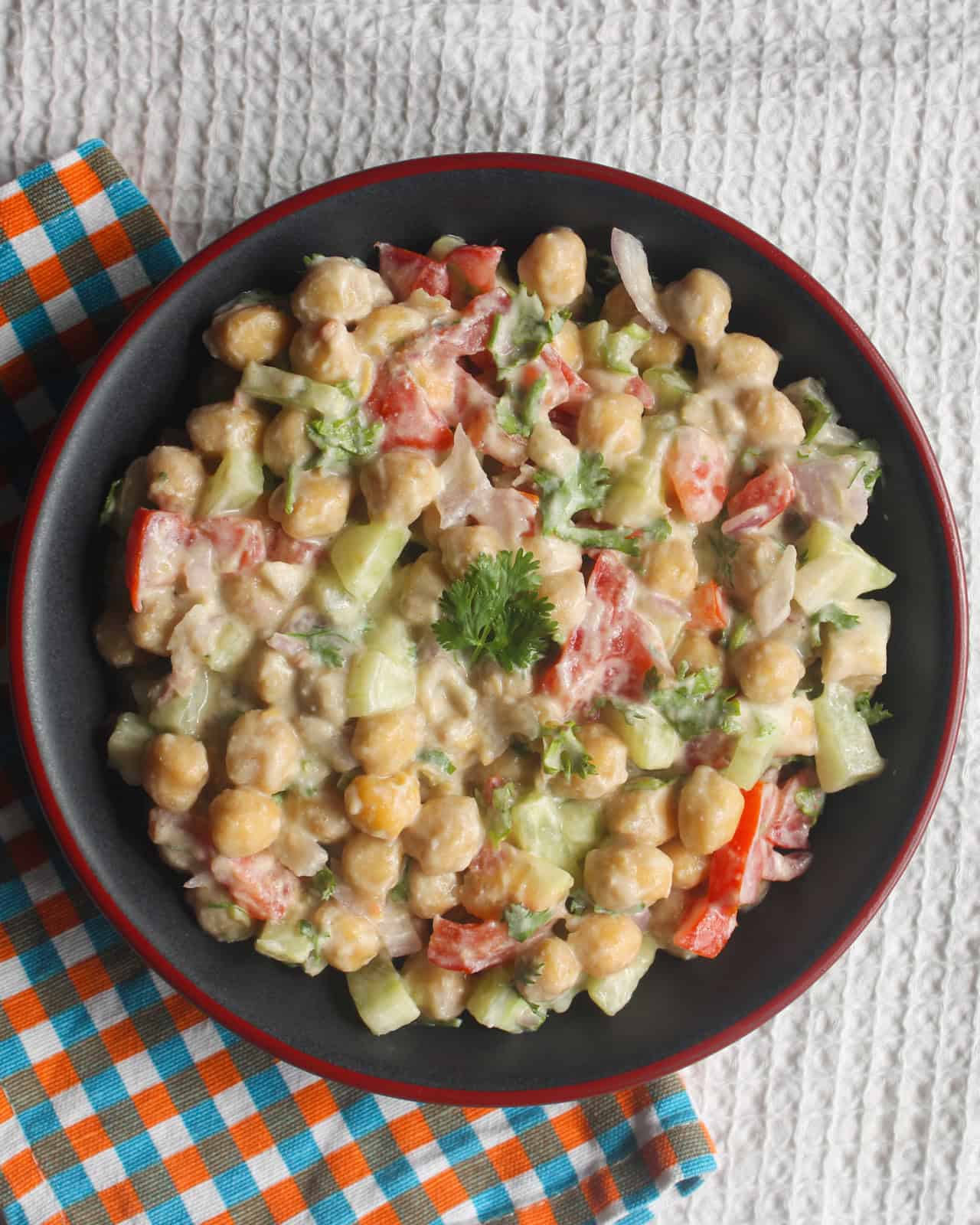
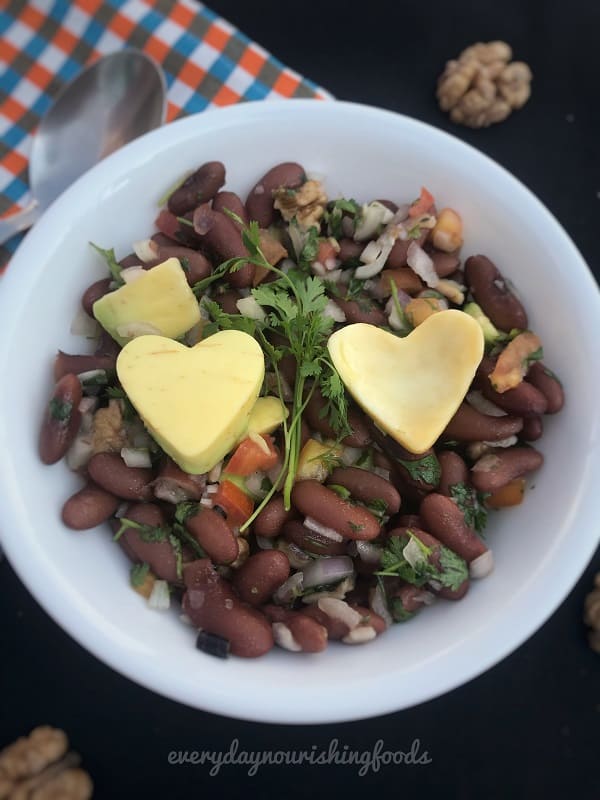
Indian flavors pair beautifully with global ingredients, and these salads are proof. They're great when you want something fresh but a little different.



Warm & Roasted Salads
Salads aren't just for summer. These roasted versions are hearty enough to enjoy on cooler evenings and bring a lovely depth of flavor.


Tested Tips from My Kitchen for Perfecting Indian Salads
Over the years, I've learned that the secret to a memorable Indian salad lies in the small details. Here are my go-to tips that always make a difference:
- Balance is Key. Every good Indian salad balances flavors, a squeeze of lemon for sourness, a green chili for heat, a pinch of salt, and sometimes a touch of sweetness from carrots or beets. When the balance is right, even a simple kachumber feels special.
- Don't Skimp on the Chaat Masala. This spice mix is my must-have for that chatpata (tangy-spicy) kick. A light sprinkle can turn plain cucumbers into an irresistible snack.
- Finely Chop Your Ingredients. Small, uniform pieces mean every spoonful has the perfect mix of textures and flavors. This is especially important for tomato onion salad or sprouted moong salad, where the freshness of each bite shines through.
- Add a Tadka. One of my favorite tricks is finishing a salad with a quick tadka. Heat oil, crackle mustard seeds, cumin, and curry leaves, then pour over sprouted beans or cucumber. It instantly elevates the dish.
Frequently Asked Questions About Indian Salads
Yes, but it depends on the recipe. Bean and grain salads like kala chana salad or millet salad keep well in the fridge for 1-2 days. Fresh vegetable salads, such as kachumber, are best made just before serving to maintain their crispness.
Kachumber, a tomato and onion salad, or cucumber peanut salad, is the most common everyday side served with dal, rice, and curries. For richer meals like biryani or pulao, I like pairing yogurt-based salads or sprouted bean salads to balance the flavors.
For me, Indian salads are proof that healthy food doesn't have to be plain. With just a few fresh vegetables, a sprinkle of spices, and a squeeze of lemon, you can create a side dish that makes any meal brighter.
I'd love for you to explore this Indian salad collection and try a few in your own kitchen. You might discover a new favorite that becomes a regular at your meals. And if you do, please tell me in the comments. I always enjoy hearing which recipes my readers make most often.
If you find my kitchen-tested tips helpful, click the button to see more of my recipes first when you search on Google!

Vani says
Lovely salads. Inspiring me to eat healthy ❤️
Sravanthi Chanda says
Thank you 🙂