
Ever wondered what is dal and why it's such a big part of Indian cooking? The comforting aroma of simmering Indian lentils, the crackle of spices in hot oil, and that first warm spoonful capture the heart of home-cooked Indian food. Dal isn't just a dish; it's a symbol of nourishment, simplicity, and comfort shared across every Indian kitchen.
In this ultimate guide to dal, you'll learn about the different types of dal, how to cook them perfectly, and discover my favorite dal recipes made using both the Instant Pot and traditional stovetop methods. Whether you're new to Indian lentils or looking to refine your everyday cooking, this post walks you through everything step-by-step.

Jump to:
What Is Dal?
In Indian cooking, dal refers to both the ingredient (split pulses such as lentils, peas, and beans) and the dish made from them. It's one of the main sources of vegetarian protein and fiber, making it an essential part of daily meals.
Each region in India has its own version, some thin and soupy, others thick and creamy. And they all share one thing in common: simplicity that transforms into comfort.
Tip: The same lentil can be used in many dishes. Simply by changing the tempering or consistency, you have a whole new recipe!
Different Types of Dal (Indian Lentils)
From creamy toor dal to quick-cooking moong dal, each variety brings its own texture, flavor, and story. Here are the most common types of dal you'll find in Indian kitchens and how to use them in your favorite recipes.
Toor Dal (Arhar Dal, Split Pigeon Peas)

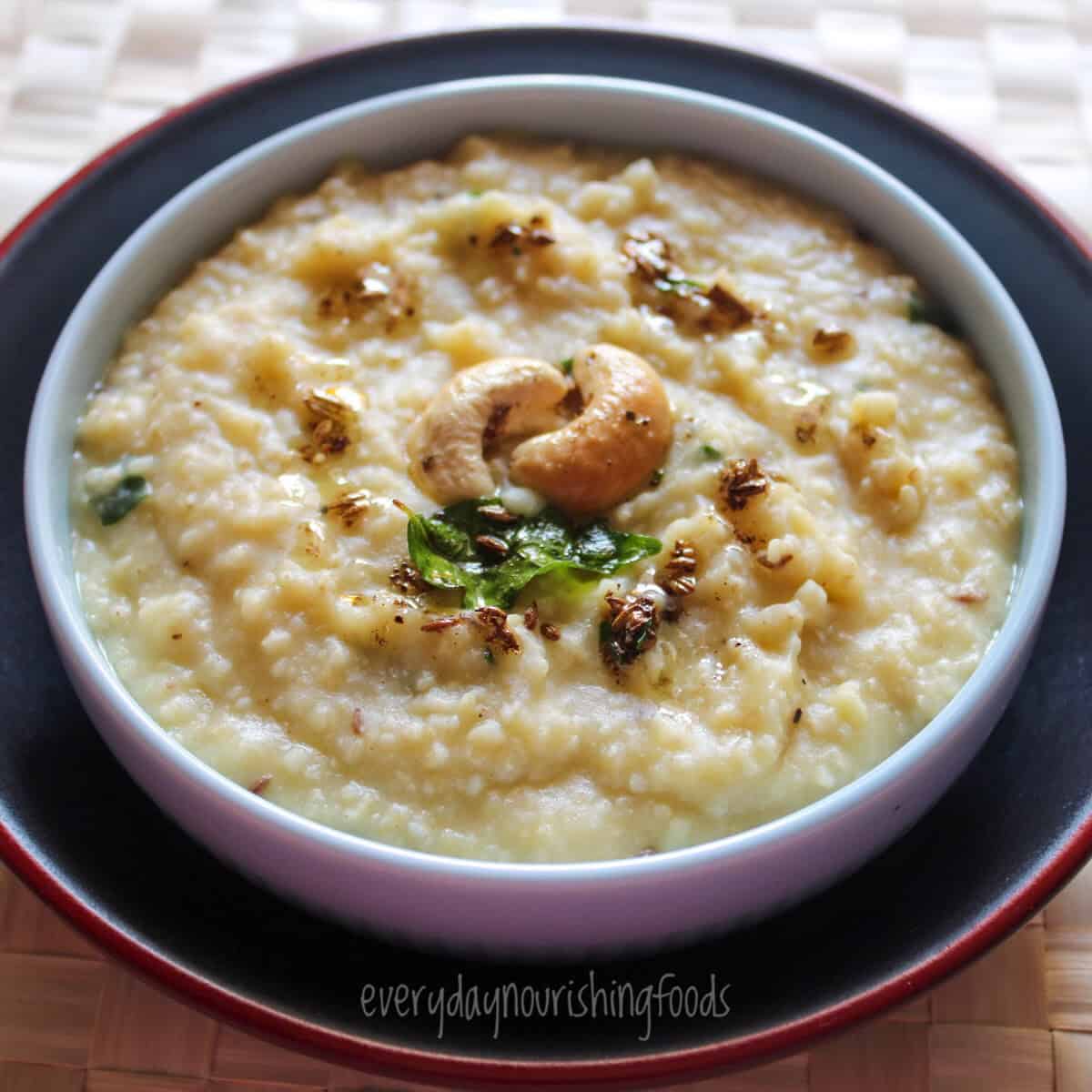
Soft, nutty, and comforting, this yellow split lentil is the heart of South Indian sambar and North Indian dal tadka. It cooks to a smooth, creamy texture that absorbs spices beautifully.
Try these: Simple toor dal, Bisi bele bath
Moong Dal (Split Mung Dal, Split Yellow Lentils)

Moong dal, or yellow split lentils, are tiny, yellow, and incredibly quick-cooking. They are light on the stomach and easy to digest, making them a popular choice for light, nourishing meals. When cooked, they become soft and almost creamy.
Try these: Simple moong dal, Kitchari
Masoor Dal (Red Lentils)

Masoor dal is a beautiful salmon-pink color, but it cooks down to a warm yellow. It's a quick-cooking lentil that turns very soft and creamy, making it perfect for thick, hearty curries and soups. Its earthy flavor pairs well with a variety of seasonings.
Try these: Simple masoor dal, masoor dal cheela
Brown Lentils (Whole Masoor Dal)

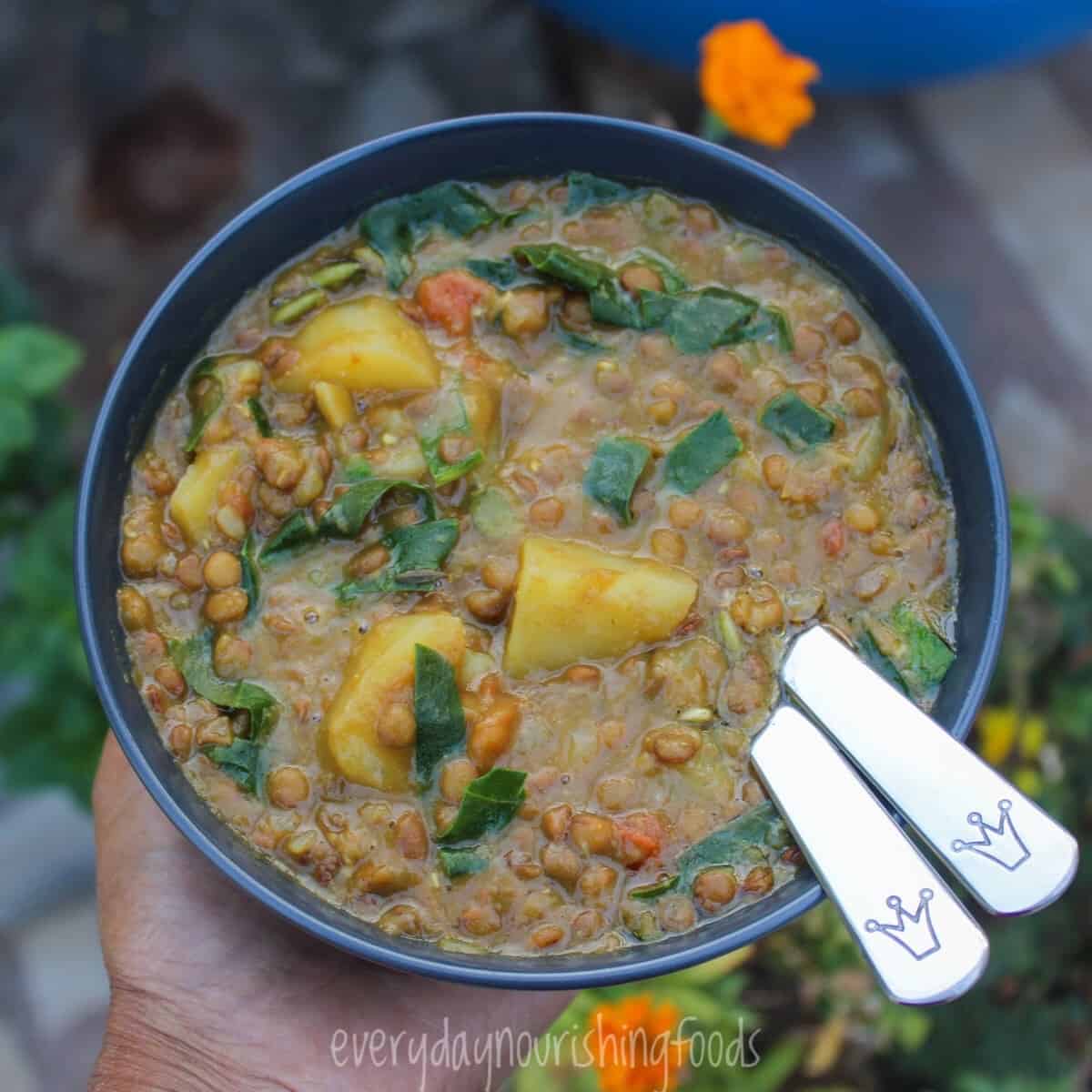
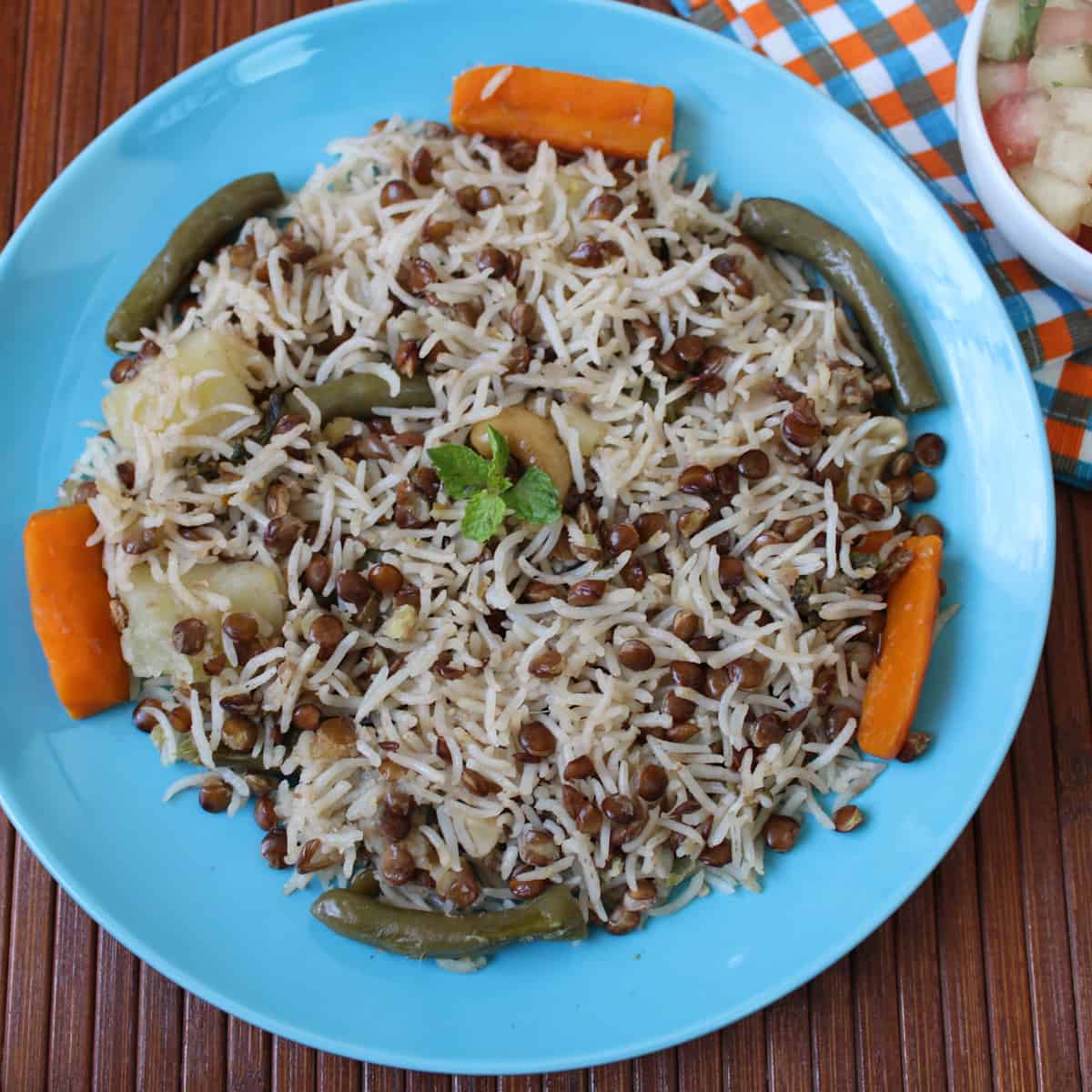
These earthy Indian lentils have a rich flavor and soft, creamy texture once cooked. Whole masoor dal holds its shape better than split red lentils, making it perfect for hearty dals, soups, and one-pot meals.
They're also perfect for one-pot dishes because they blend well with vegetables, grains, and spices, making them a great everyday choice when you want something wholesome and protein-rich.
Whole Green Mung Beans (Sabut Moong Dal)

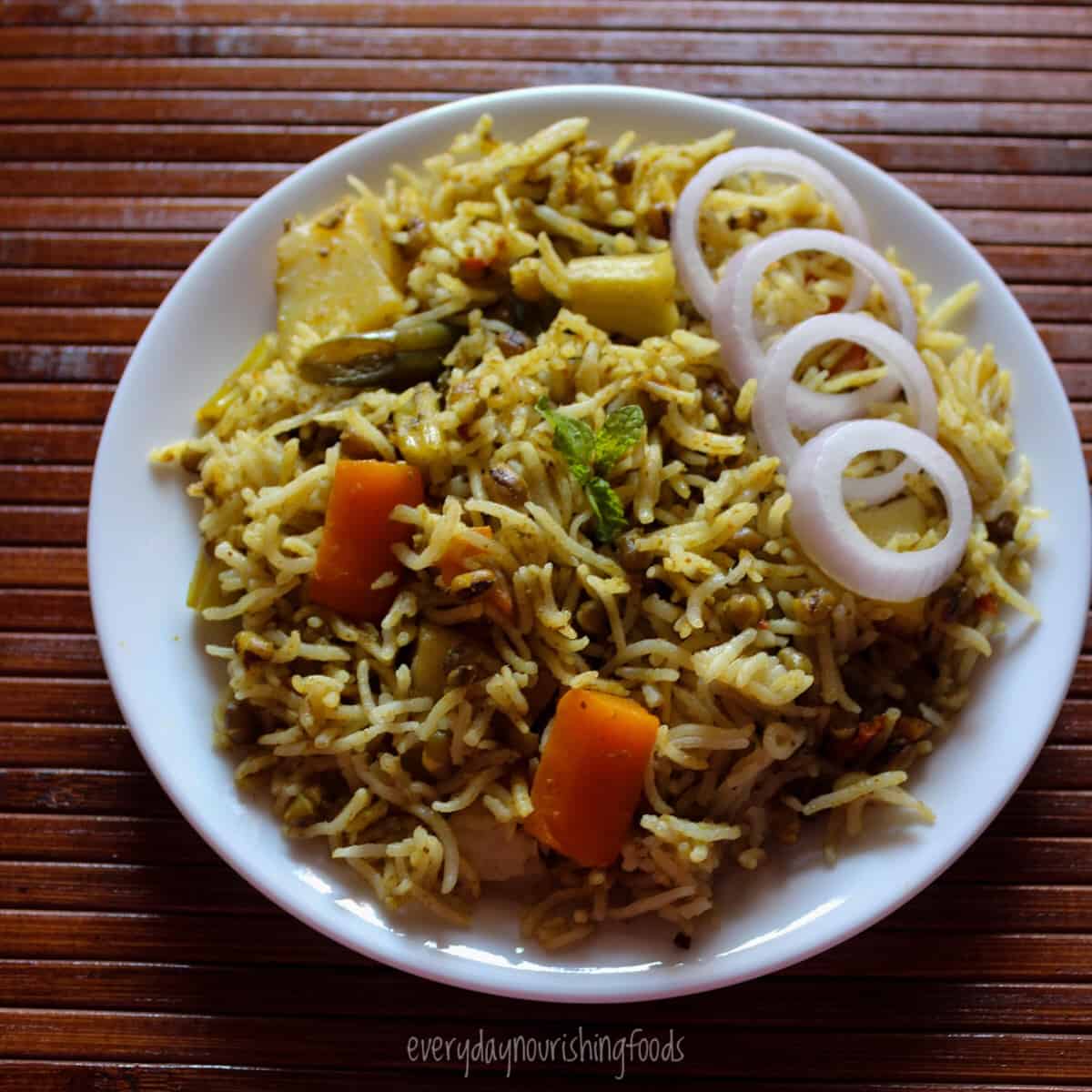
Unlike split yellow moong dal, whole green mung beans hold their shape when cooked, giving a pleasant bite and hearty texture. They're perfect for making sprouted salads, comforting dals, or wholesome one-pot meals like khichdi. I often soak them overnight for faster cooking and sometimes sprout them to add to salads and stir-fries.
Black Urad Dal (Whole Black Gram, Black Dal, Black Lentils)

This lentil is the same as white urad dal but with its skin intact, giving it a deep, earthy flavor and creamy texture when cooked. It's the key ingredient in Dal Makhani and tastes delicious on its own when simmered with ghee and simple spices. Soak it overnight for the best results.
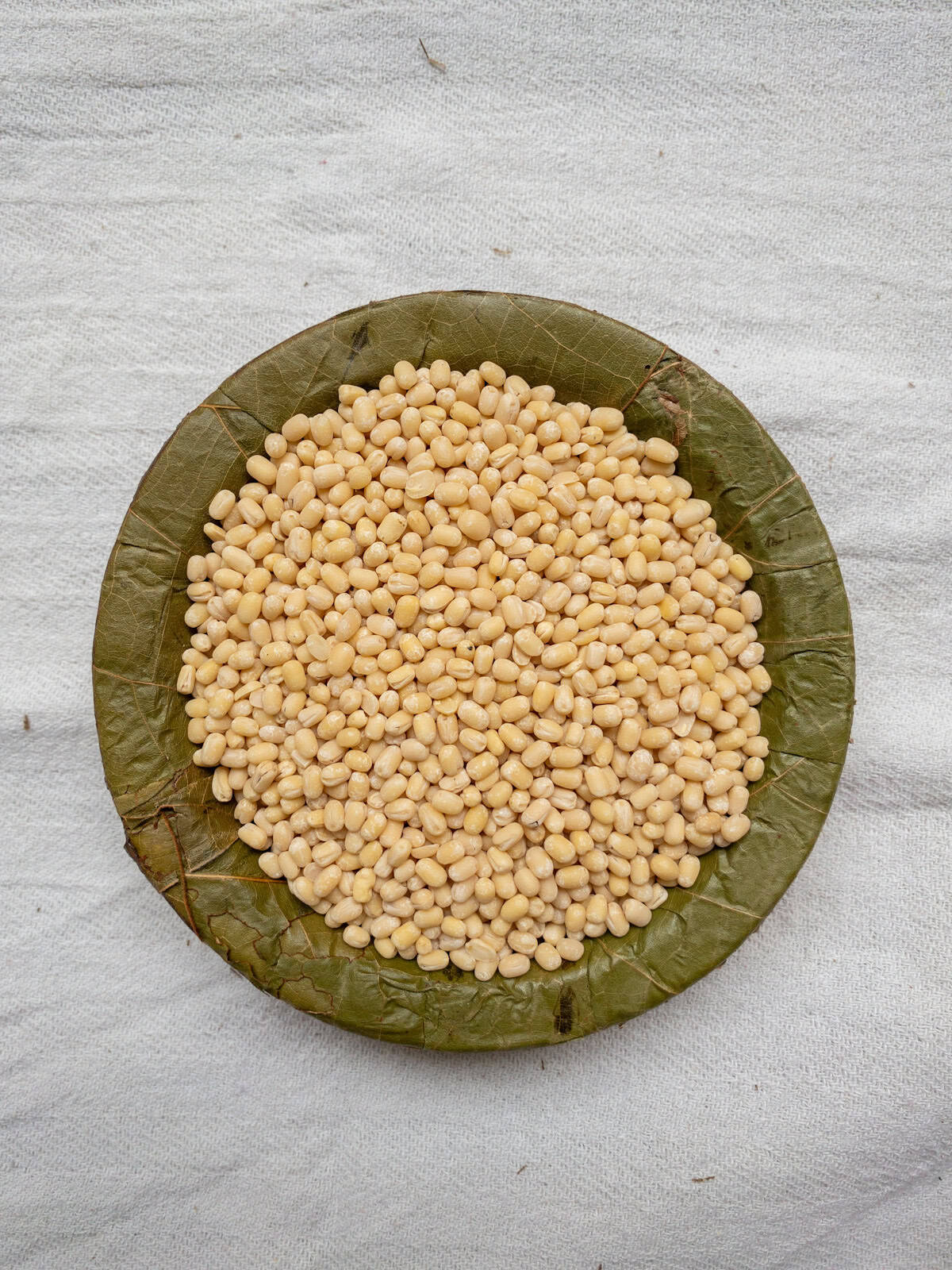
White Urad Dal (Split & Hulled Black Gram)
Want to Save This Recipe?
White urad dal is made by removing the black skin and splitting the whole urad beans. It's perfect for idli, dosa, and vada batter, and adds a rich, nutty texture when used in curries or mixed dals.
Chana Dal (Split Bengal Gram, Split Chickpeas)

Chana dal is made from split chickpeas. It has a mild, sweet, and nutty flavor with a firm texture that holds its shape even after cooking. This makes it perfect for thick curries, as it doesn't turn mushy.
Find the Perfect Dal Recipe for What You Have
With so many types of dal, it can be tricky to decide which one to cook today. To make it easier, I've built a simple interactive tool that helps you find recipes based on the Indian lentils already in your pantry.
Just choose the lentil you have from the dropdown below, and you'll instantly see all the dal recipes you can make, whether it's toor dal, moong dal, or a mix of them all.
Browse All Dal Recipes (A-Z)
Prefer to look through everything? Here's my complete lentil recipe library. Explore, cook, and enjoy your favorites anytime.


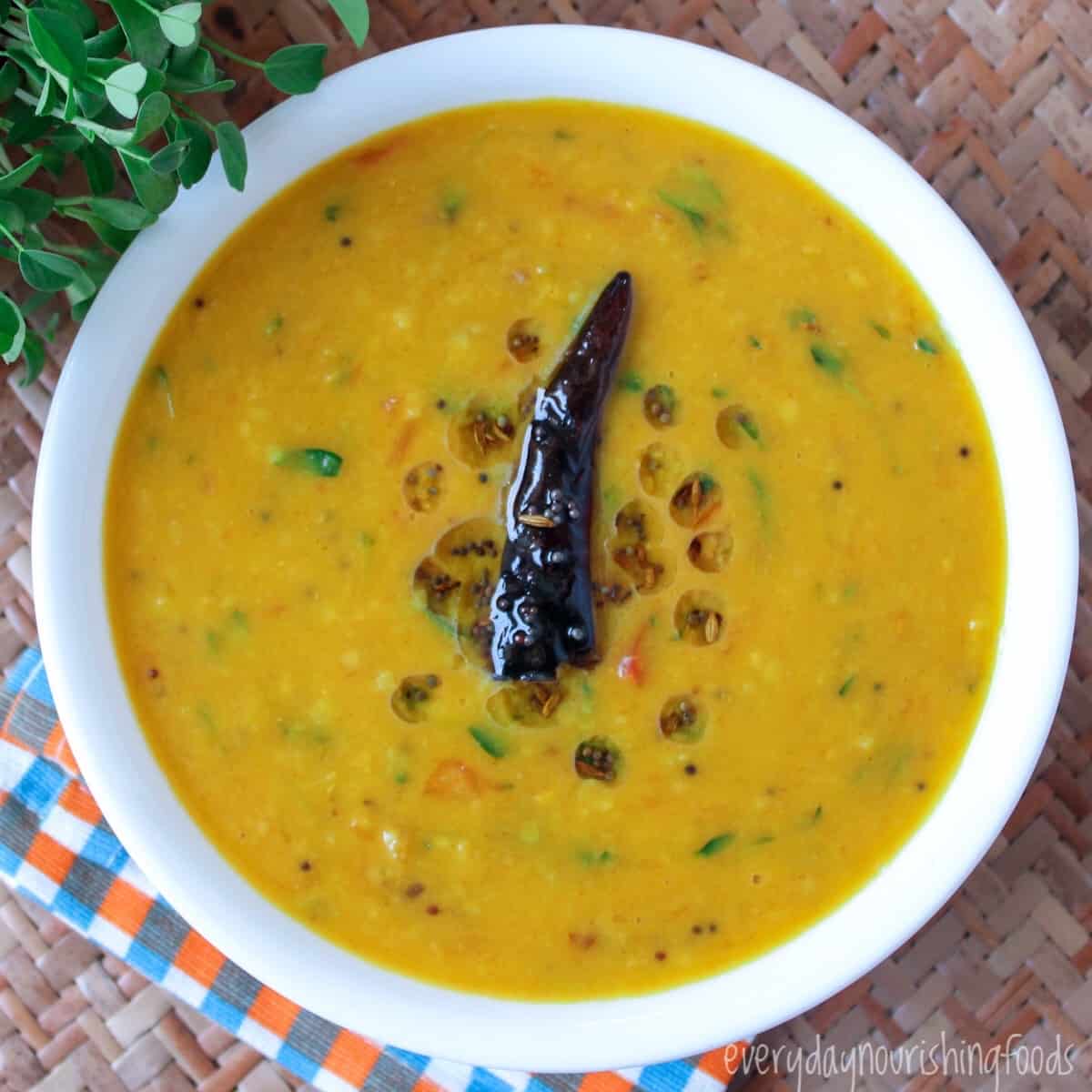
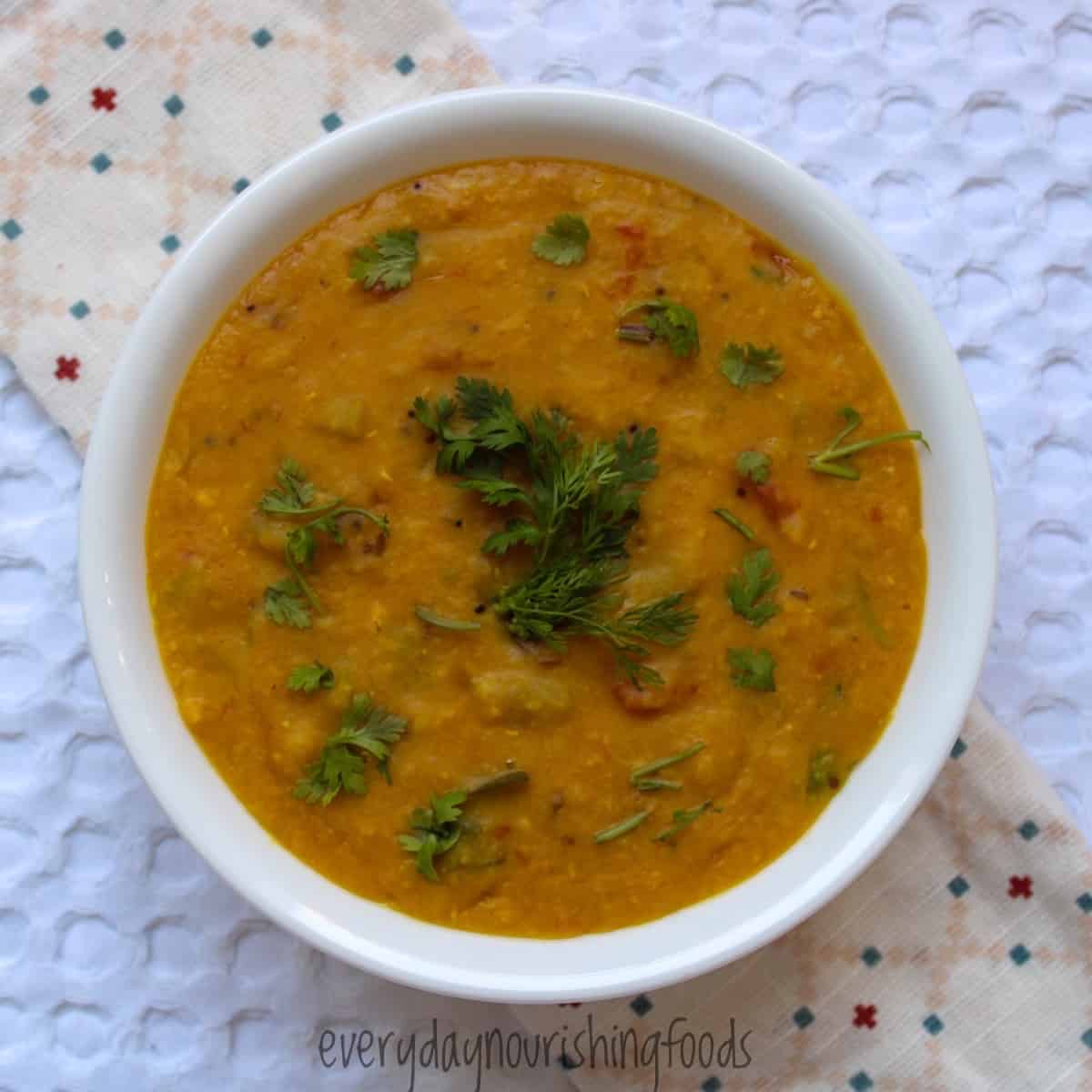
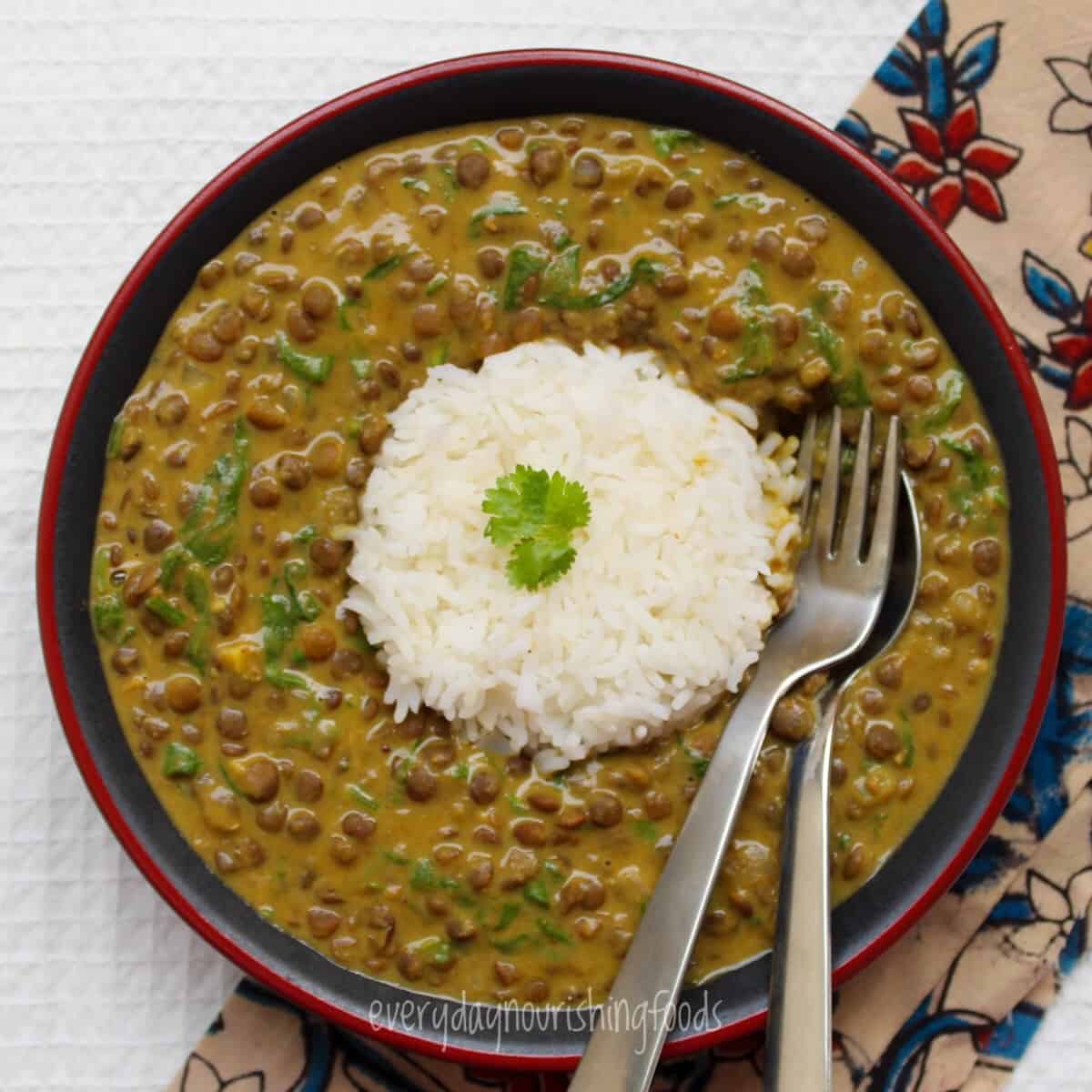
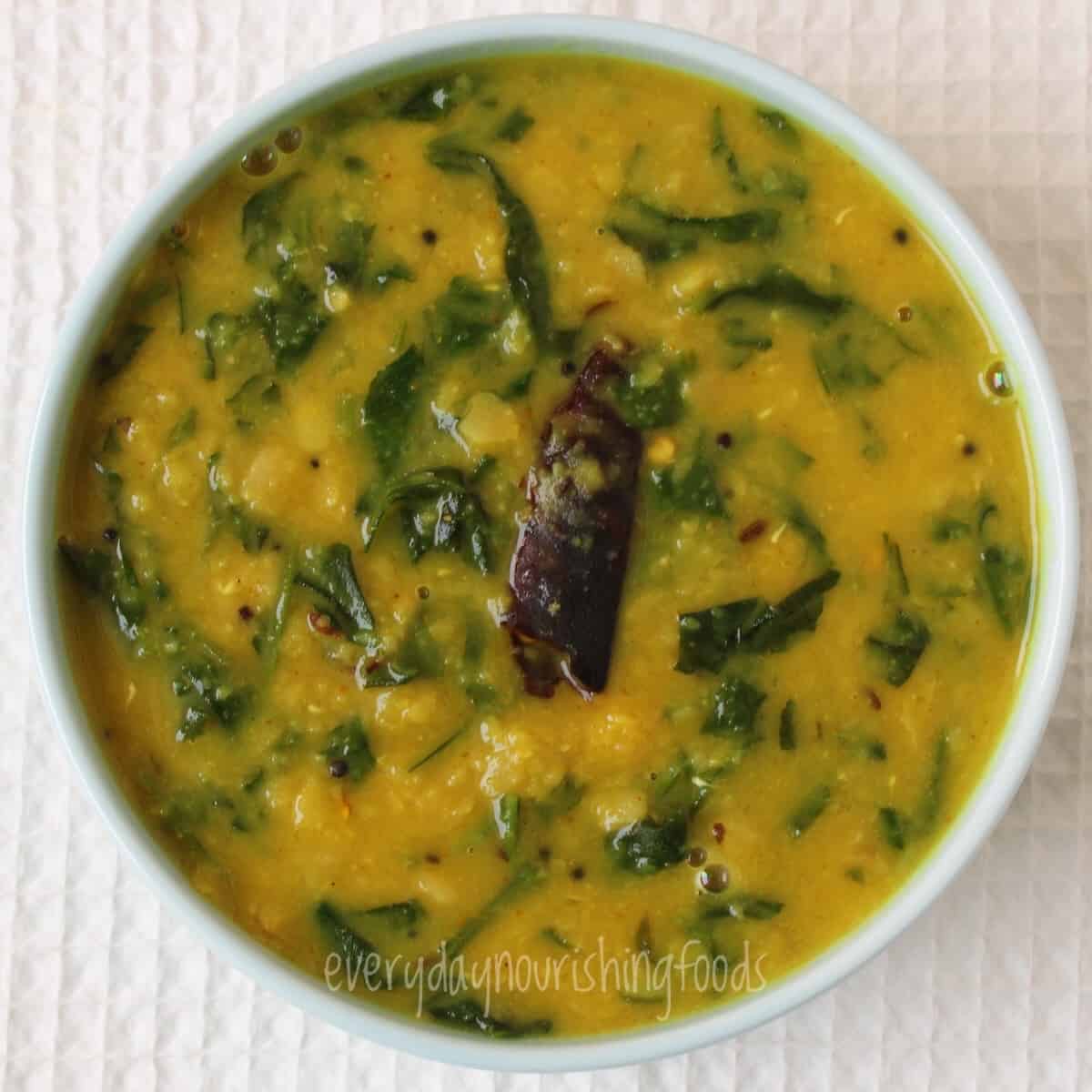
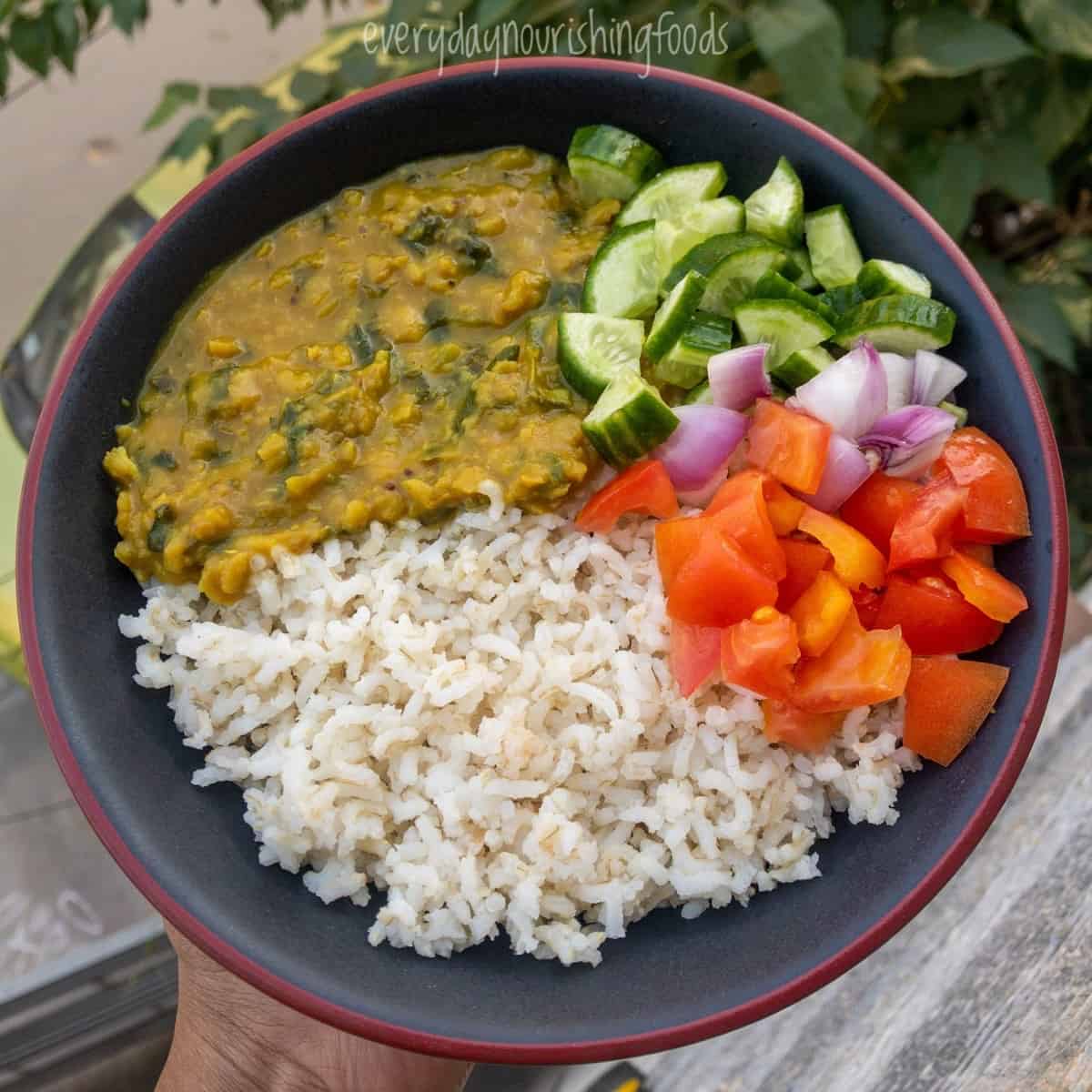

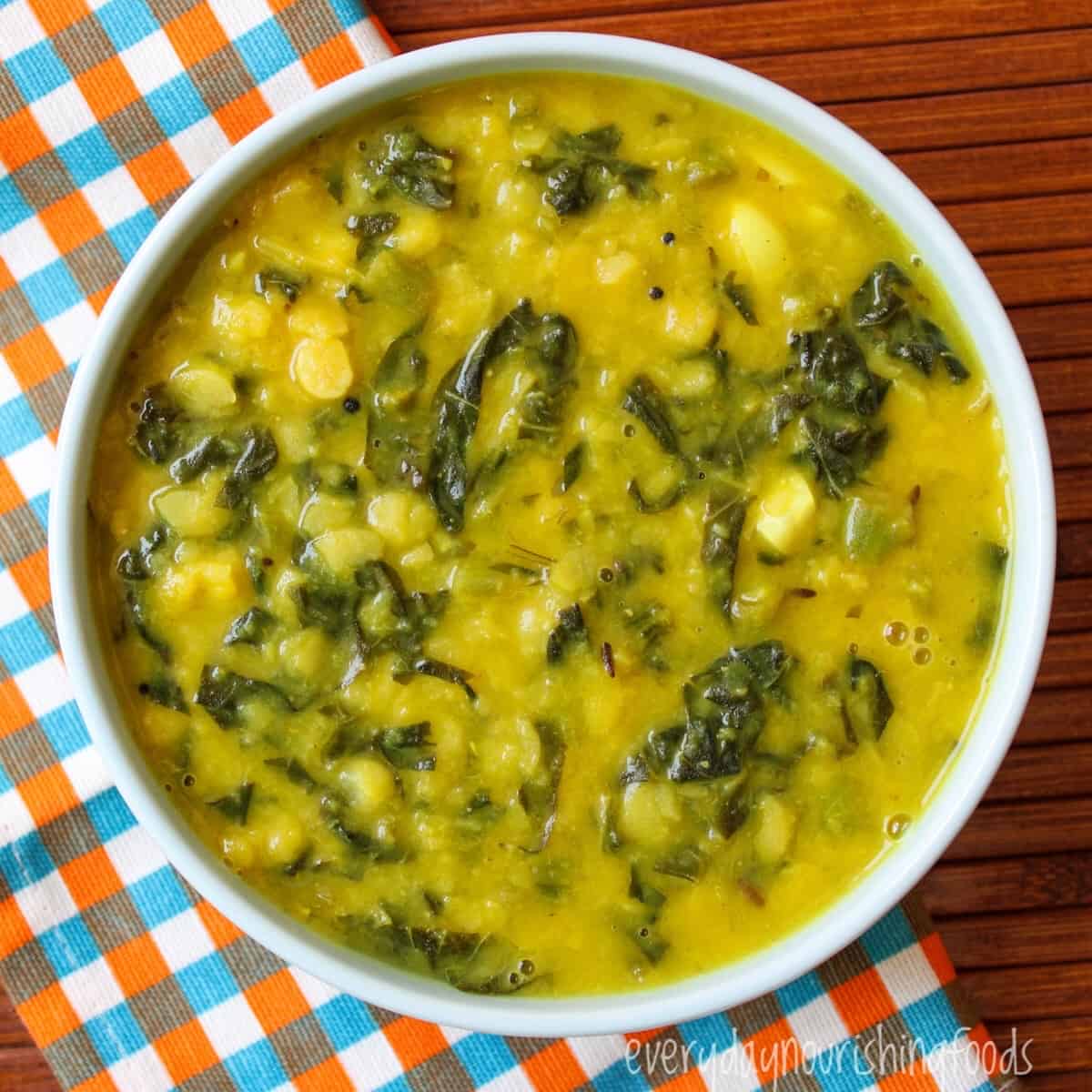

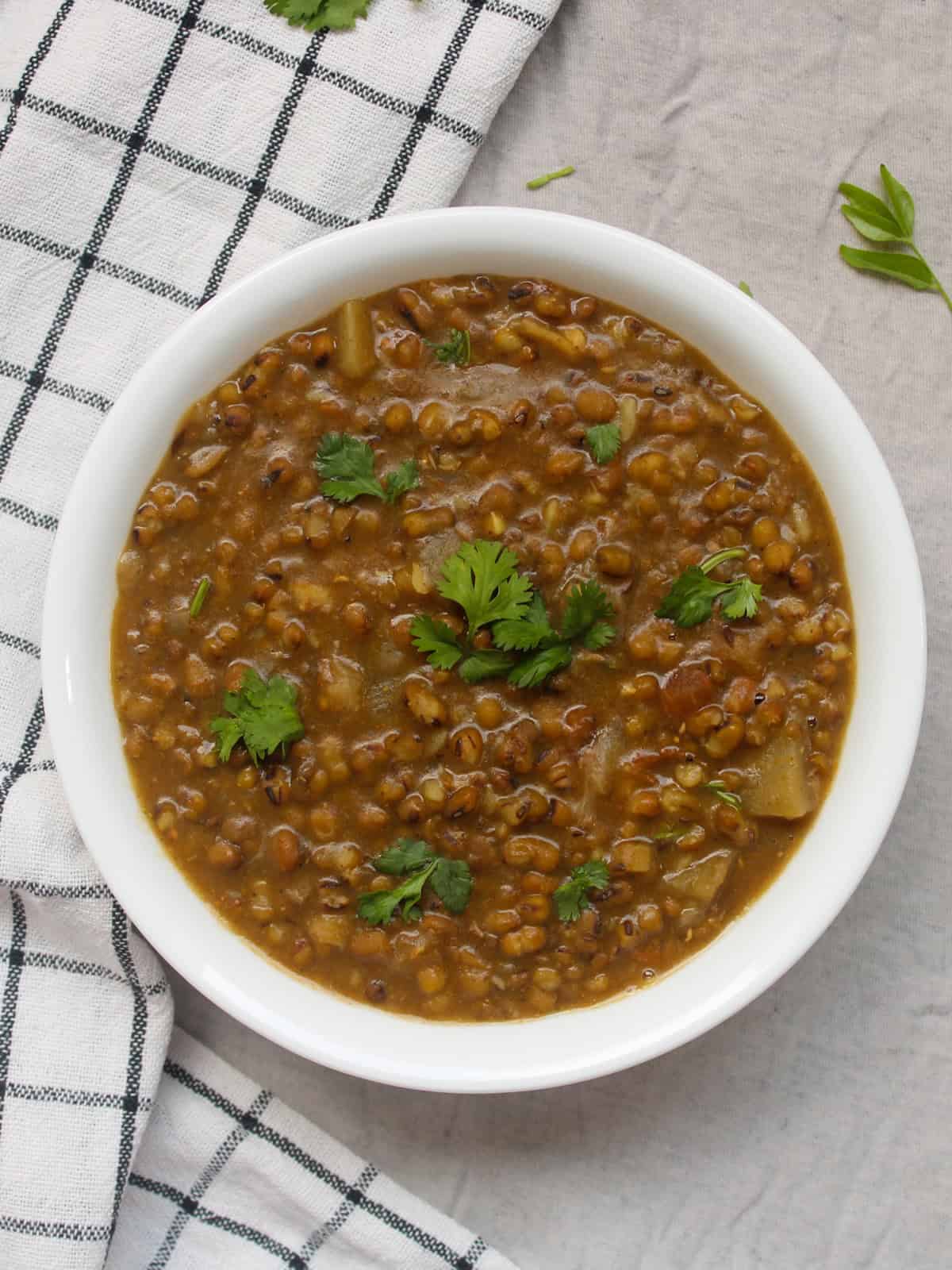




Essential Cooking Methods and Tested Tips for Perfect Dal
You can cook dal in many ways, but the key lies in timing and technique. I often use the Instant Pot for consistency and time savings. It cuts the cooking time in half and delivers perfectly soft dal every time. It's my go-to method for busy weeknights or meal prep.
👉 Check out my Instant Pot Dal Recipes Collection for detailed timings and water ratios.
But if you're cooking dal on the stovetop, here are a few tested tips from my kitchen to help you get the perfect texture every time:
- Add salt only after the dal softens. Adding it too early makes the lentils tough and delays cooking.
- Skip tangy ingredients in the beginning. Lemon juice, tomatoes, or tamarind can also slow down the softening process. Add them once the dal is fully cooked.
- Always rinse your dal well. Wash until the water runs clear to remove any dust or impurities.
- Soak the dal before cooking. Even 20-30 minutes of soaking helps the dal cook faster and evenly.
If you prefer the stovetop method, simmer the dal gently and stir occasionally to prevent sticking. Once soft, finish it with your favorite tadka (tempering), that's where the flavor magic happens!
Your Dal Journey Starts Here
Whether you're new to Indian cooking or already make dal often, this comforting dish is a journey worth taking. It proves how simple ingredients, when cooked with care, can turn into a meal that feels both nourishing and soulful.
I hope this guide inspires you to explore more dal recipes from my kitchen and discover a new favorite. Which dal do you cook most often? Share it in the comments, I'd love to know! Be sure to check out my post, Essential Dal Recipes for Chapati, Naan & Paratha, where I share a carefully curated list of dals that elevate your flat-bread meals.
If you find my kitchen-tested tips helpful, click the button to see more of my recipes first when you search on Google!
Leave a Reply