
New to cooking basmati rice? Or just tired of ending up with sticky, overcooked grains? You're in the right place. With its long, slender grains and rich aroma, basmati rice is a staple in many Indian homes, including mine. However, achieving that perfect, fluffy texture every time requires a bit of know-how.
In this guide, I've compiled everything I've learned from years of cooking with basmati rice, how to select the right kind, prepare it using various methods, and transform it into easy, everyday meals. If you're just starting or looking to try something new, this post will help you master basmati rice with confidence.

Jump to:
The Basics of Basmati Rice
Basmati rice isn't just another type of rice; it's a kitchen staple known for its aroma, elegance, and versatility. Understanding what makes it special is the first step to cooking it right and using it confidently in your everyday meals.
What is Basmati Rice?
Basmati is a long-grain rice known for its nutty flavor, floral aroma, and delicate texture. The name "basmati" originates from Sanskrit and means "fragrant," a fitting name for rice that fills the kitchen with its distinctive aroma while cooking.
What sets basmati apart is a natural compound called 2-acetyl-1-pyrroline, which gives it its characteristic aroma, often likened to that of popcorn. When cooked properly, each grain remains long, separate, and fluffy, never sticky or mushy. That's why basmati is the go-to choice for dishes like pulao, biryani, and other rice-based mains where texture matters.

How to Choose the Best Basmati Rice
For flavorful, non-sticky rice, it all starts with selecting the right variety. Aged basmati rice is what I always look for; it's dried for months or even years, which deepens the aroma and helps the grains cook up fluffy and long.
Check the label for "aged basmati" and stick to trusted brands for consistency. Some packets may label their product as "basmati-style" or "aromatic long grain," but these aren't true basmati and typically don't yield the same results. Once you find a brand that works for you, stick with it. I've found that consistency makes a big difference.
Basmati vs. Other Rices
Basmati is often grouped with other long-grain rices, but it's pretty unique. Compared to jasmine rice, which has a softer texture and more floral scent, basmati is firmer and less sticky. Plain long-grain white rice doesn't have much aroma and tends to clump more when cooked.
What makes basmati stand out is how each grain remains separate after cooking. That's exactly what you want for dishes like vegetable pulao, lemon rice, or even simple steamed rice served with dal or curry.
Essential Preparation & Cooking Techniques
Fluffy, separate grains of basmati rice aren't just about cooking time; it starts with how you prepare the rice and what method you use. With a few simple steps and the proper water ratio, you can get perfect results every time.
The Art of Rinsing and Soaking
If there's one thing I never skip before cooking basmati rice, it's rinsing and soaking.
Rinsing the rice helps wash away the extra starch. This small step prevents the grains from clumping and helps them stay light and fluffy.
Soaking, even for just 15 to 20 minutes, gives the grains a head start. It allows the rice to absorb water evenly, helping the grains cook to their full length without breaking. I have detailed steps on how to rinse and soak basmati rice; please take a look.

💡 Not sure how much water to use? Try my Basmati Rice Water Ratio Calculator to obtain accurate measurements tailored to your cooking method and preferred rice texture.
Mastering the Cooking Process
Once the rice is prepared, the next step is to choose how to cook it. I've used all methods over the years, and each has its own advantages, and you can use what fits your routine.
Stovetop Method
This classic method gives you full control. I use a heavy-bottomed pot and cook the rice on low heat with the lid closed. It's a great choice when cooking smaller batches or when layering flavors with whole spices.
Stovetop Basmati Rice

Rice Cooker Method
Perfect for busy mornings or meal prep days. It's hands-free and reliable; simply rinse, soak, and let the machine do the rest. The rice comes out soft, fluffy, and consistent.
Rice Cooker Basmati Rice

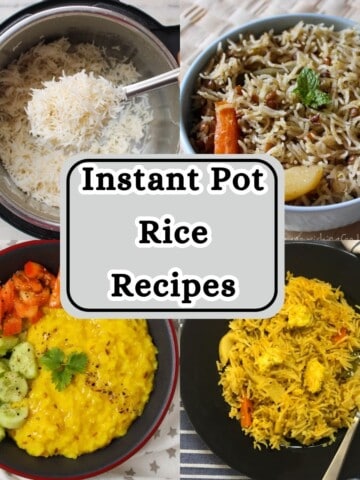
Instant Pot Method
This is my favorite for weeknights. It's quick, efficient, and gives me perfectly cooked rice in minutes. You can even adjust the texture by choosing the correct water ratio with the help of my calculator.
Instant Pot Basmati Rice
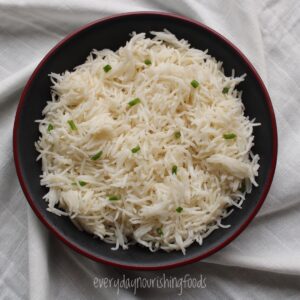
Pasta-Style Method
For some dishes, especially when I want the rice to be extra fluffy and separate, I use the pasta method. It's simple, just boil basmati rice in plenty of water, drain it like pasta, and let it rest. This method works great if you're in a hurry, new to cooking rice, or cooking for a large group.
Boiling Rice Like Pasta

Want to Save This Recipe?
Common Cooking Problems and Solutions
Even with practice, basmati rice can be unpredictable. Here are the most common issues I've faced and how I fix them.
- Mushy or sticky rice? This usually means there was too much water or not enough rinsing. Rinse thoroughly and check your water ratio next time.
- Dry or undercooked rice? Either there is not enough water or the lid is lifted too early. Keep the lid shut and use a tight-fitting one.
- Burnt bottom? That's often due to using high heat or a thin-bottomed pot. Use a thick pan and keep the flame low once it starts to simmer.
For detailed fixes and adjustments, check my guide on how to fix mushy or undercooked basmati rice.
Once you find what works in your kitchen, your favorite brand, water ratio, and method, you'll get consistent results every single time. It's a simple grain, but a little care goes a long way.
Basmati Rice Recipes
Basmati rice is one of the most versatile ingredients in my pantry. It takes on flavors beautifully while still holding its shape, making it perfect for everyday meals, one-pot wonders, fried rice, and even desserts.
Here are some of my favorite basmati rice recipes.
Indian Spinach Rice

Vegetable Paneer Pulao

Indian Lemon Rice

Indian Curd Rice

Instant Pot Vegetable Pulao
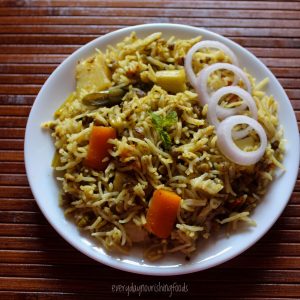
Instant Pot Lentil Pulao
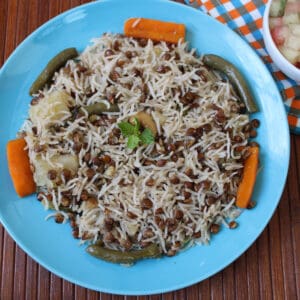
Black Beans Rice

Kidney Beans and Rice

Sprouts Tomato Pulao
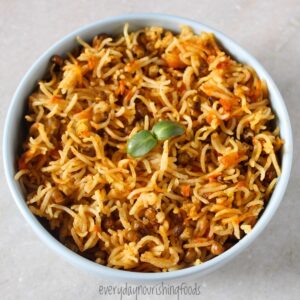
Restaurant Style Indian Rice
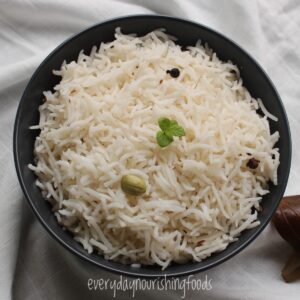
Basmati and Lentil Khichdi
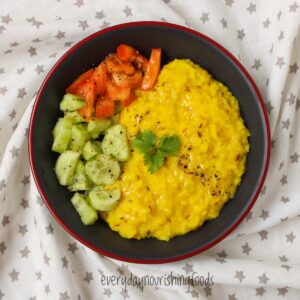
Chickpeas and Rice Pilaf
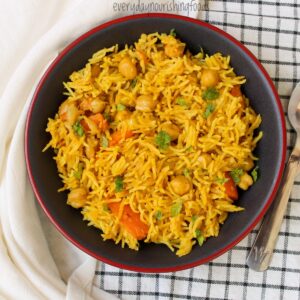
Instant Pot Potato Pulao

Instant Pot Bisi Bele Bath

Savory Coconut Milk Rice

Indian Fried Rice
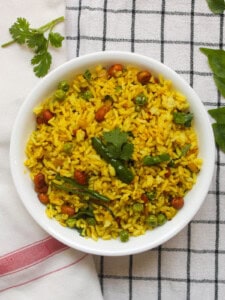
Using Leftover Basmati Rice Wisely
One of my favorite things about basmati rice is how well it retains its texture the next day. While freshly cooked rice is soft and delicate, chilled basmati becomes firm and fluffy, making it perfect for quick stir-fries, rice bowls, and so much more.
Why Leftover Rice is a Secret Weapon
Day-old basmati rice has just the right texture for transforming into new meals. Here's why I always save my extra rice:
- Perfect for stir-fries - The grains are dry and separate, so they don't stick together when tossed in a pan. This is the key to getting that slightly crisp, flavorful finish in fried rice recipes.
- Saves time - With the rice already cooked, you can put together a delicious meal in just a few minutes, making it great for busy mornings or weeknight dinners.
- Reduces waste - Leftover rice is too good to throw out. With a bit of creativity, you can turn it into something new and tasty while saving food and money.
If you're looking for inspiration, here are some ways to use leftover basmati rice in your kitchen.
If you're looking for inspiration, here are some ways to use leftover basmati rice in your kitchen.
Safe Handling and Storage
To keep leftover rice both safe and tasty, it's important to store it properly. Cooked rice can grow bacteria if left out too long, so here's how I handle it:
- Cool quickly - As soon as it's done cooking, spread the rice in a shallow bowl or tray so it cools down fast.
- Refrigerate immediately - Transfer it to an airtight container and store it in the fridge within one hour.
- Use within a day or two - I usually finish mine within 1-2 days for the best taste and safety.
- Reheat well - Always reheat leftover rice until it's steaming hot all the way through.
With a few simple steps, your leftover rice becomes a reliable base for quick meals with no waste and no stress.
Mastering basmati rice isn't just about following a recipe; it's about getting to know the grain and how it behaves in your kitchen. Once you understand how to choose, rinse, soak, and cook it right, you'll start seeing consistent, fluffy results every time.
This guide is here whenever you need it, whether you're trying a new cooking method, looking for recipe inspiration, or figuring out what to do with leftover rice. From simple sides to one-pot meals, the possibilities with basmati are endless.
So bookmark this page, explore the recipes, and let your everyday meals shine with the subtle aroma and elegance of perfectly cooked basmati rice.
What to Serve with Basmati Rice
Looking for flavorful recipes to pair with your rice? These collections offer easy, wholesome dishes that go beautifully with plain or spiced basmati rice:
- Spinach Recipes - Saag, palak tofu, spinach dal, and more to serve over rice.
- Chickpea Recipes - From curries to spreads, these are perfect rice pairings.
- Zucchini Recipes - Quick stir-fries and comforting curries that go well with rice.
- Millet Recipes - Want to try an alternative grain? Start here.
If you find my kitchen-tested tips helpful, click the button to see more of my recipes first when you search on Google!

Leave a Reply