
Beans, lentils, millets, and vegetables are part of my everyday Indian cooking. I use them in curries, dals, one-pot meals, soups, salads, and simple vegetable sides.
The difficult part is usually not finding one recipe. It is knowing how to combine these ingredients into a practical meal without cooking too many separate dishes.
This collection of high-fiber Indian vegetarian recipes will help you do that. Along with individual recipes, you will find complete meal combinations, light lunch ideas, one-pot meals, and different ways to use the same batch of cooked beans or lentils.
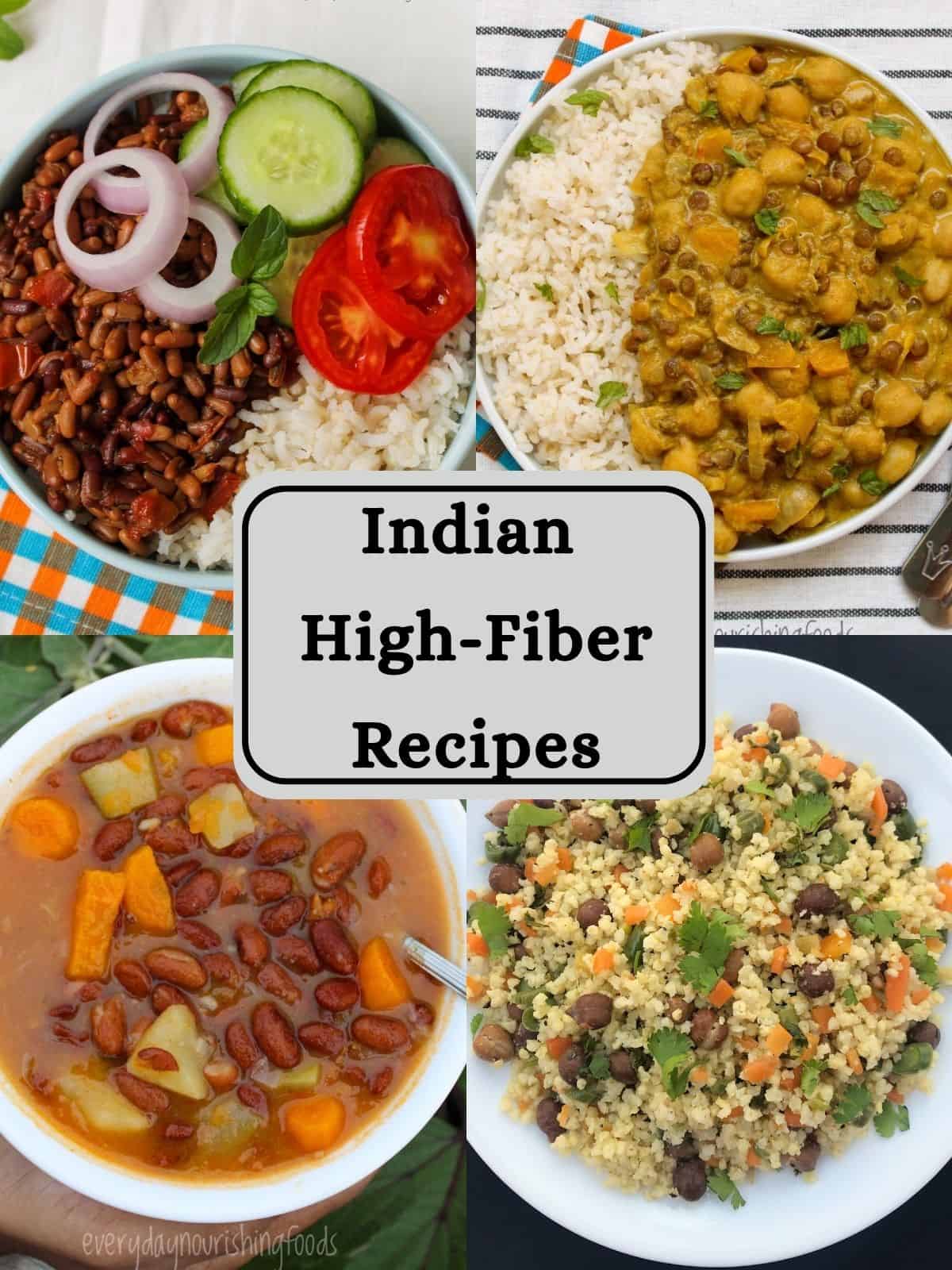
You do not need to make every part of a traditional Indian meal. Start with one main dish and add a simple grain, vegetable, or salad, depending on what the recipe already contains.
The exact fiber amount will vary according to the ingredients, serving size, and substitutions used. I selected these recipes because beans, lentils, millets, sprouts, peas, and vegetables form an important part of each dish.
Jump to:
- How to Use This Collection
- Why This Collection Is Useful
- Bean and Legume Curries
- Dal and Lentil Recipes
- One-Pot Millet and Rice Meals
- Bean, Sprout, and Millet Salads
- Vegetable-Based Recipes
- Soups, Light Meals, and Snacks
- One Batch, Different Meals
- Helpful Cooking Guides
- Frequently Asked Questions
- More Everyday Indian Meal Ideas
How to Use This Collection

In my kitchen, I usually start with one cooked bean, lentil, or millet and use it in two or three different meals during the week. For example, cooked kidney beans can become rajma, soup, salad, or a quick bean toast.
Start With What You Have: Choose a recipe based on the cooked beans, lentils, millet, or vegetables already available in your kitchen.
Choose the Meal Type: Pick a curry, dal, one-pot meal, salad, soup, or light lunch depending on how much time you have.
Keep the Sides Simple: You do not need to prepare several dishes for every meal. Start with one main recipe and add rice, millet, chapati, a vegetable side, or a fresh salad only when needed.
This approach helps me cook practical everyday meals without making the same type of dish throughout the week.
Happy Cooking!
-Sravanthi
Why This Collection Is Useful
Different Meal Formats: These recipes include curries, dals, soups, rice dishes, millet meals, salads, patties, toast, and vegetable sides.
Familiar Ingredients: You can make most of these dishes with regular Indian pantry staples such as rajma, chickpeas, lentils, millets, peas, and vegetables.
Practical Meal Combinations: Each section gives you ideas for turning a single recipe into a complete lunch or dinner.
Batch-Cooking Friendly: Many recipes begin with cooked beans, lentils, or millet that you can prepare ahead of time.
Bean and Legume Curries
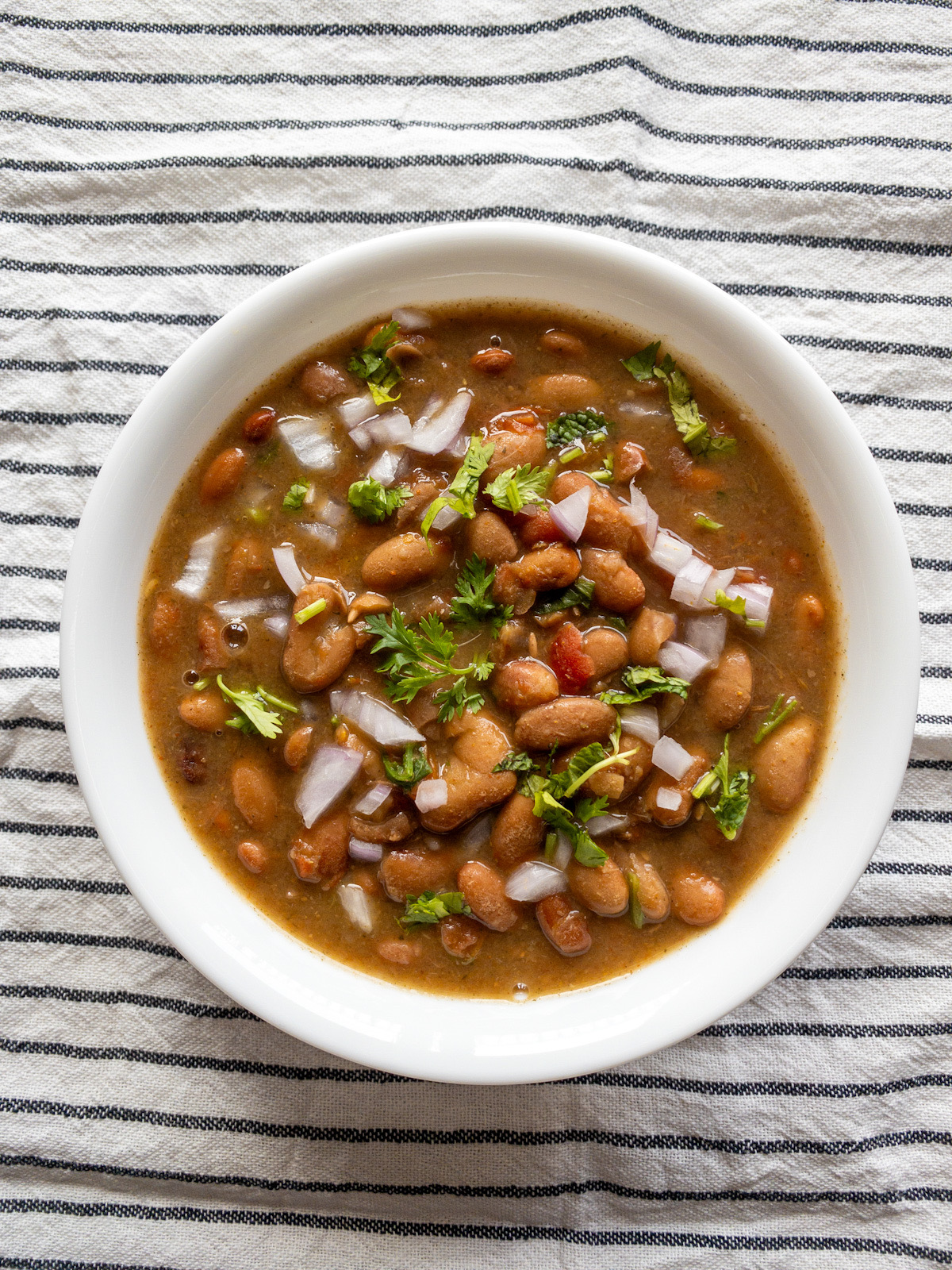
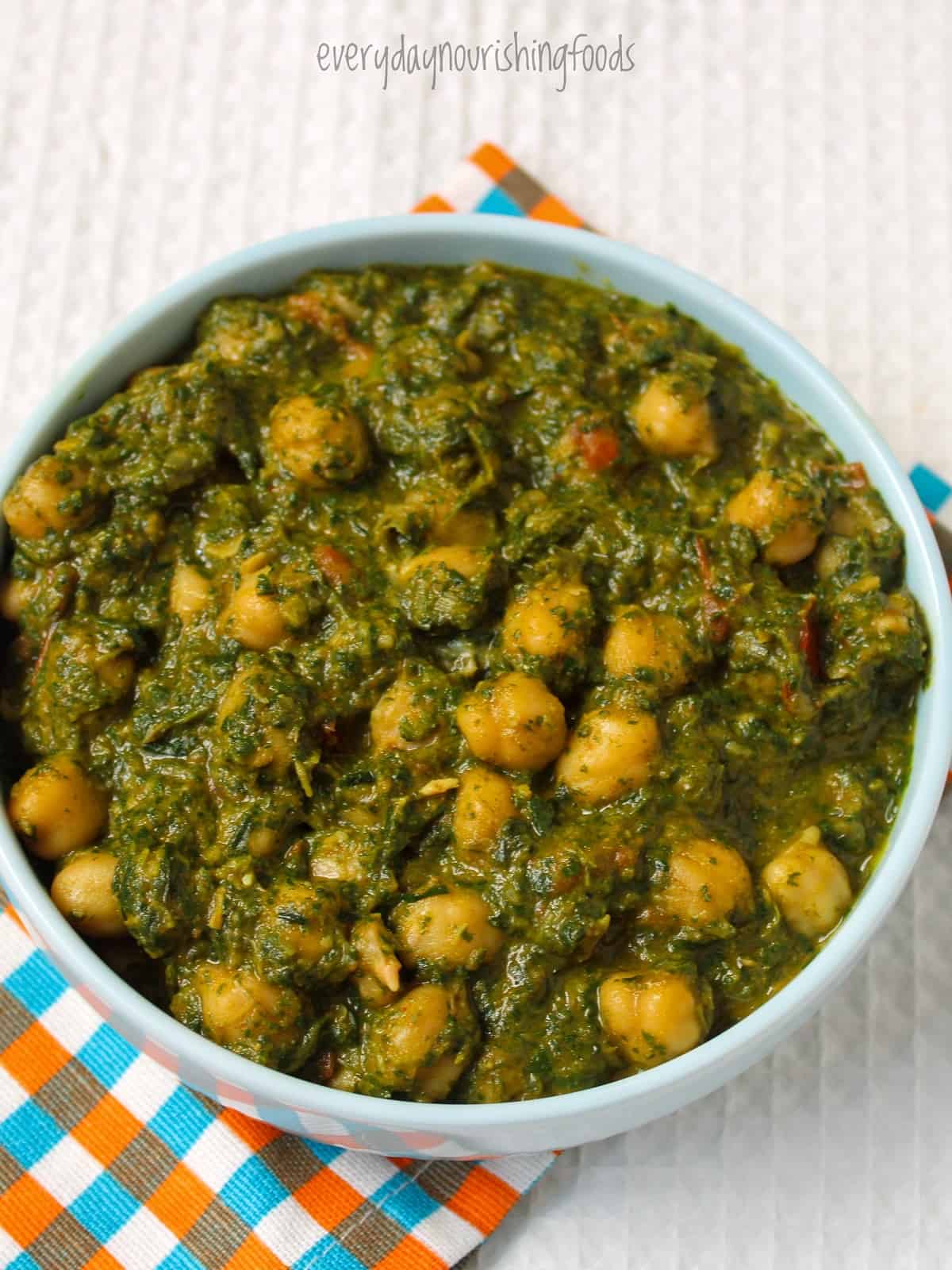
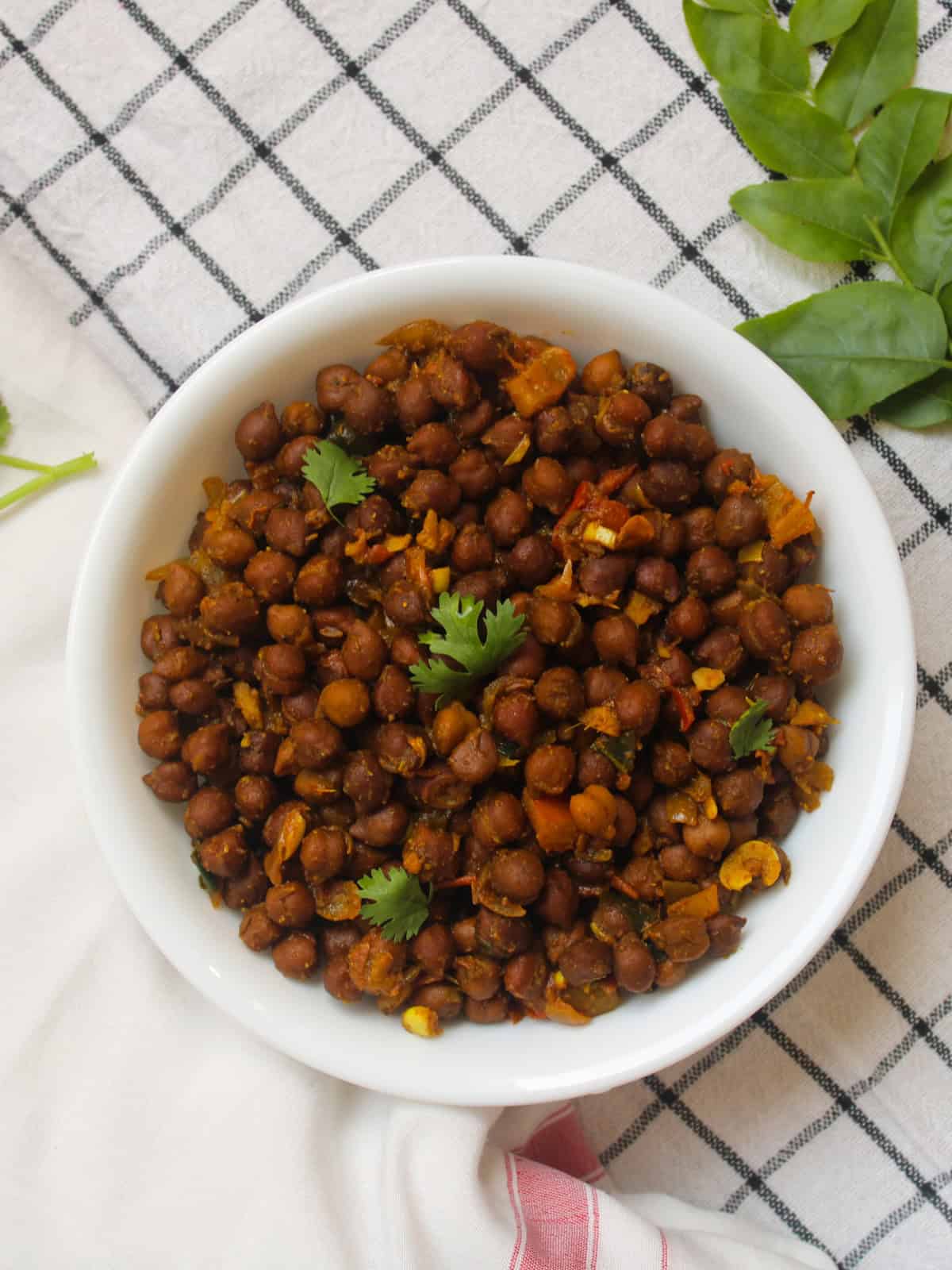
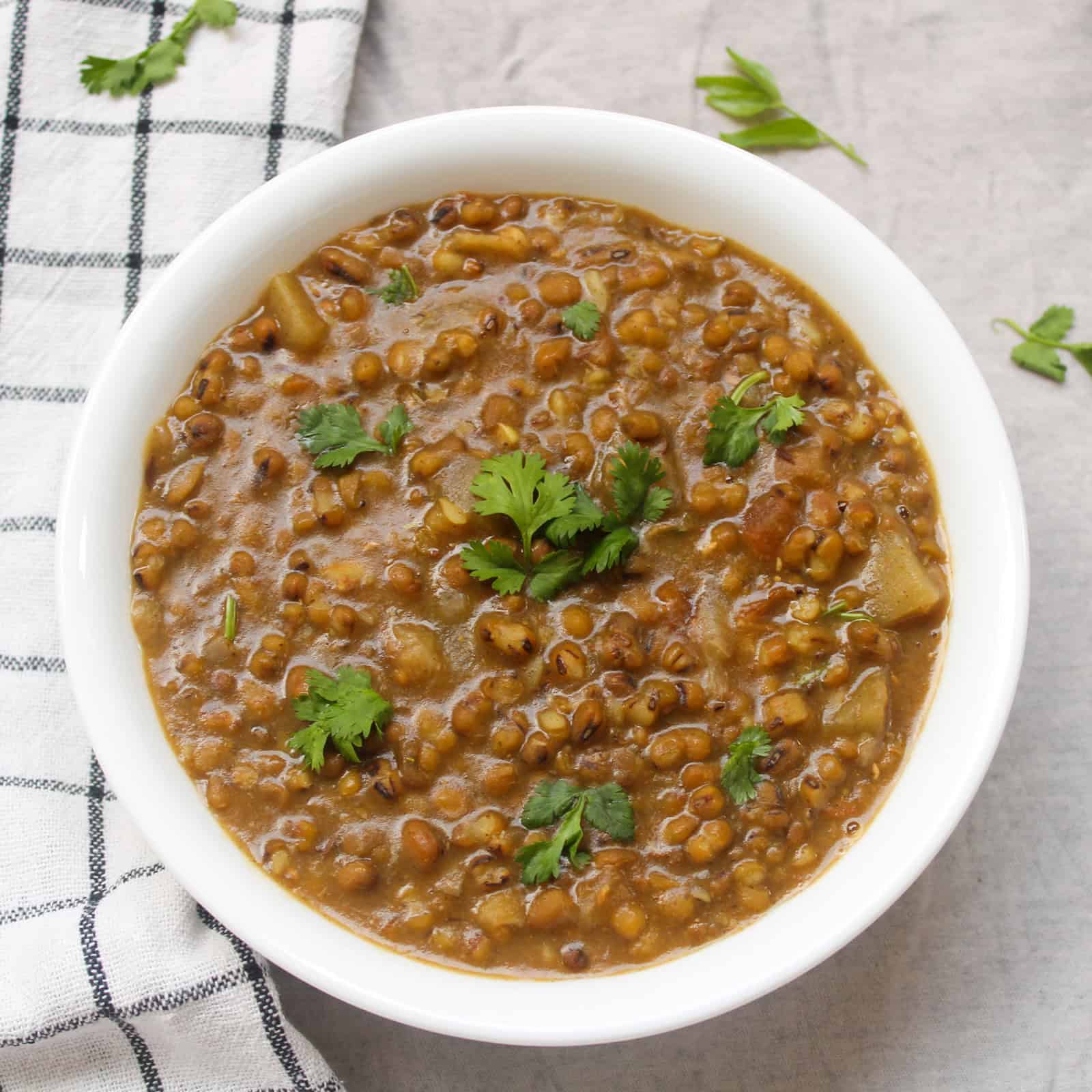
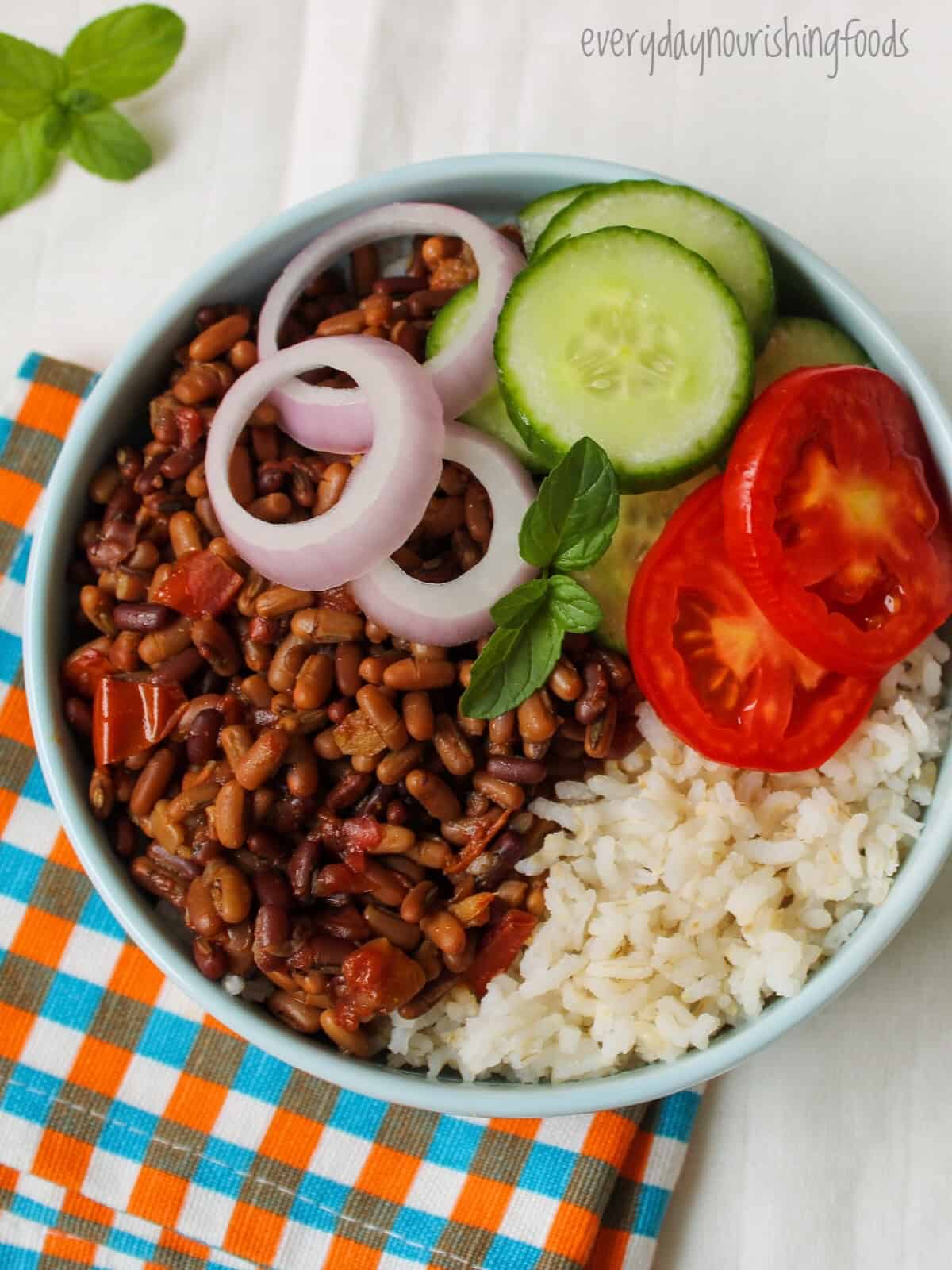
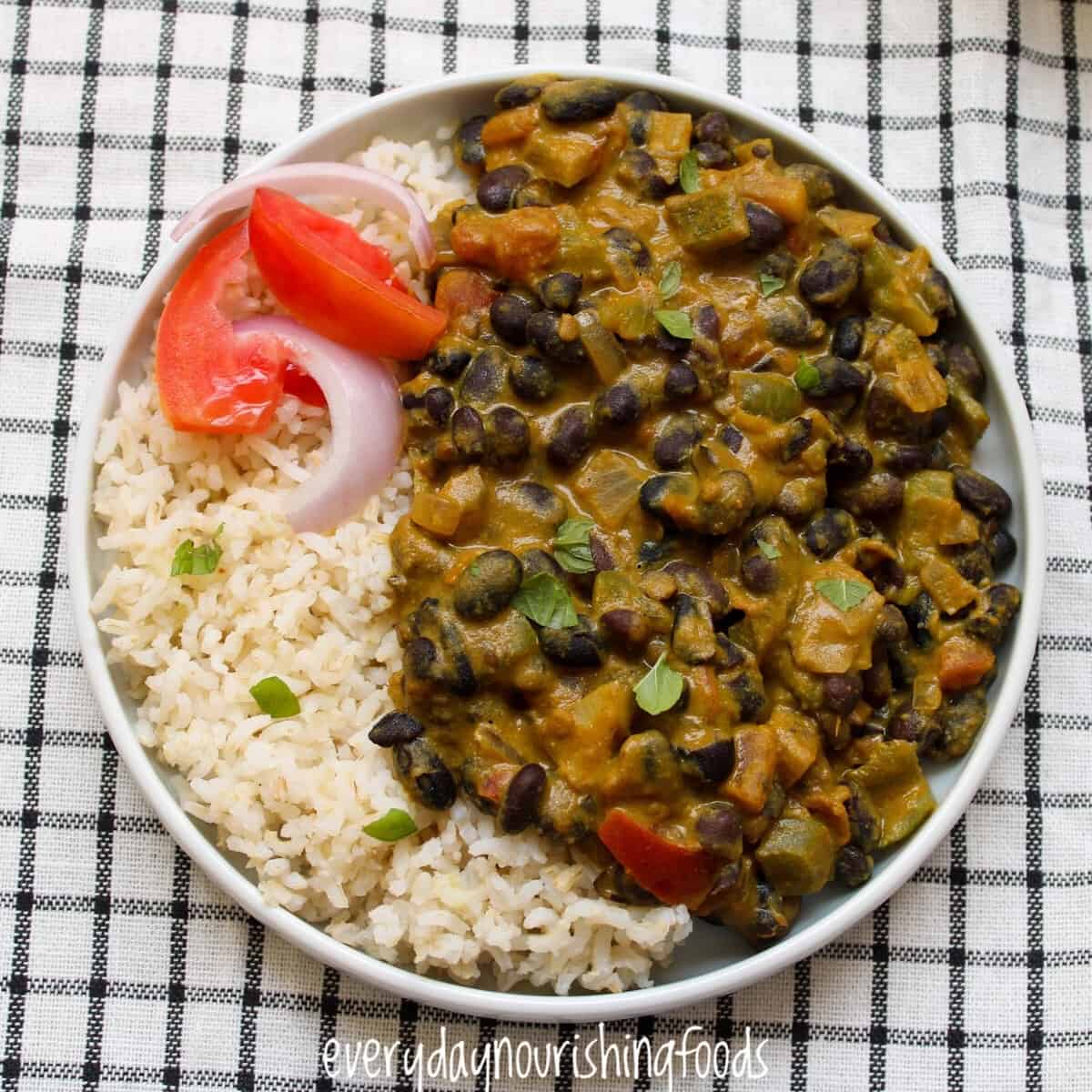
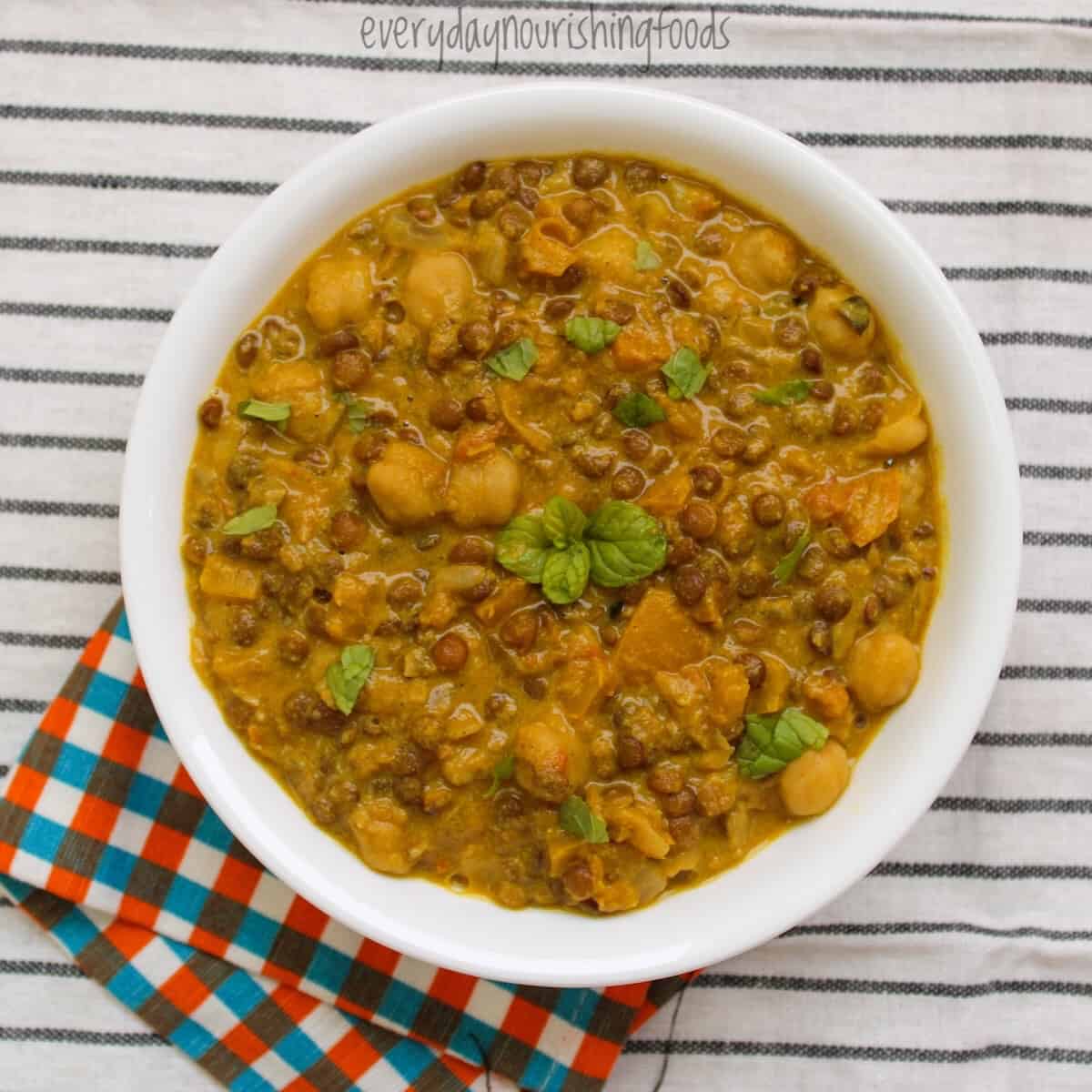
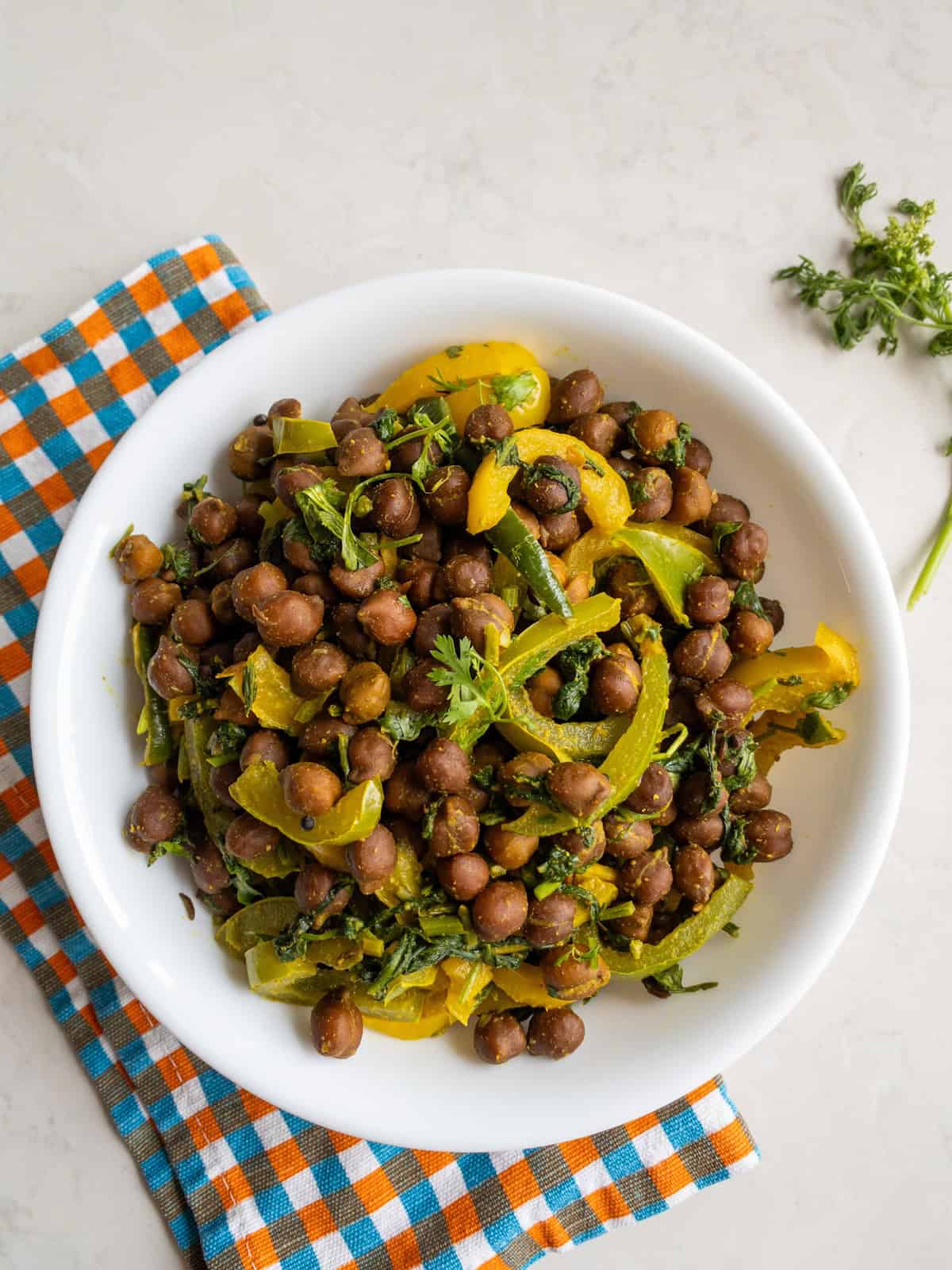
Whole beans and chickpeas work well in both gravy-style and dry Indian curries. You can cook the beans ahead of time and refrigerate or freeze them in smaller portions, which makes these recipes easier to prepare during the week.
Dal and Lentil Recipes
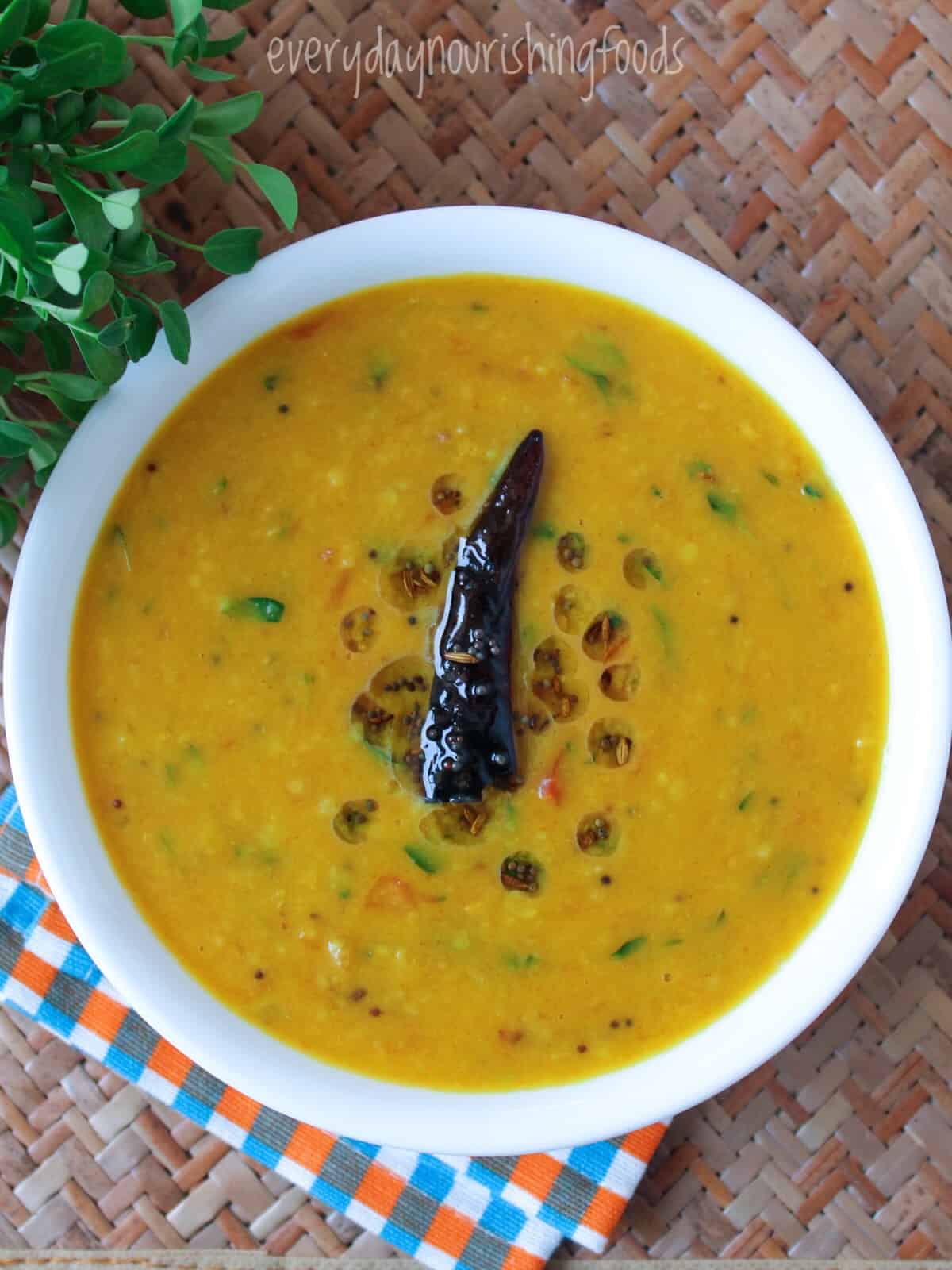
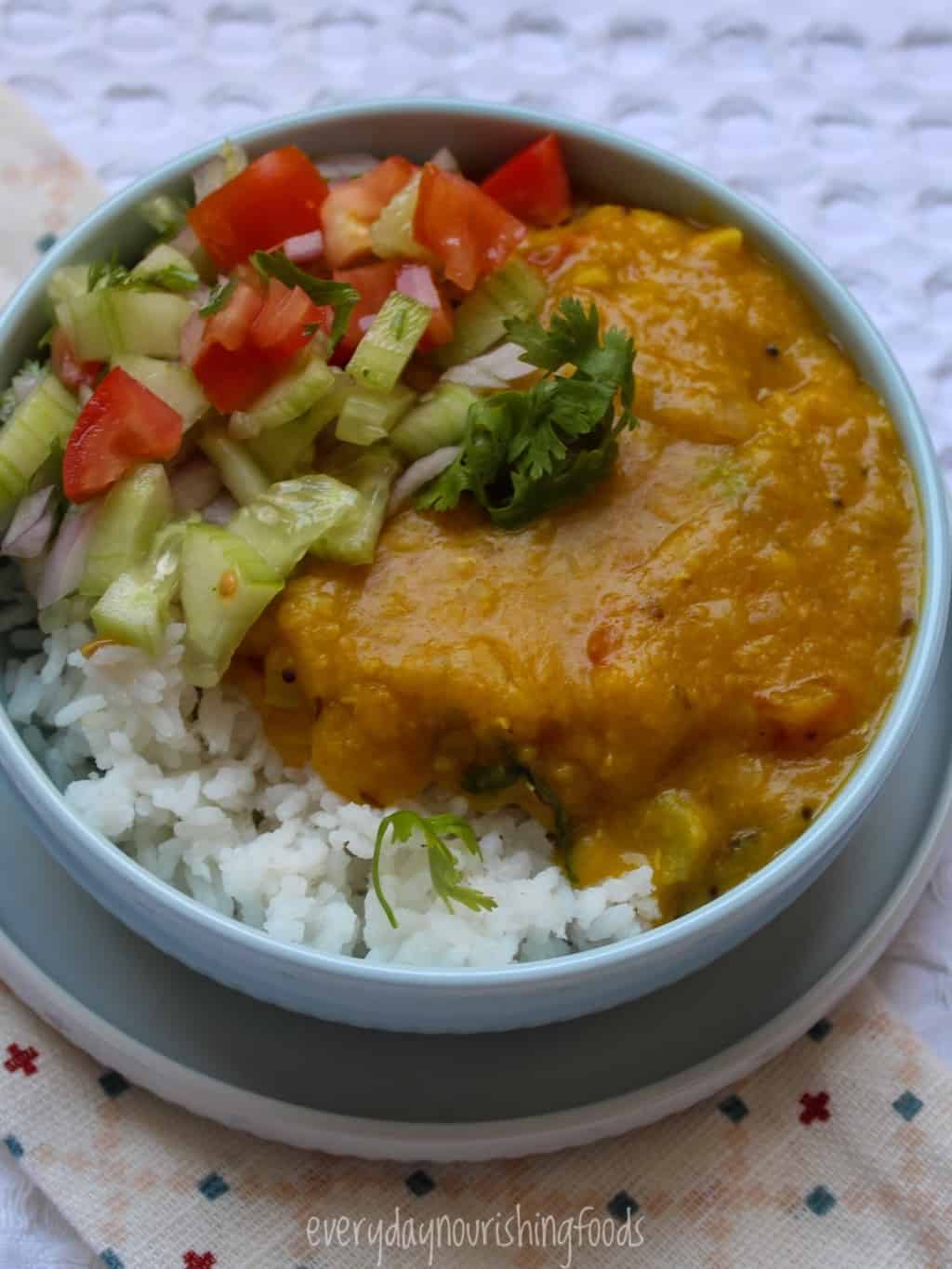
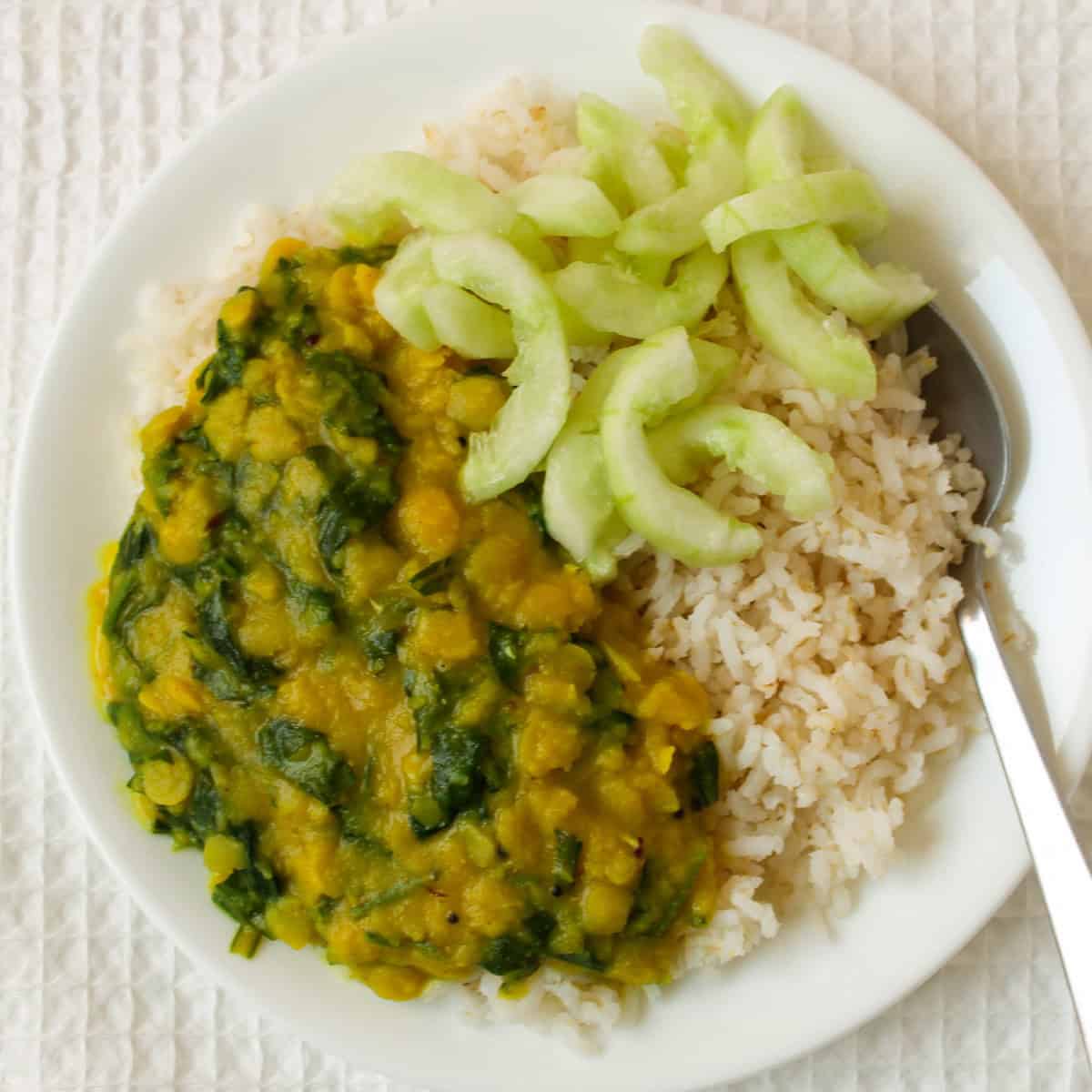
Dal is one of the easiest dishes to include in an everyday Indian meal. Serve it with rice, millet, or chapati and add one simple vegetable curry, stir-fry, or fresh salad on the side.



One-Pot Millet and Rice Meals
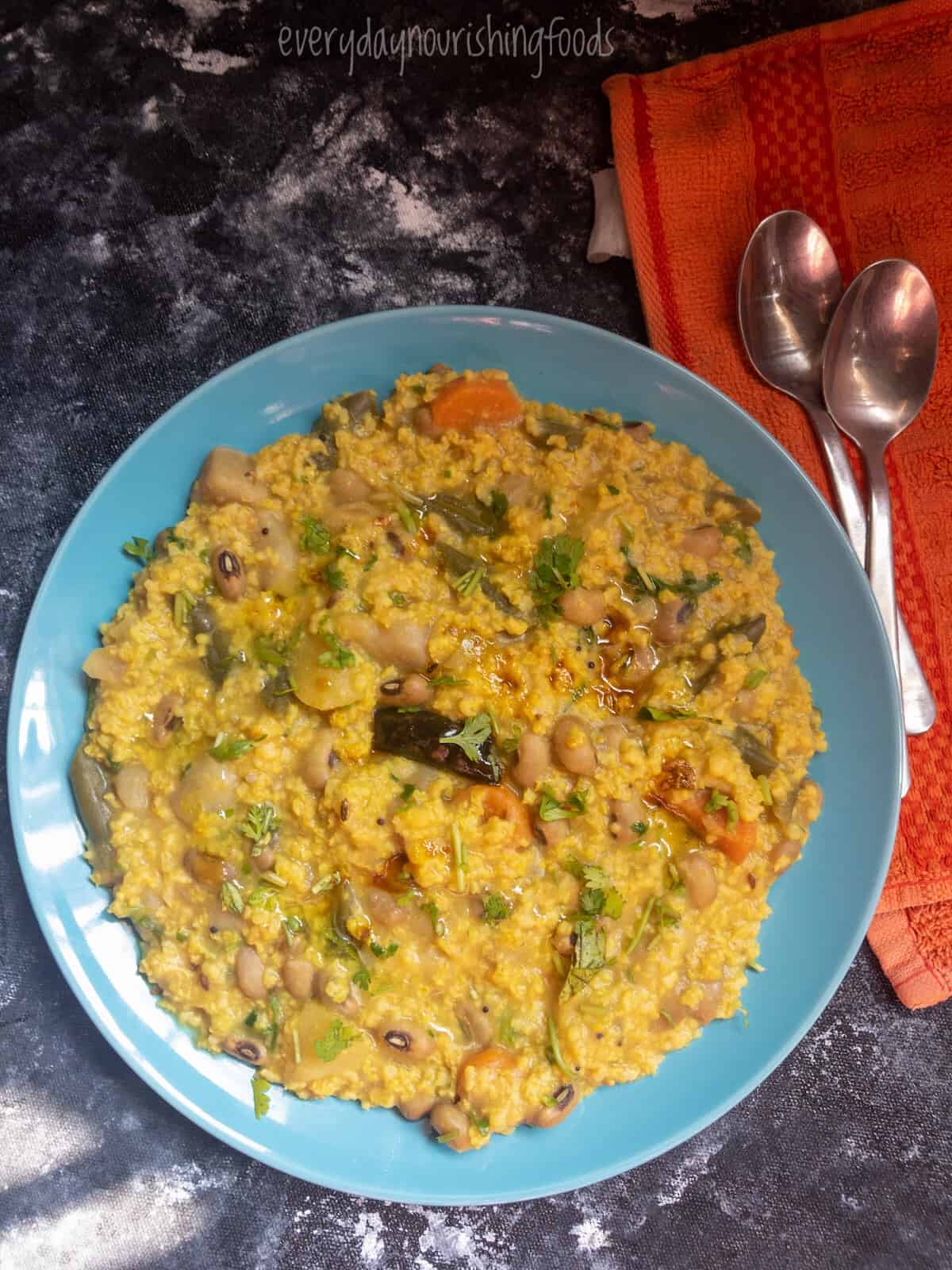
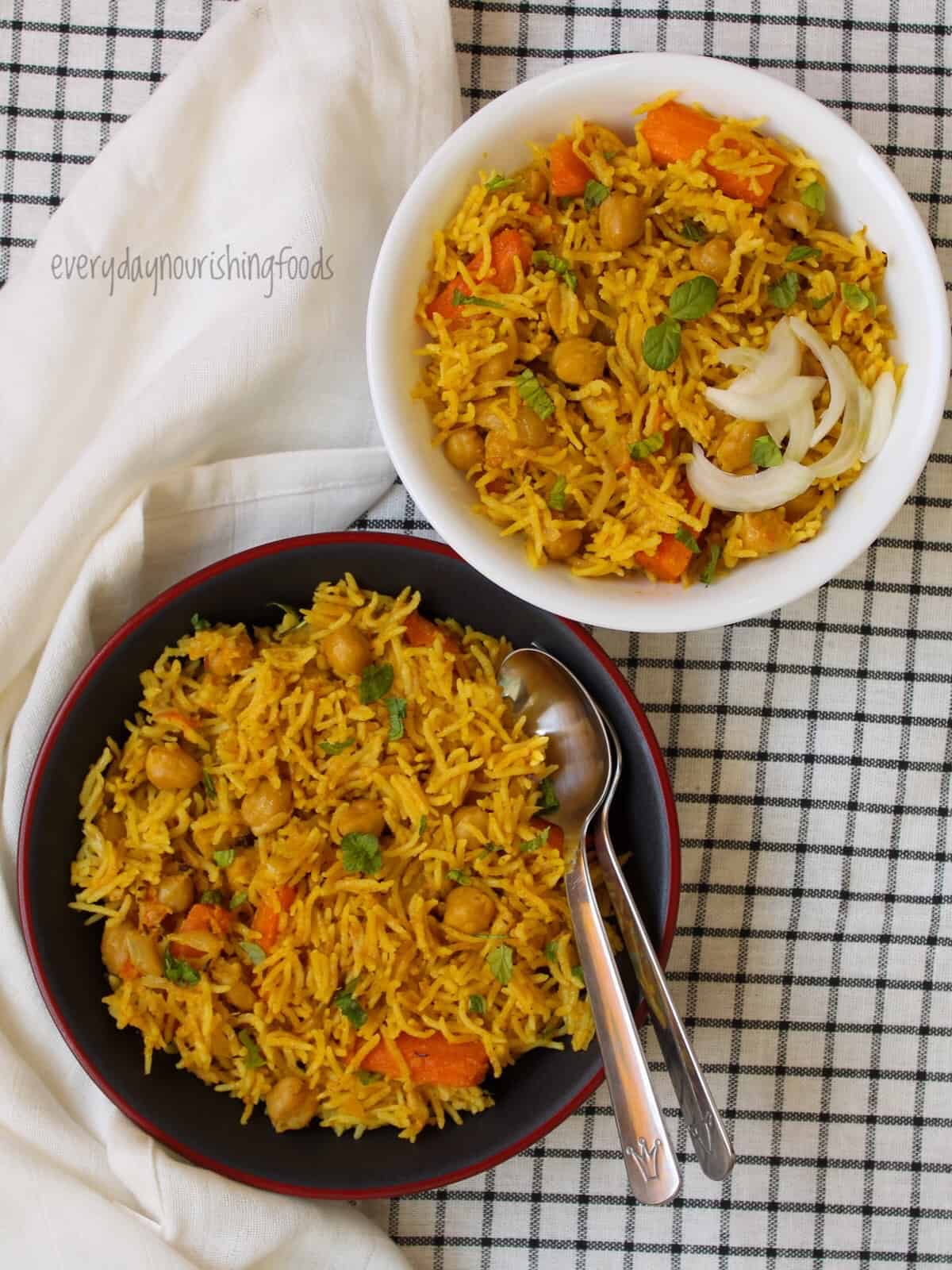
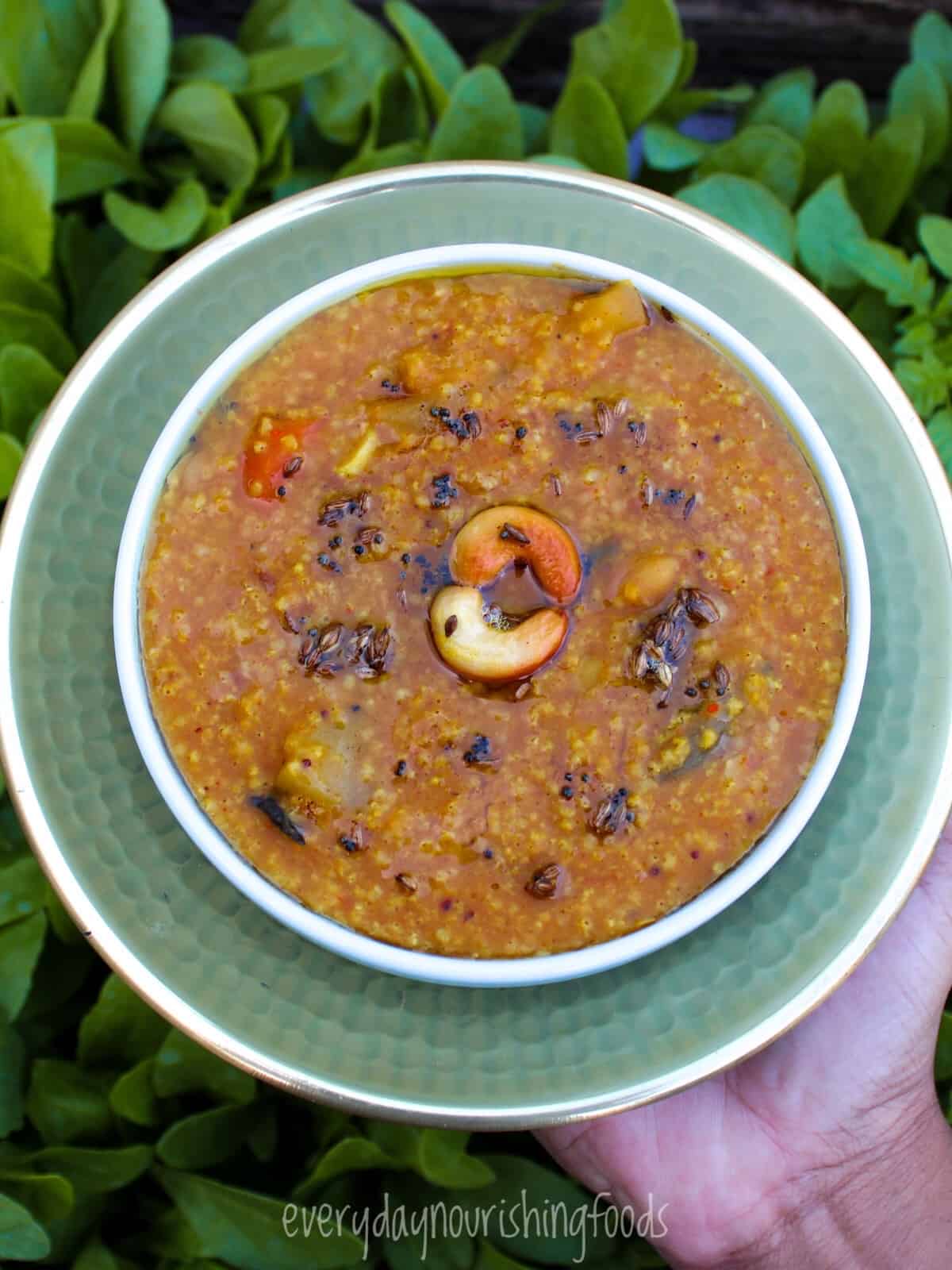
One-pot meals are useful when you do not want to cook a separate grain, curry, and vegetable side. These recipes combine rice or millet with lentils, beans, peas, or vegetables to make a practical lunch or dinner.


Want to Save This Recipe?

Bean, Sprout, and Millet Salads
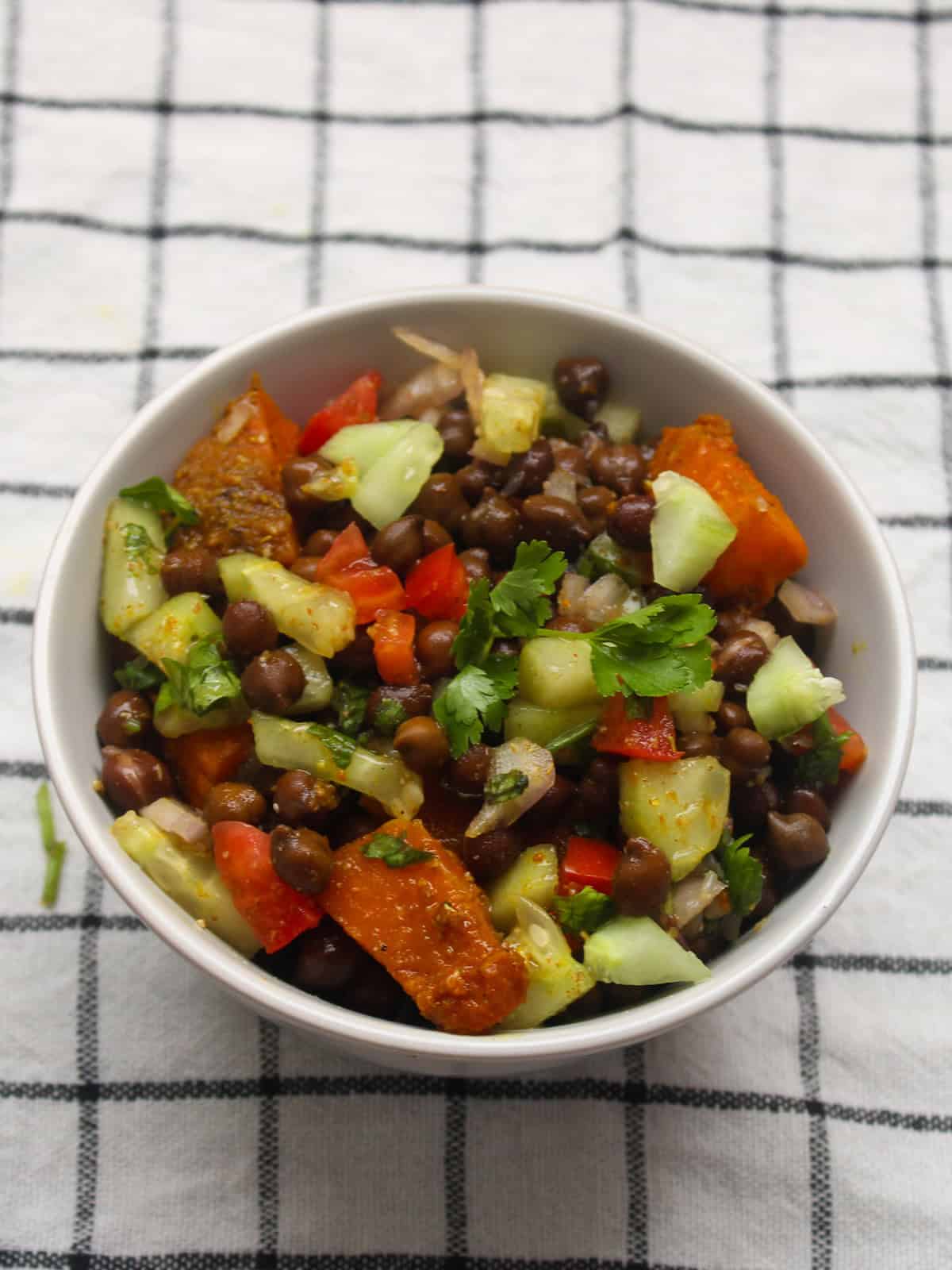
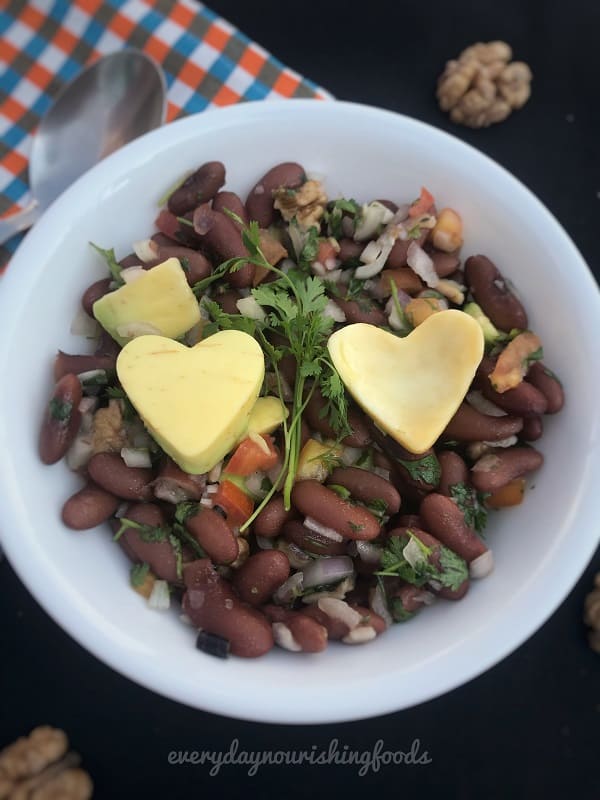
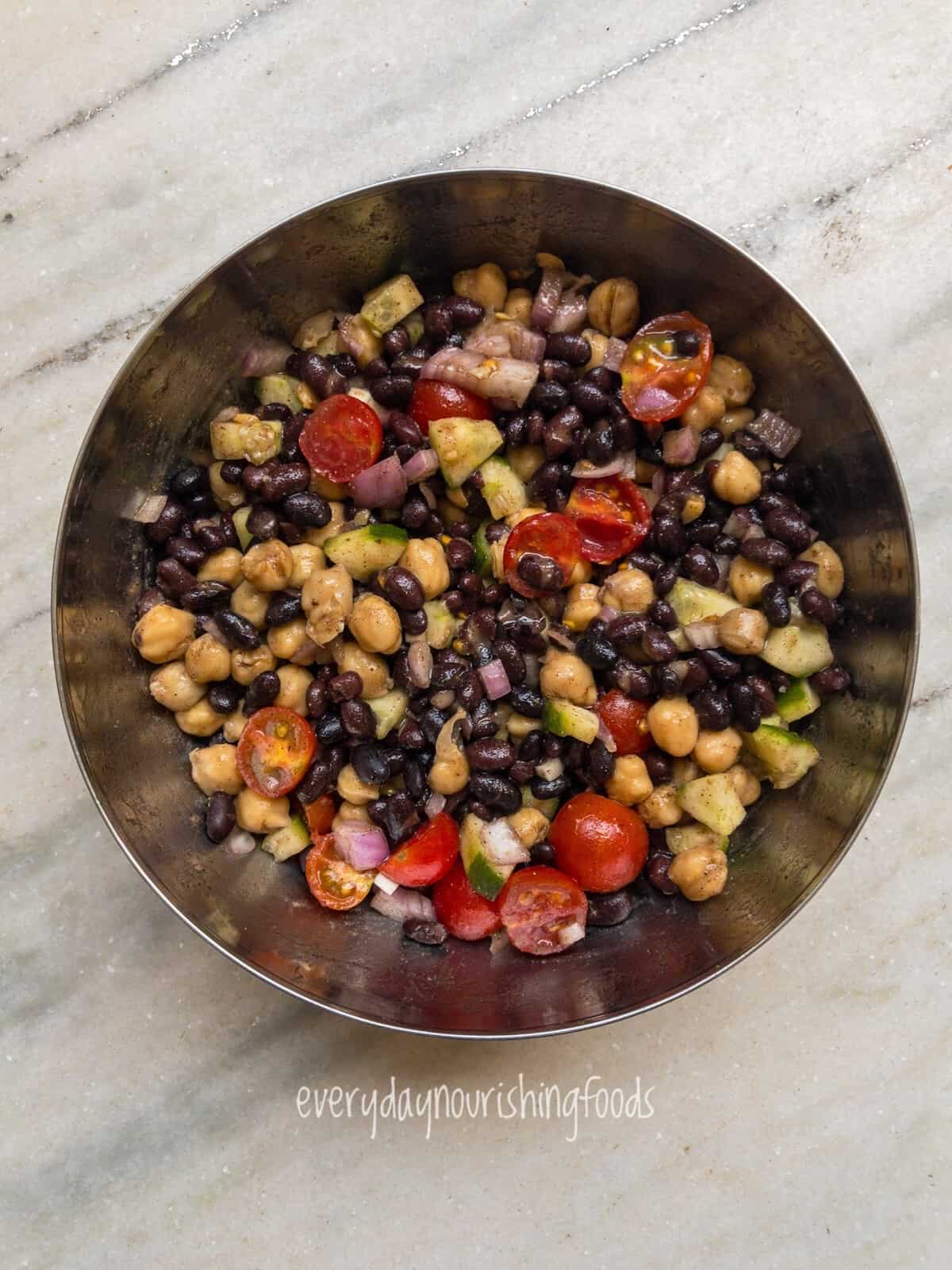
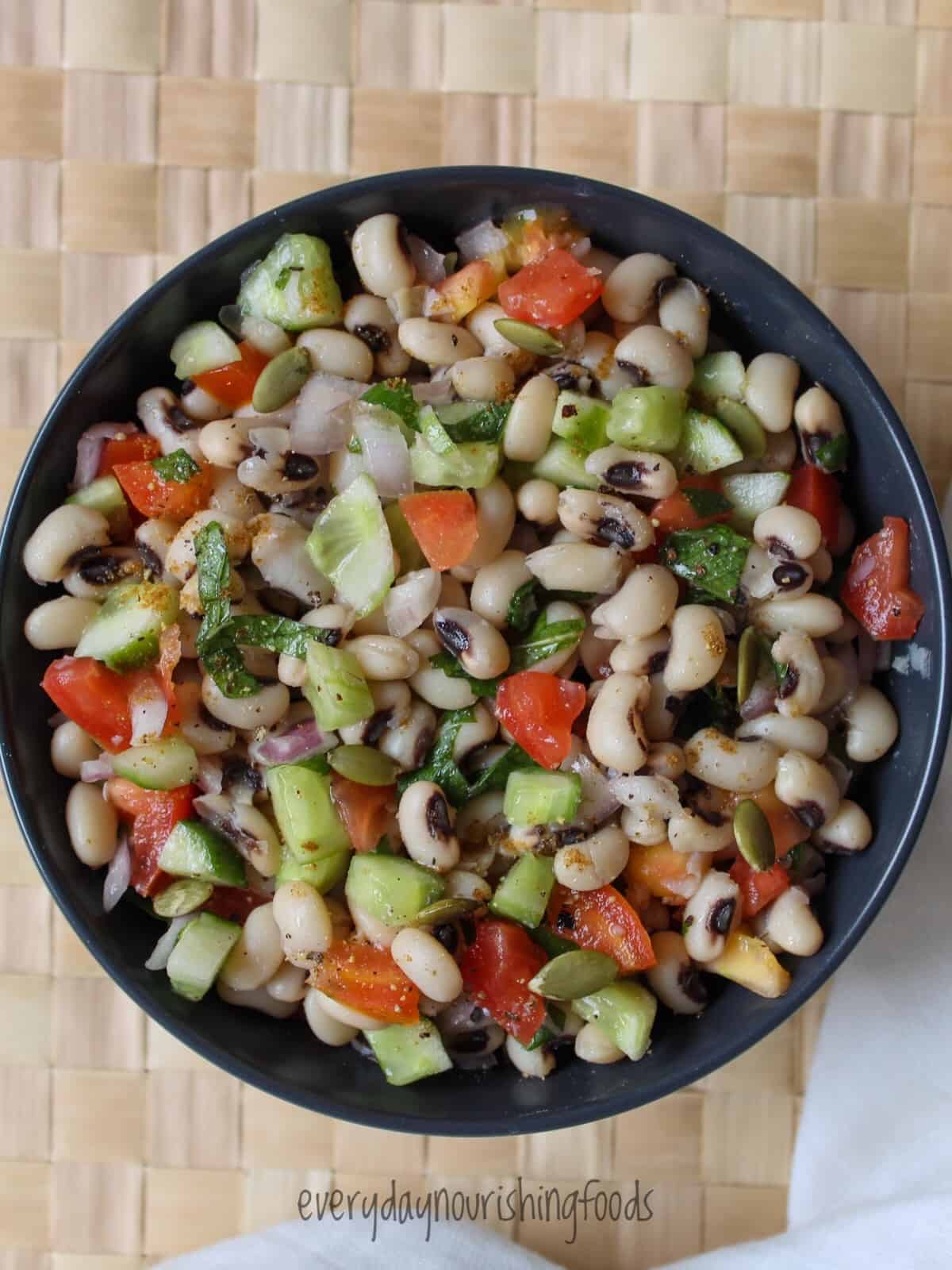
These salads use cooked beans, sprouts, or millet as the main ingredient, along with fresh vegetables and simple dressings. They work well as light lunches, meal-prep dishes, or fresh sides for a larger Indian meal.


Vegetable-Based Recipes
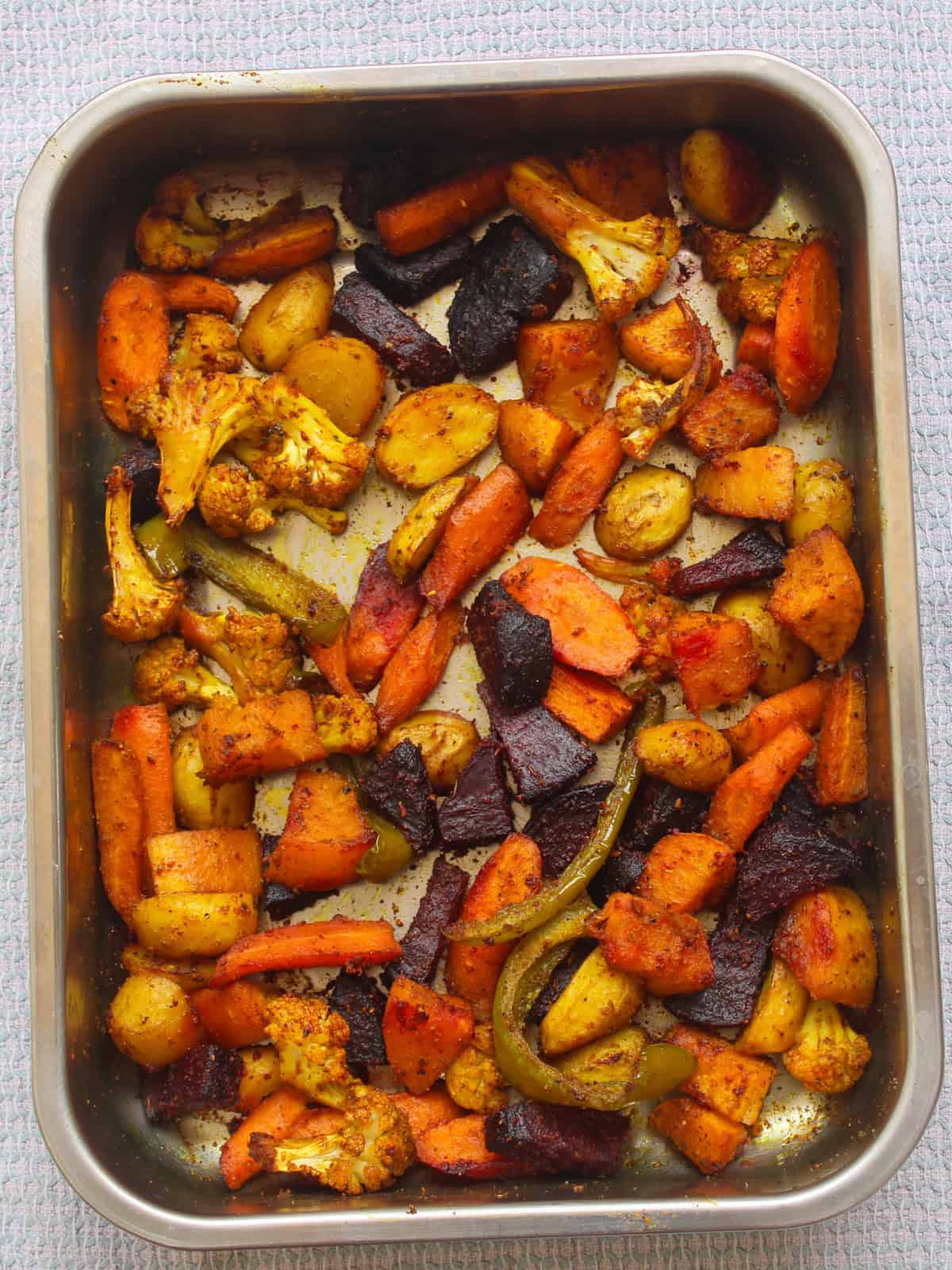
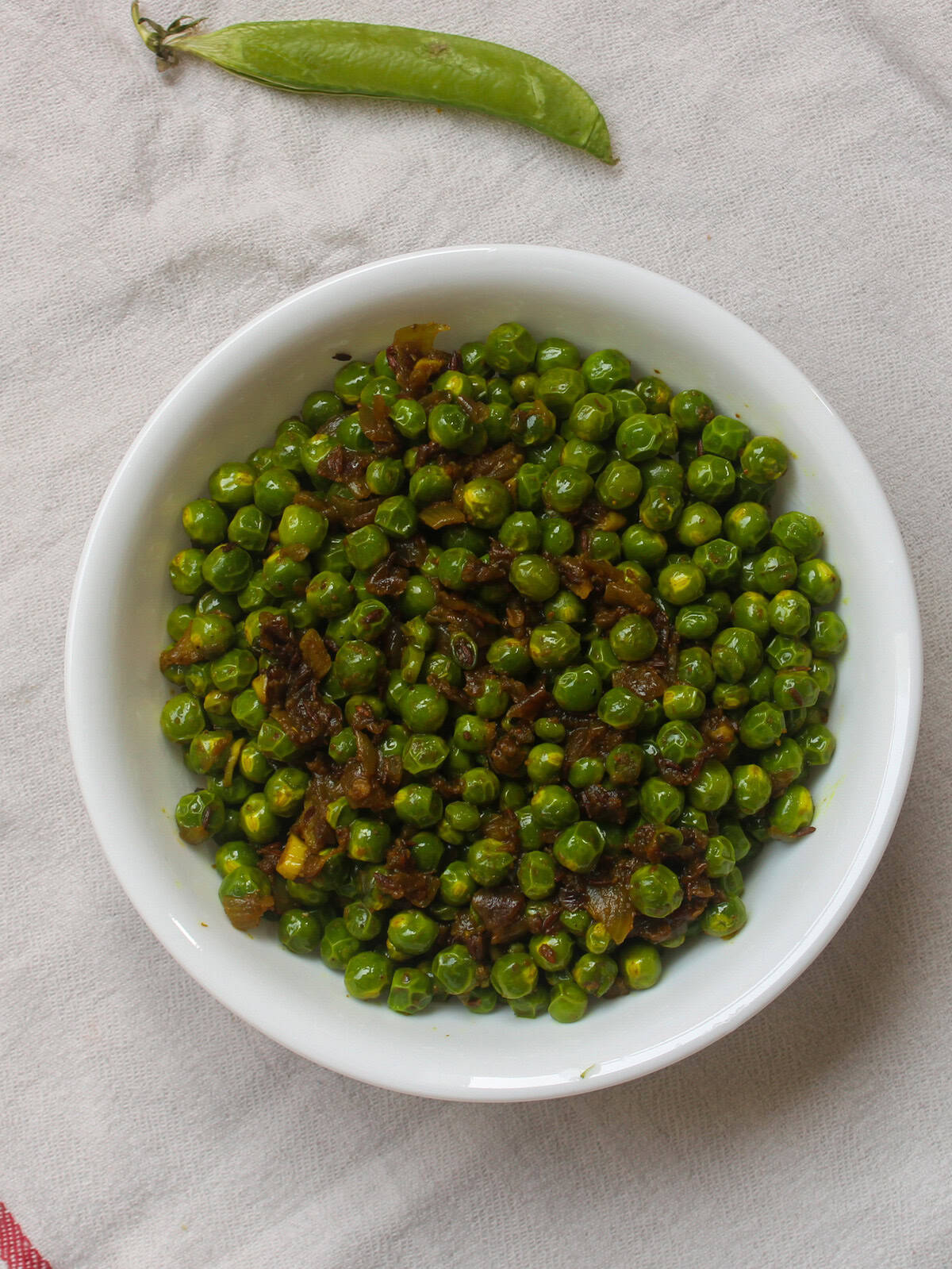
Vegetable recipes add variety to meals made with beans, dal, rice, or millet. This section includes roasted vegetables, leafy green curries, simple vegetable curries, and quick stir-fries that work well for everyday lunch or dinner.


Soups, Light Meals, and Snacks
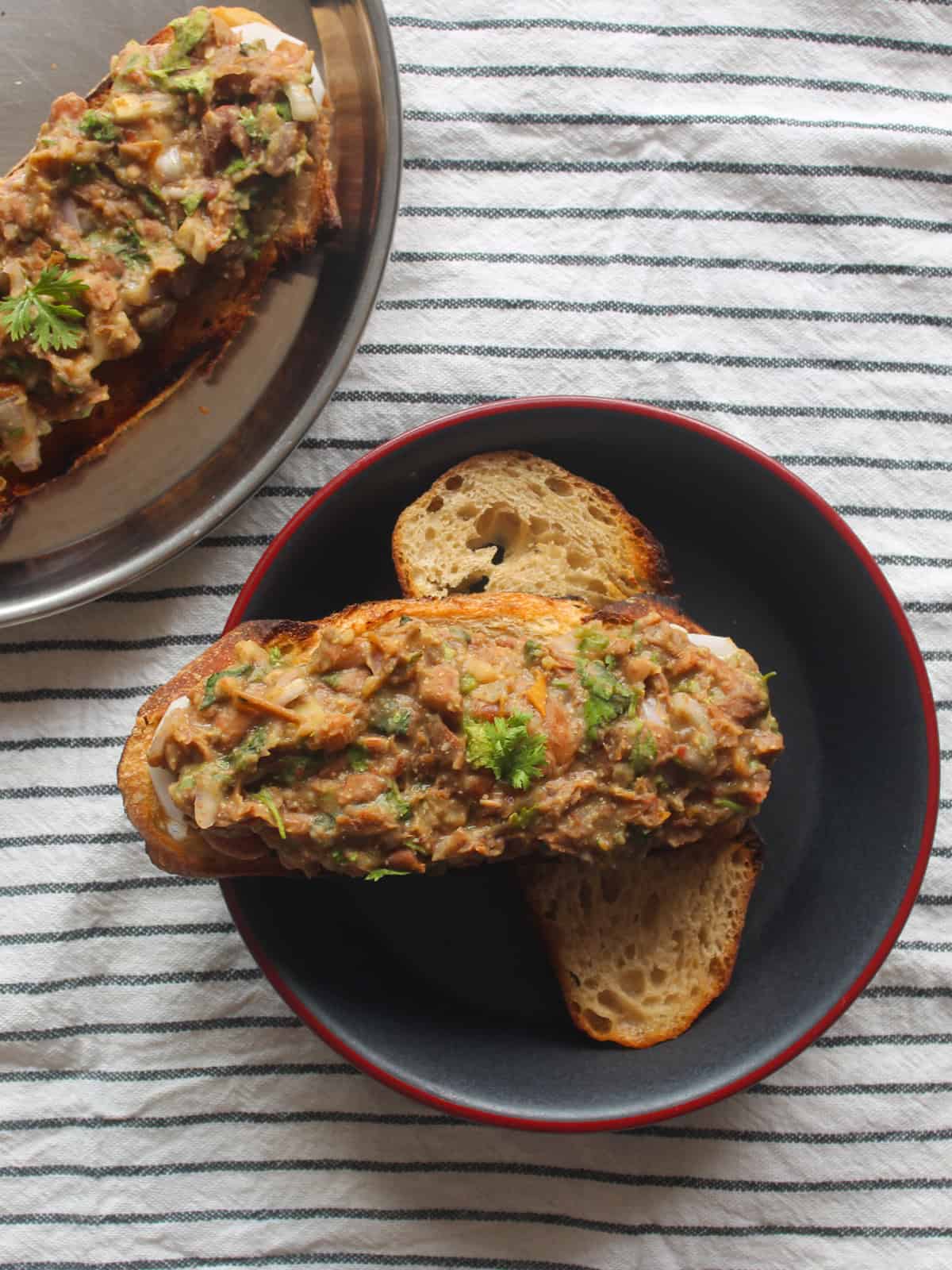
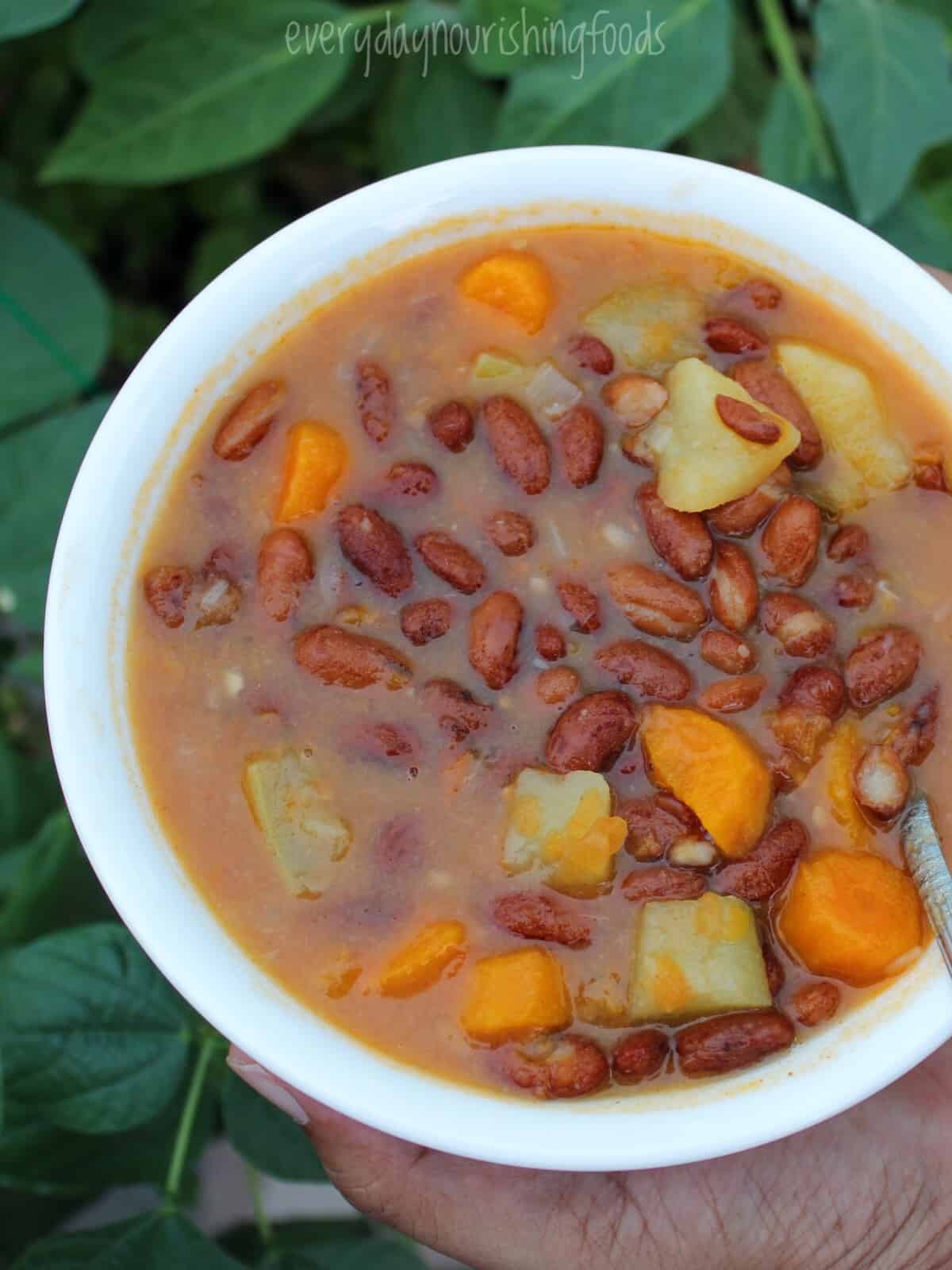
Beans and millets do not always have to become curries or full rice meals. These recipes turn them into soups, toast toppings, patties, and other simple dishes that work for breakfast, lunch, snacks, or lunchboxes.

One Batch, Different Meals
Cooking one batch of beans or millet ahead of time makes everyday meals easier. I try to use the same ingredient in different ways so that the meals do not feel repetitive.
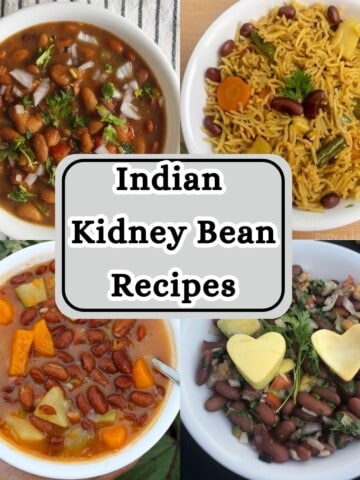
Cooked Kidney Beans: Use them to make rajma, kidney bean soup, cabbage stir-fry with kidney beans, rajma salad, or Indian bean toast.
Cooked Chickpeas: Turn them into chana saag, chickpea lentil curry, chickpea rice, chickpea millet rice, or a bean salad.
Cooked Kala Chana: Use black chickpeas in kala chana masala, bell pepper kala chana curry, or kala chana pumpkin salad.
Cooked Millet: Use leftover millet to make lemon millet, chickpea millet rice, vegetable millet salad, or millet and black-eyed pea patties.
Cool cooked beans and millet completely before refrigerating them. Store them in smaller portions so you can take out only what you need for each meal.
For more ideas on cooking ingredients ahead and using them throughout the week, see my Indian vegetarian meal prep guide.
Helpful Cooking Guides
These guides will help you choose, cook, and store the beans, lentils, and millets used in the recipes above.
- The Ultimate Guide to Indian Beans and Legumes
- Indian Dals and Lentils
- Millet Recipes and Types
- The Ultimate Guide to Indian Salads
For more ingredient guides, cooking methods, and practical kitchen tips, explore my Food Tips collection.
Frequently Asked Questions
The exact amount will vary according to the recipe, ingredients, substitutions, and serving size. This collection focuses on recipes where beans, lentils, millets, sprouts, peas, or vegetables are important ingredients. Check the individual recipe card when nutritional information is available, and you need an estimated amount per serving.
You can use canned beans in many curries, soups, salads, rice dishes, and stir-fries. Drain and rinse them before adding them to the recipe.
However, follow the individual recipe instructions carefully. Recipes that pressure-cook dried beans, such as my Instant Pot rajma, are tested with soaked dried beans and will not use the same cooking time for canned beans.
Cook one type of bean or lentil and one grain during your weekly meal prep. You can also wash and chop vegetables that hold well in the refrigerator. For example, cooked chickpeas and millet can become a curry, rice stir-fry, salad, or patties during the week.
Change the meal format instead of changing every ingredient.
Use cooked beans in a curry one day, a salad the next day, and a soup or toast topping later in the week. Add different vegetables, dressings, and side dishes to change the meal further.
No. A one-pot dish containing grains, legumes, and vegetables may only need a fresh salad or chutney.
When serving a simple dal, add rice or millet and one vegetable side. When serving a bean salad, add soup, toast, patties, or roasted vegetables depending on your appetite.
More Everyday Indian Meal Ideas
Beans, lentils, millets, and vegetables can become many different meals instead of the same curry every day. Start with one ingredient you already have and use it in a curry, dal, soup, rice dish, salad, or light lunch during the week.
If you try any of these high-fiber Indian vegetarian recipes, let me know which one you made and how you served it. You can also subscribe for more practical Indian vegetarian recipes, meal ideas, and cooking tips.
If you find my kitchen-tested tips helpful, click the button to see more of my recipes first when you search on Google!


Leave a Reply