
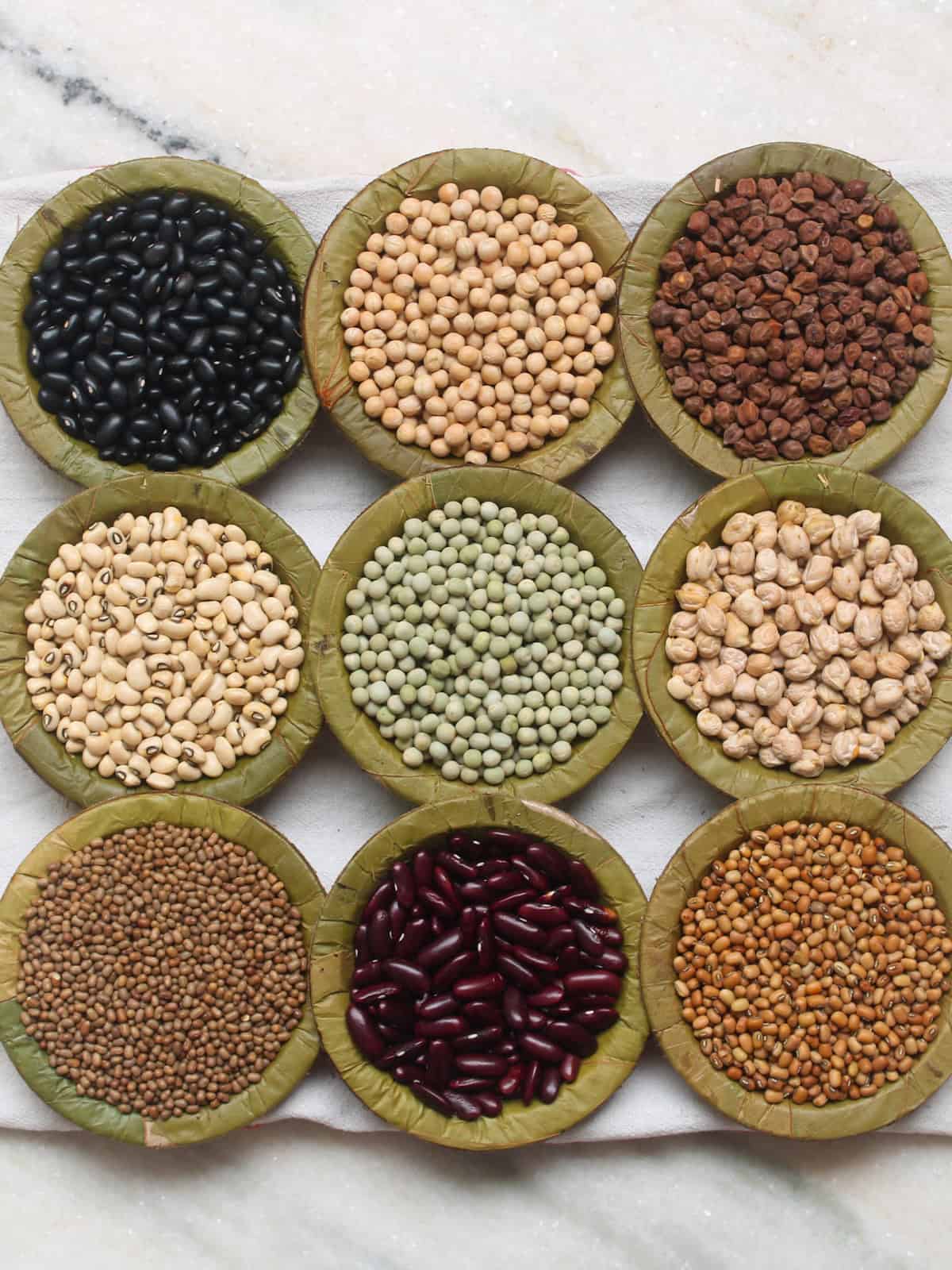
Beans and chickpeas are part of many everyday Indian meals. I use them for curries, rice dishes, salads, soups, and quick lunch bowls.
I usually keep cooked beans ready in the fridge or freezer as part of my weekly meal prep. When the beans are already cooked, a bowl of rajma curry with rice, chana masala with roti, or kala chana salad comes together much faster.
This guide covers the common Indian beans and legumes I use in my kitchen, how they are different from dal, how to cook them, and what recipes you can make with them.
Jump to:
- Beans vs Dal
- Use the Bean Recipe Finder
- Quick Guide to Indian Beans and Legumes
- Common Indian Beans and How to Use Them
- How to Cook Indian Beans and Legumes
- Dried Beans vs Canned Beans
- How I Use Beans for Weekly Meal Prep
- How to Store Cooked Beans
- What to Make with Cooked Beans
- Indian Bean and Legume Recipes to Try
- What to Serve with Bean Curries
- Common FAQs
Beans vs Dal

Beans are usually cooked whole and hold their shape after cooking. Dal usually refers to split lentils or split pulses that cook down soft and creamy.
Kidney beans (rajma), chickpeas (chana), black chickpeas (kala chana), and black-eyed peas (lobia) fall into the beans and whole legumes category. Toor dal, moong dal, and masoor dal are common dals, and my Indian dal guide covers that side of the pantry in detail.
If you use the Instant Pot often as I do, you can also check my Instant Pot beans and legumes guide and Instant Pot dals guide for cooking times, water ratios, and recipe ideas.
Happy Cooking!
-Sravanthi
Use the Bean Recipe Finder
Not sure what to make with rajma, chana, kala chana, lobia, or other Indian beans and legumes? Use the Bean Recipe Finder to choose what you have and see recipes you can make with it.
This is useful when you have one bag of beans in the pantry or a batch of cooked beans in the fridge and want to decide what to cook next.
Quick Guide to Indian Beans and Legumes
Here is a quick look at the common beans and whole legumes used in Indian cooking.
Common Indian Beans and How to Use Them
Kidney Beans (Rajma)
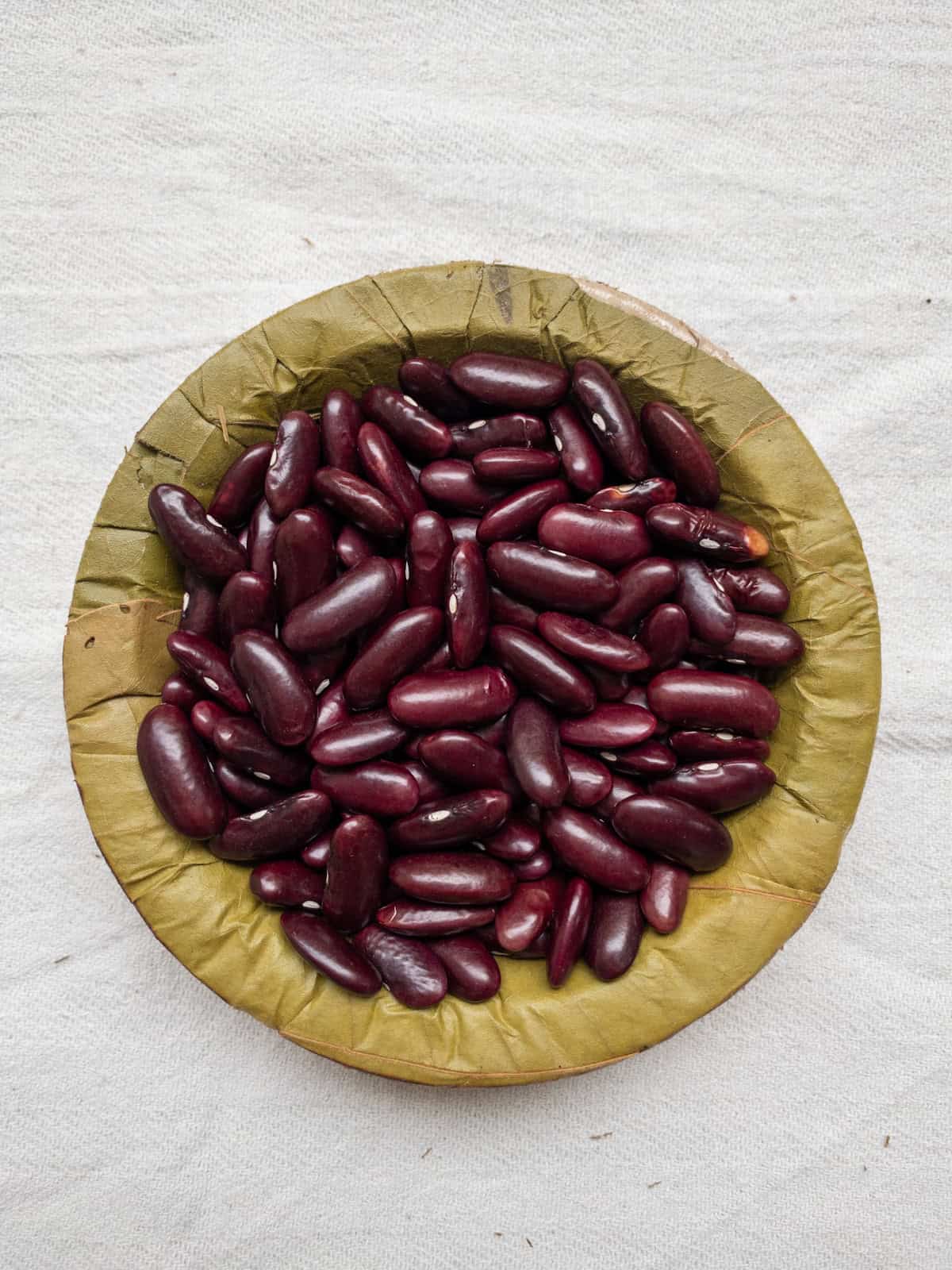
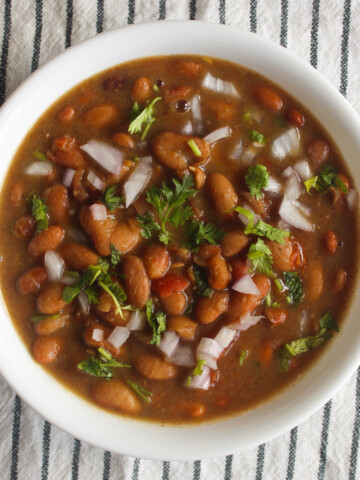
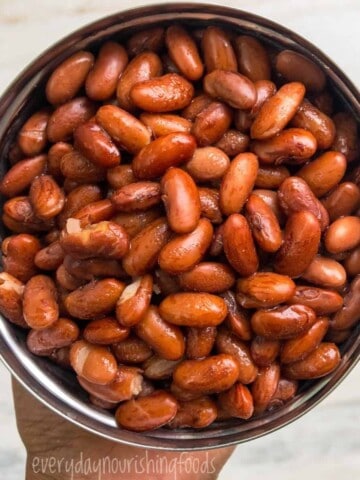
Rajma is one of the most loved beans in North Indian cooking. These red kidney beans become soft and creamy after cooking and work well in thick, tomato-based curries.
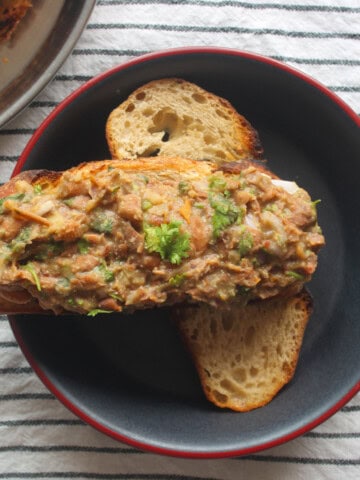
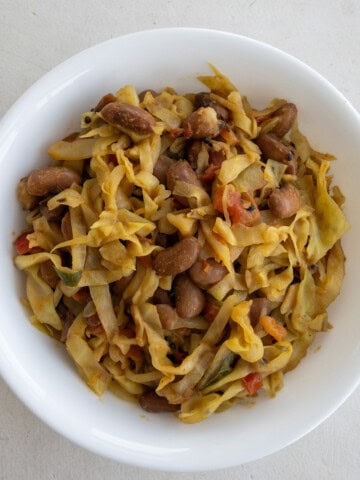
Rajma needs soaking and enough pressure cooking to become soft. If the beans are not cooked well, the curry will not taste right, even if the masala is good. I usually use rajma for curries, rice dishes, salads, and quick toast or wraps.
Recipes to try:
Chickpeas (Kabuli Chana)
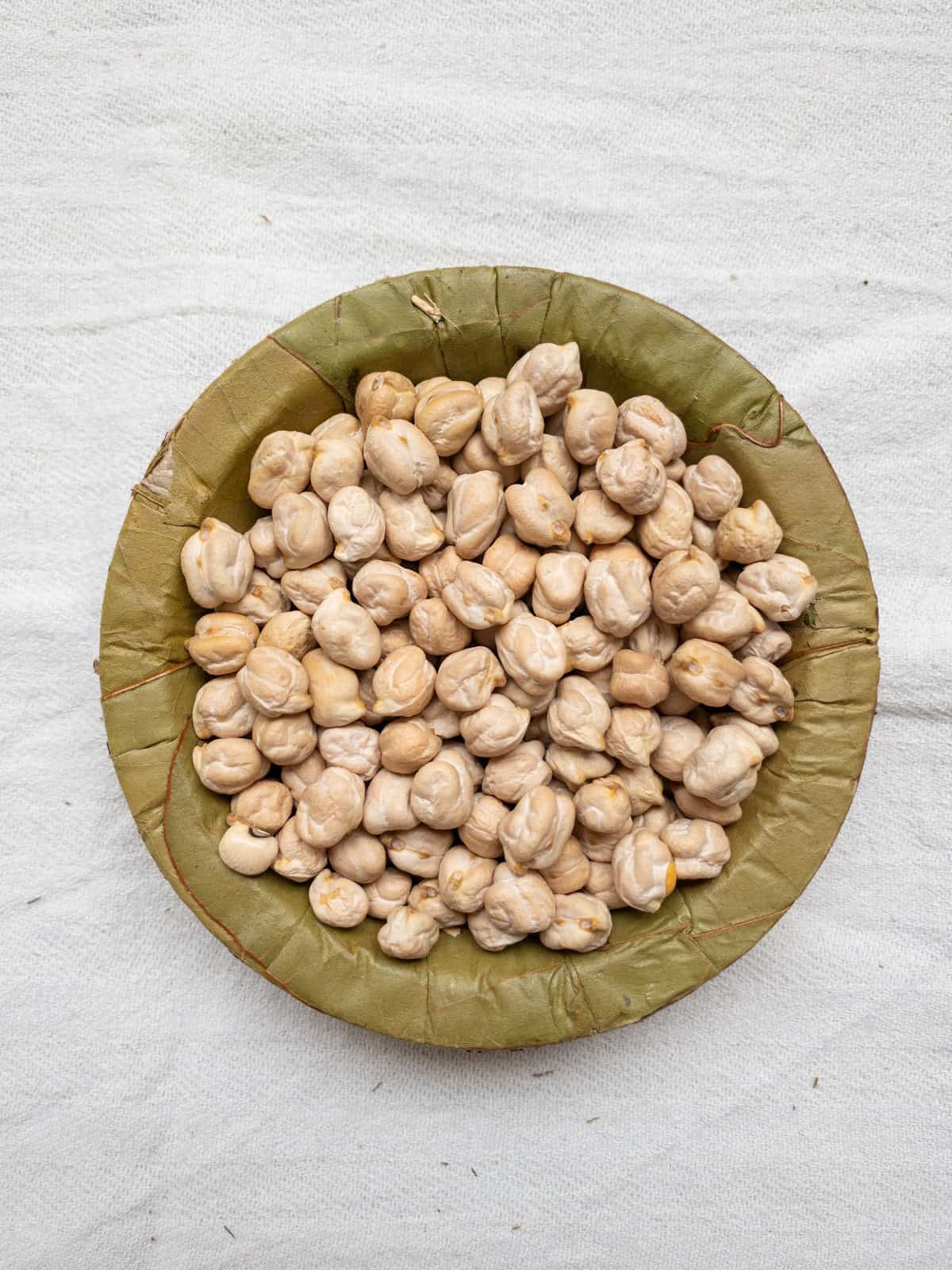
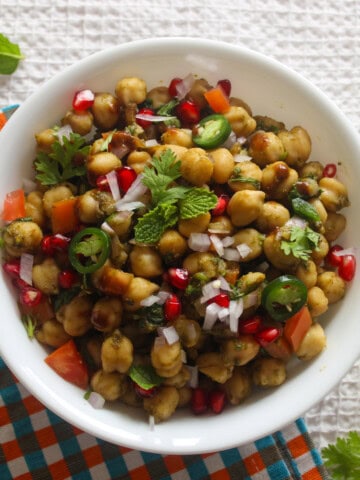
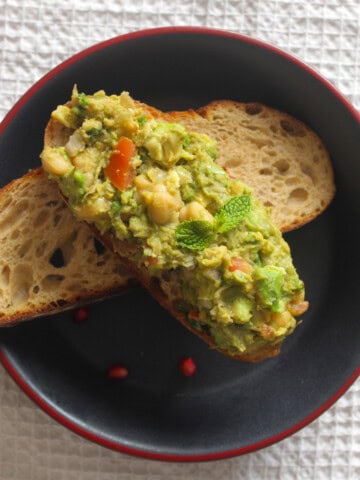
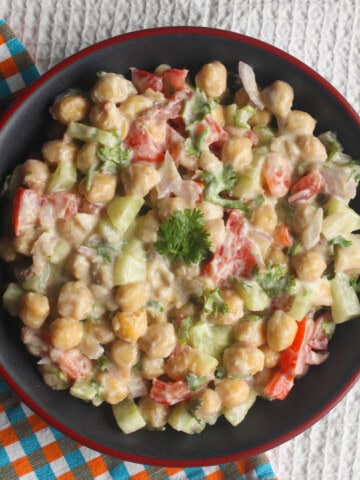
Kabuli chana, also called chickpeas, is one of the most useful legumes to keep in the pantry. It holds its shape after cooking and works well in curries, rice dishes, salads, and snacks.
Chickpeas are used in chana aloo, chickpea curry, chickpea rice, and many simple salads. I like batch cooking chickpeas and freezing them in small portions. Then I can use them for a curry one day and a salad another day.
Recipes to try:
Black-Eyed Peas (Lobia)
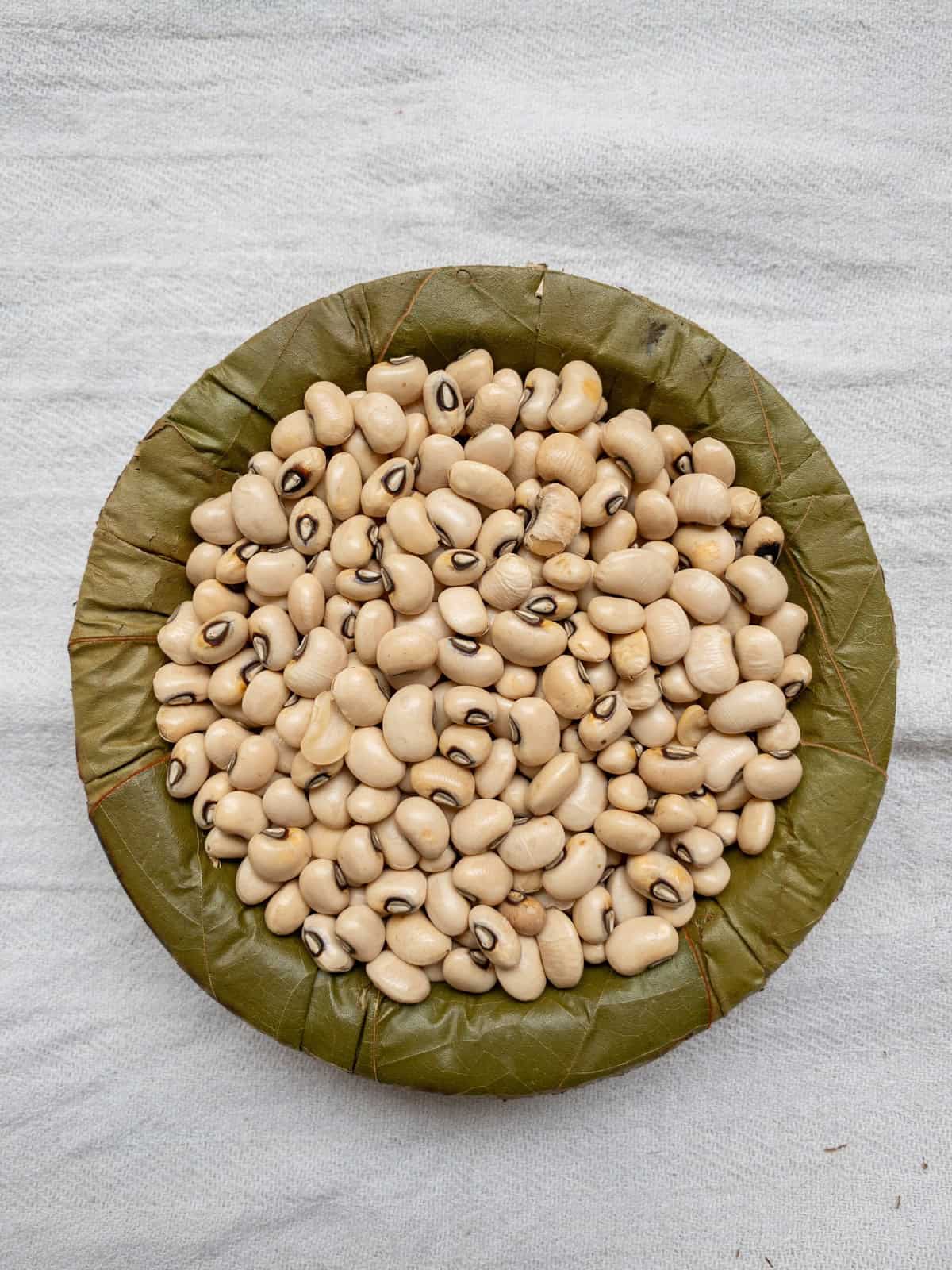
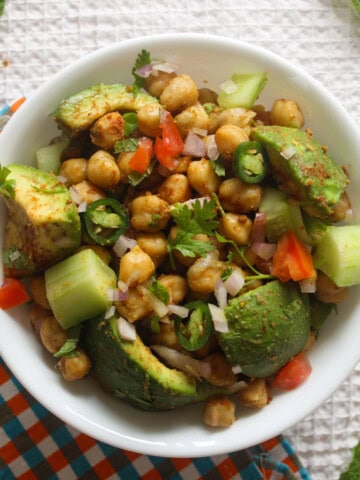
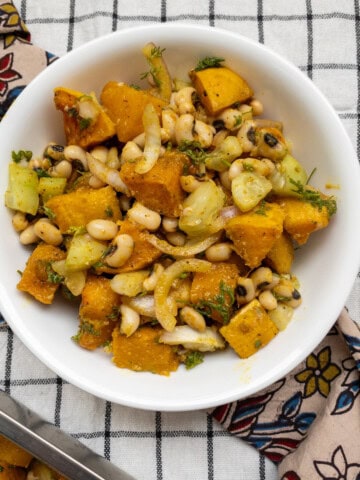
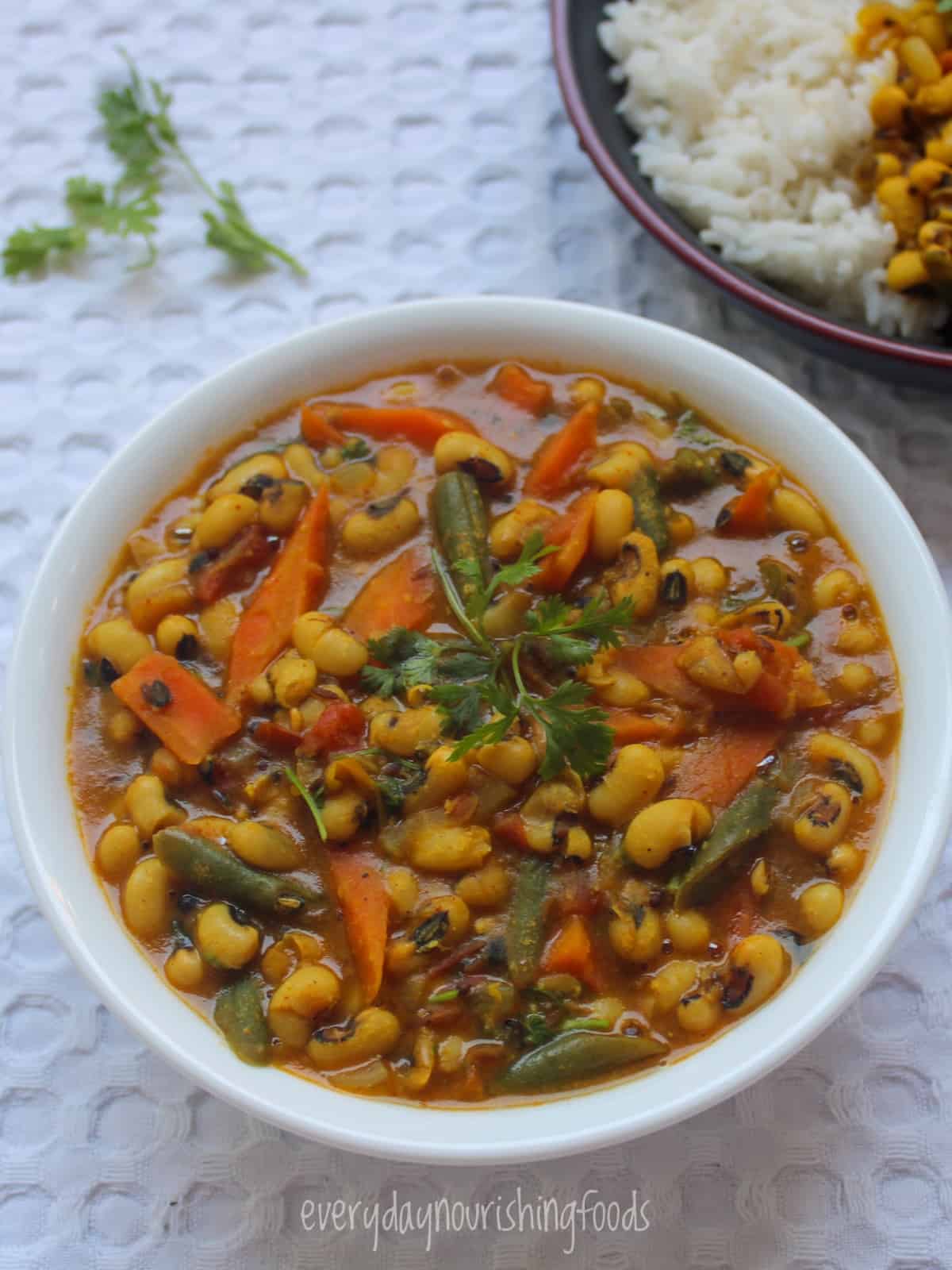
Lobia, also called black-eyed peas, cooks faster than many other beans. It becomes soft and creamy, so it works well in curries, soups, and dips.
This is a good bean to use when you want a comforting curry but do not want to cook something as long as rajma or chickpeas. Black-eyed peas also work well in lighter recipes. You can use them in soups, salads, or even a simple dip.
Recipes to try:



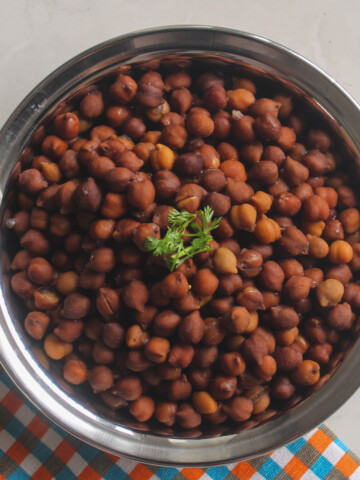
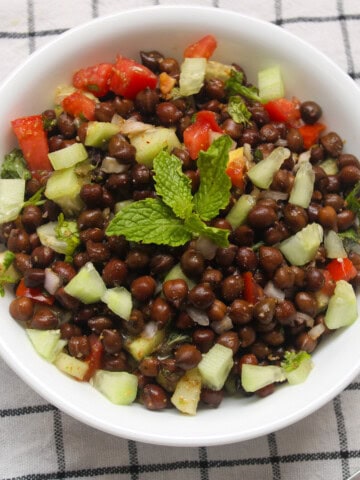
Black Chickpeas(Kala Chana)
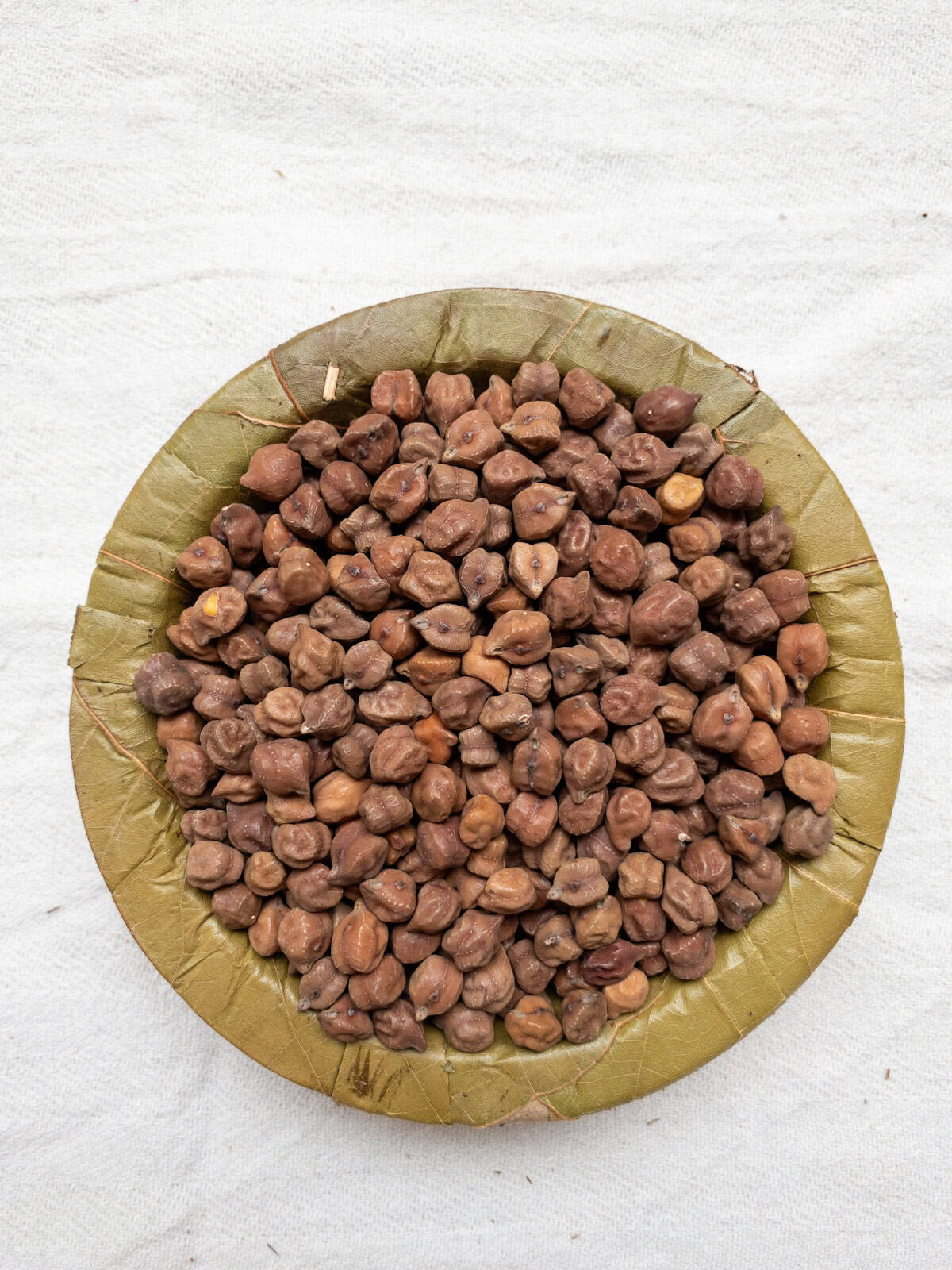
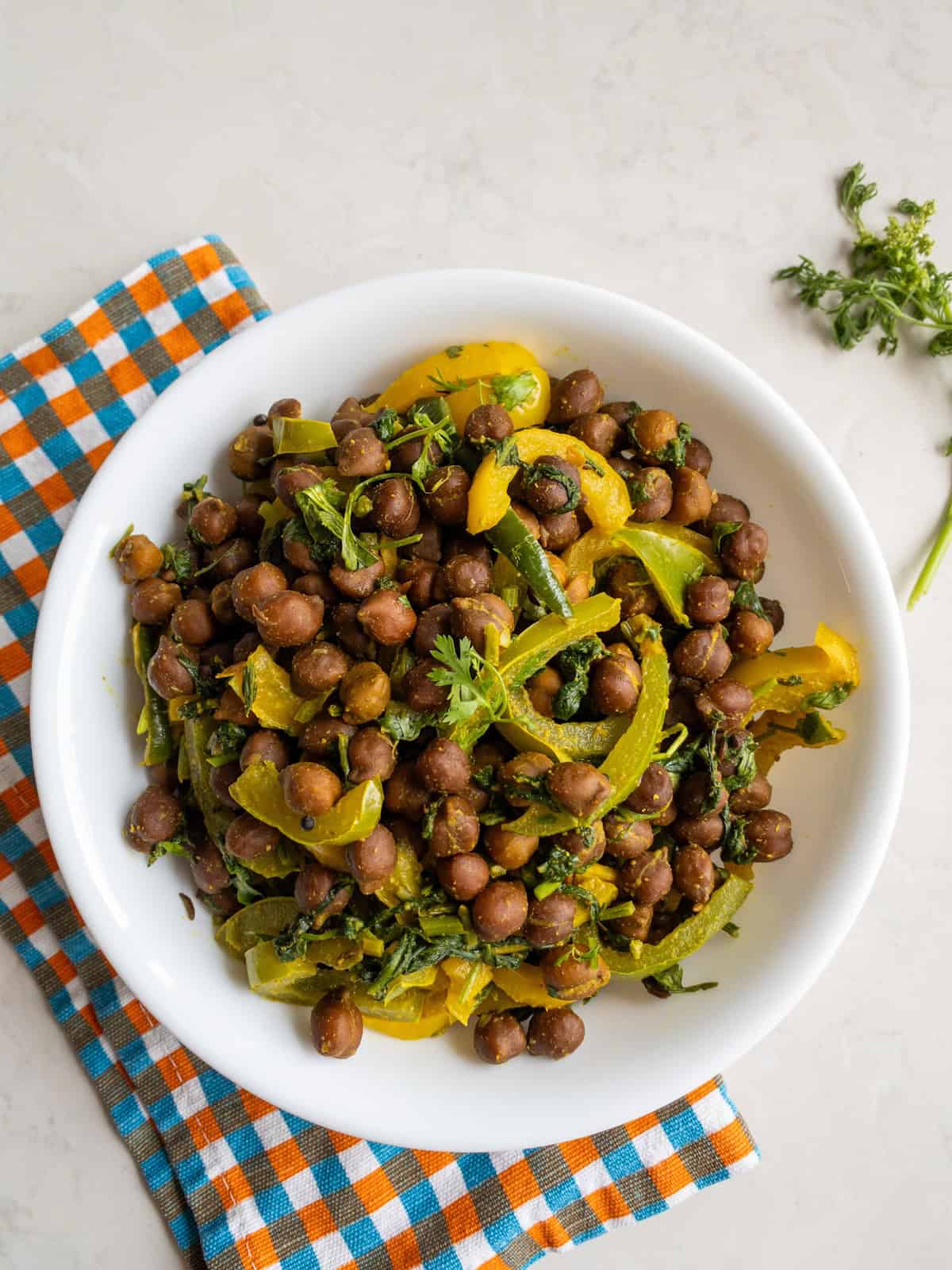
Kala chana is smaller and firmer than regular chickpeas. It has a deeper flavor and keeps its shape well after cooking. It works well in dry curries, salads, chaat-style dishes, and simple South Indian sundal-style preparations.
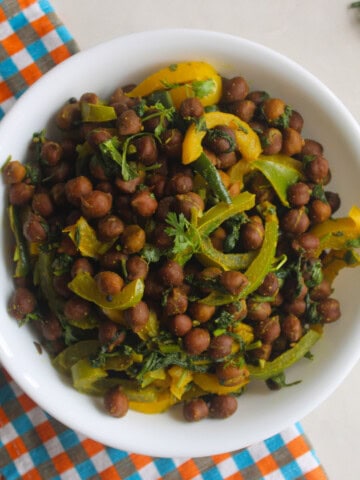
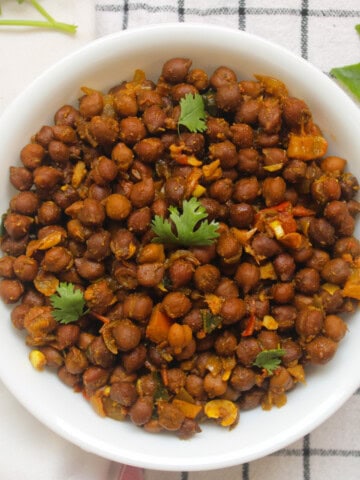
I like using cooked kala chana for quick weekday meals because it does not need a heavy curry base. You can stir-fry it with vegetables, add it to salads, or make a simple curry.
Recipes to try:
Black Beans
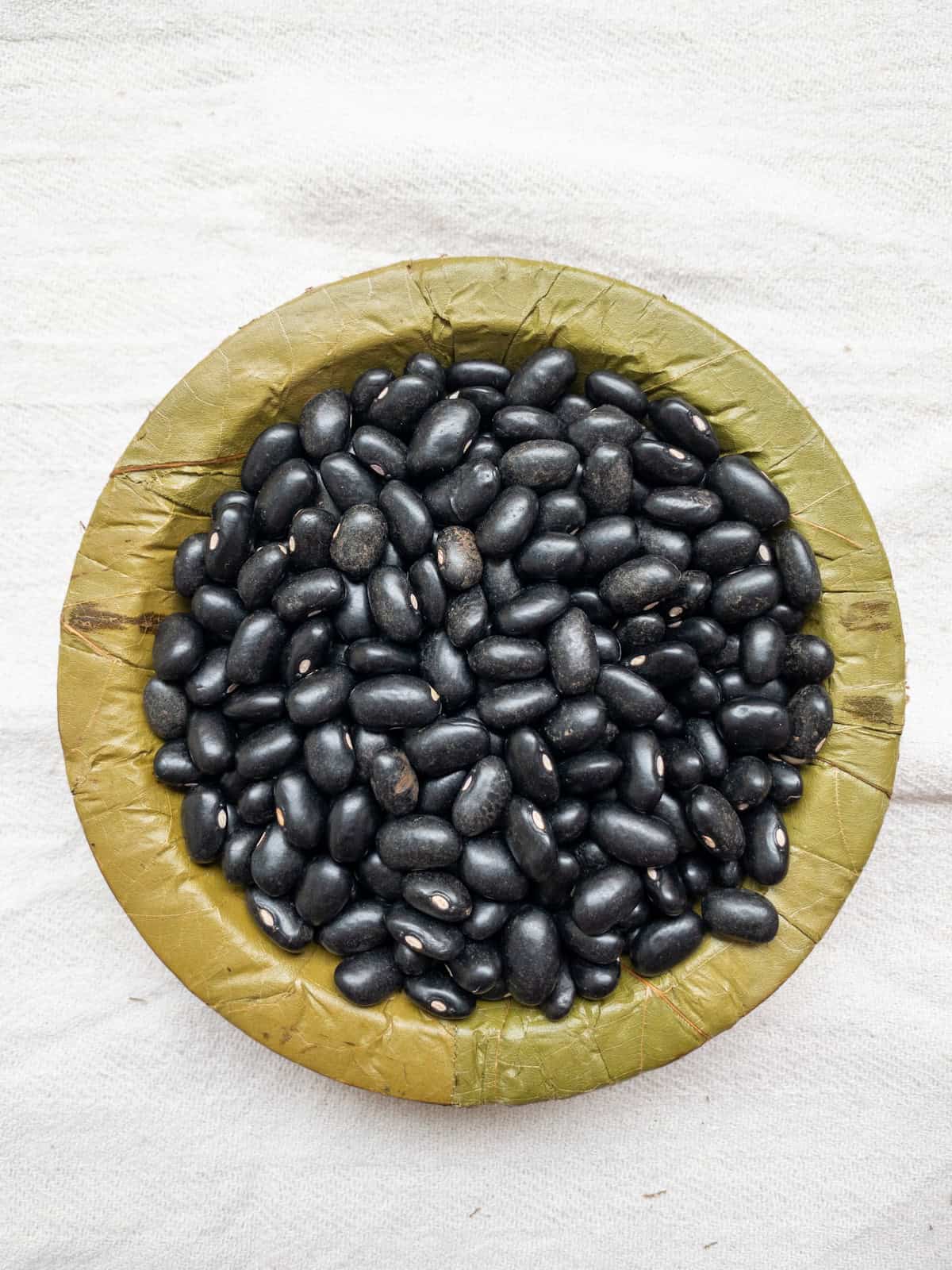
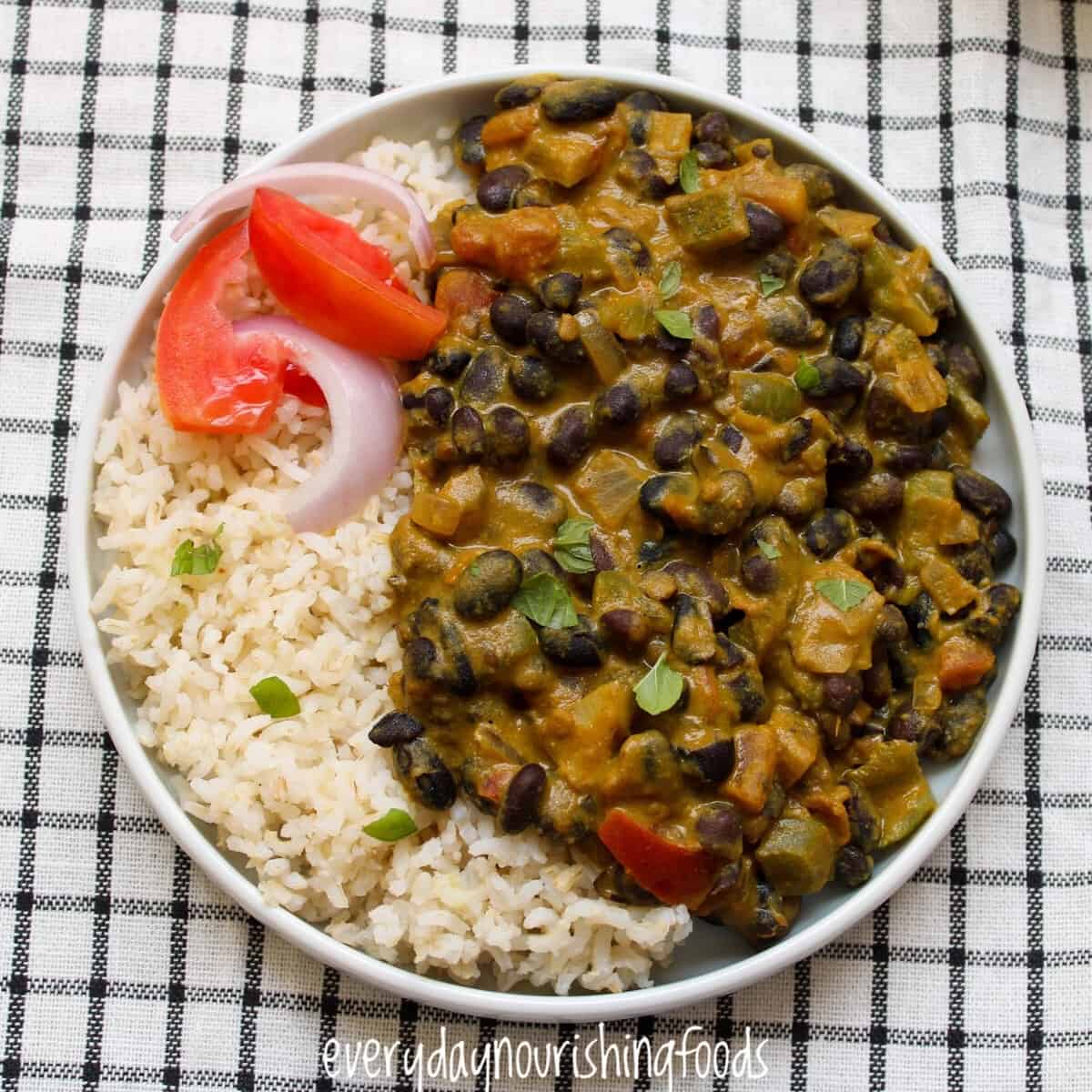
Black beans are not used in traditional Indian cooking as much as rajma or chana, but they work very well with Indian spices. They become soft and hearty after cooking and are good for curries, rice dishes, wraps, and salads.
I use black beans when I want a simple bean curry or a quick rice meal. They also pair well with avocado, cucumber, tomato, and lemon in fresh salads.
Recipes to try:



Yellow Peas (Matar - Vatana)
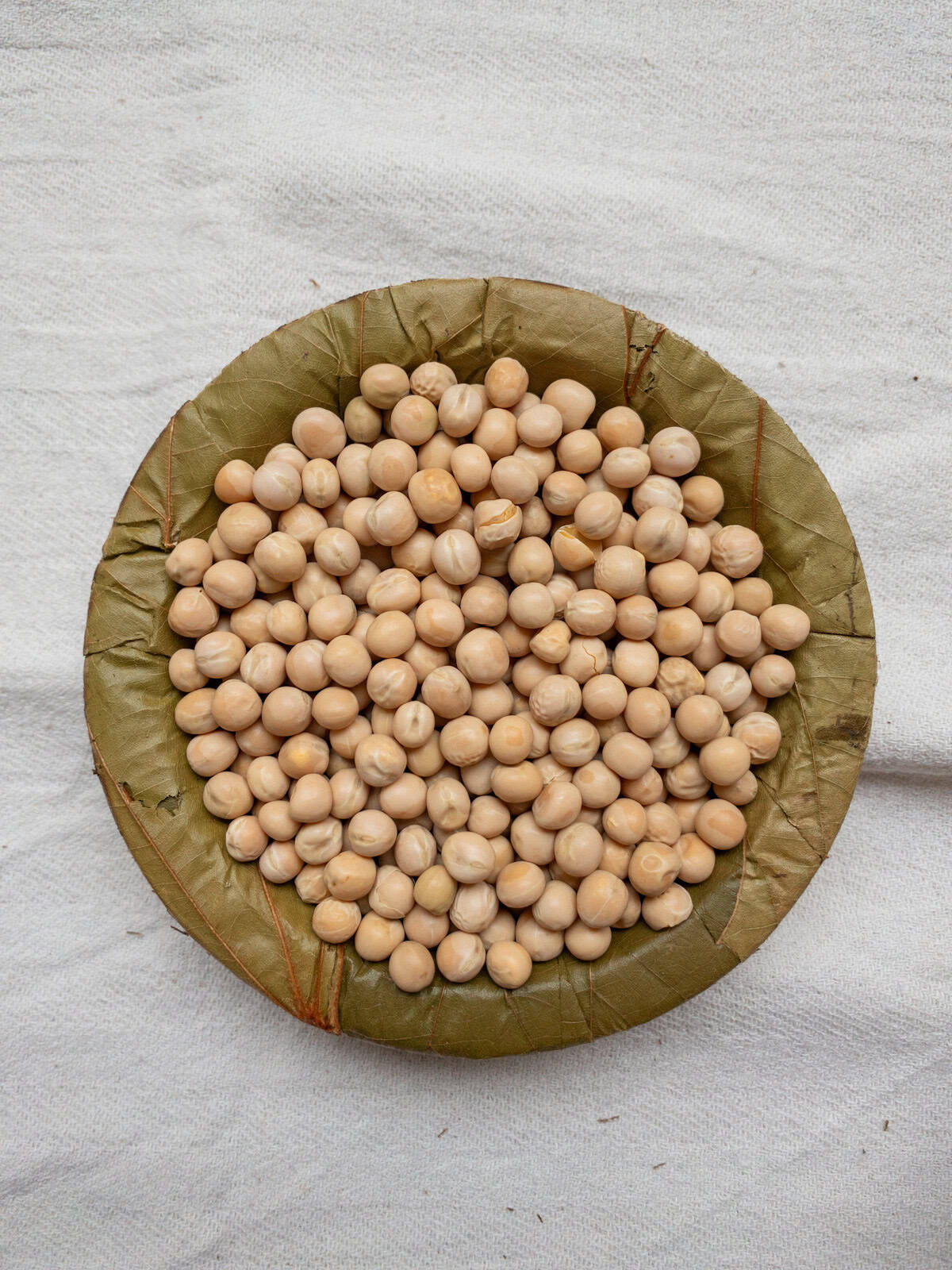
Dried yellow peas are used in many Indian street-style dishes. Once cooked, they become soft and saucy. They are commonly used in matar kulcha, ghugni, ragda, and simple matar curry.
Yellow peas are different from fresh green peas. They are dried and need soaking before cooking.
Recipes to try:

Whole Mung Beans (Sabut Moong)

Whole mung beans are small green legumes. They cook faster than many larger beans and are also commonly sprouted. You can use whole mung beans in curries, kitchari, salads, and sprouts-based dishes.
They are very useful for everyday cooking because they do not feel as heavy as some larger beans and can be cooked quickly after soaking.
Recipes to try:



Horse Gram (Kulith - Kollu)
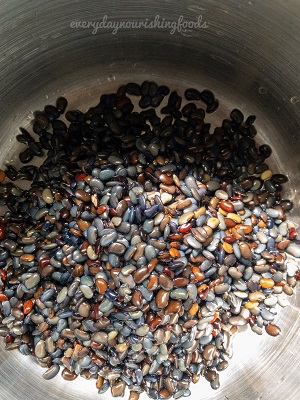
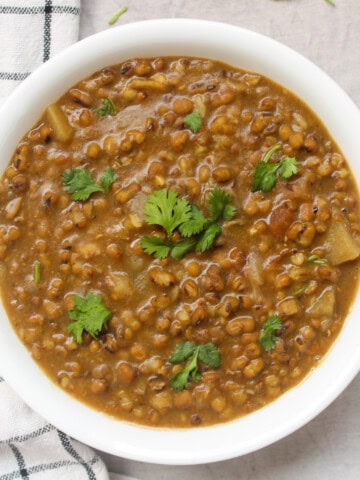
Horse gram is a small brown legume with an earthy taste. It is used in different regional Indian recipes, especially rasam, soups, and simple curries.
It takes longer to cook than many small beans, so soaking helps.
Horse gram has a strong flavor, so I like using it in recipes where the cooking liquid is also used, like rasam or soup.
Recipes to try:

Moth Beans (Matki)
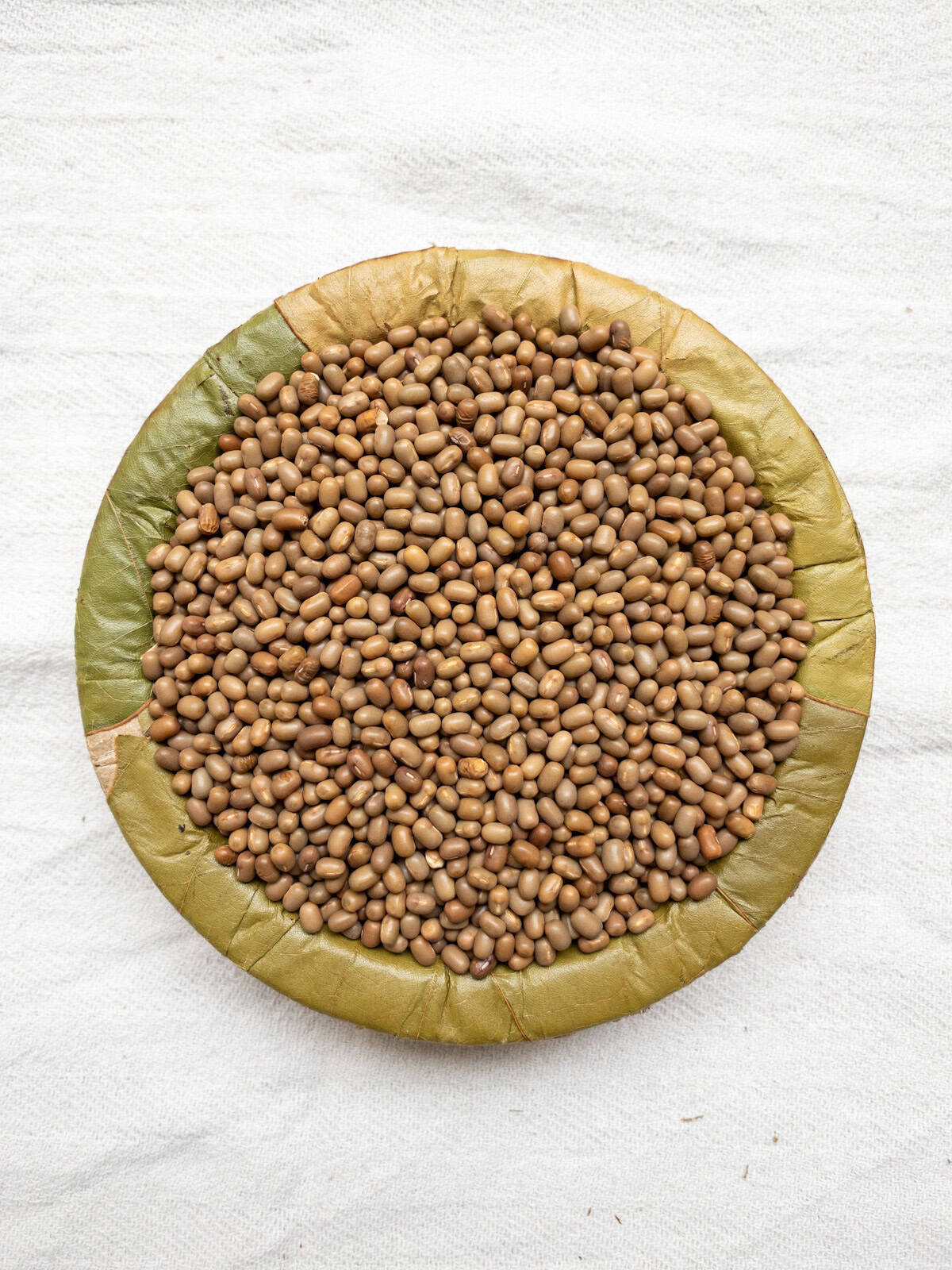
Moth beans are small brown beans. They are often sprouted and used in Maharashtrian-style usal and simple curries. They have a nutty flavor and a nice texture after cooking.
If you are new to moth beans, try them first as sprouts or in a simple curry with onion, tomato, ginger, and basic spices.
How to Cook Indian Beans and Legumes
Most Indian beans need a little planning because they take longer to cook than split dals. The basic process is simple: rinse, soak, and cook until soft.
Soaking helps whole beans cook more evenly. It is especially useful for rajma, chickpeas, kala chana, black beans, and horse gram. Smaller legumes like black-eyed peas, whole mung beans, and moth beans usually cook faster, but soaking still helps with texture.

If you are new to cooking beans, start with my how to soak beans and legumes guide. It explains soaking times, quick soaking, and what to do if you forget to soak them.
For cooking, I usually use the Instant Pot because it gives consistent results and is helpful for weekly meal prep. My Instant Pot beans and legumes guide has the cooking times, water ratios, and notes for different beans like rajma, chickpeas, kala chana, black beans, and black-eyed peas.
If you are new to using the Instant Pot for Indian cooking, start with my Instant Pot basics for Indian cooking guide first. It will help you understand pressure cooking, natural pressure release, quick release, and simple tips that are useful for beans, dals, rice, and curries.
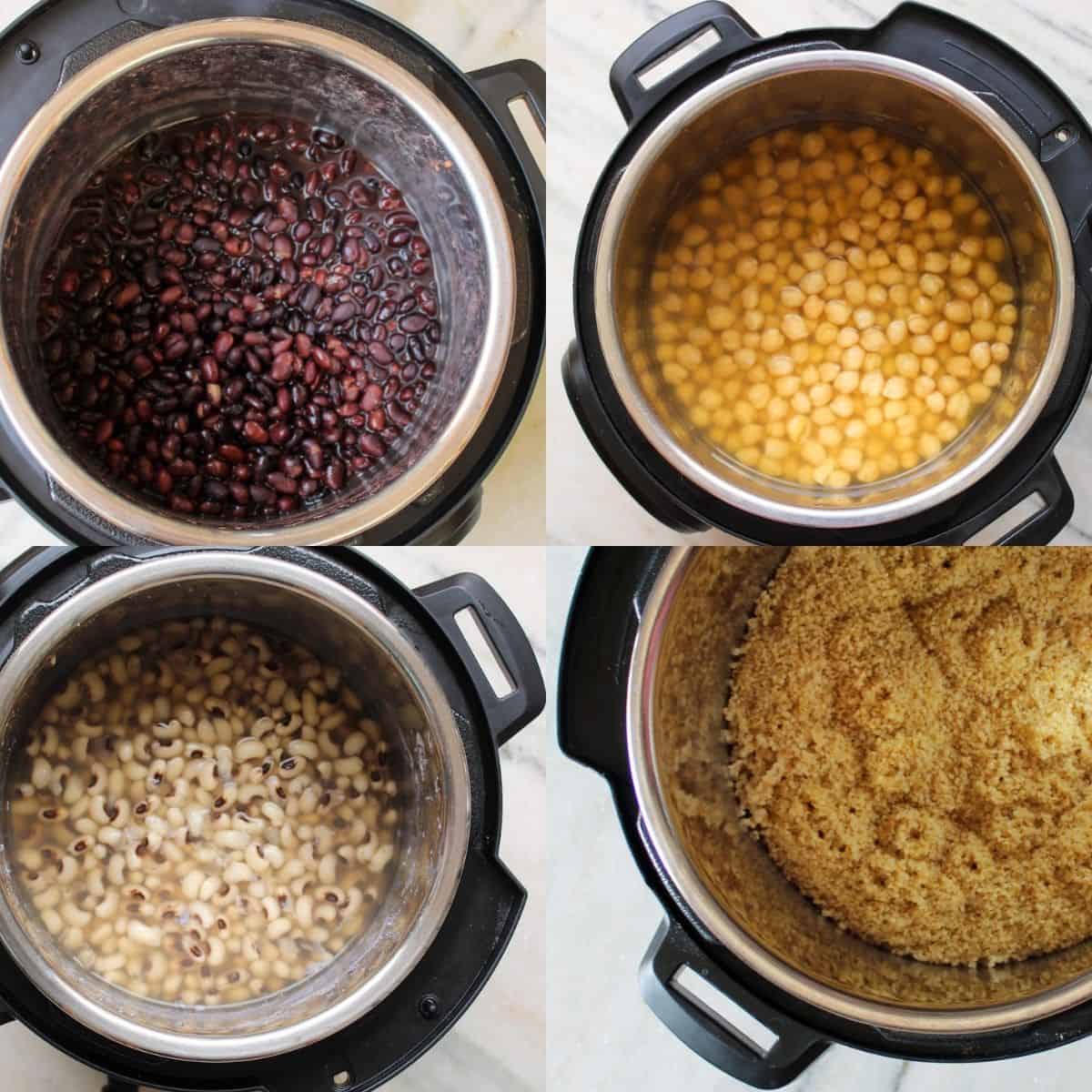
For curries like rajma and chana masala, cook the beans until they are soft enough to mash slightly. This helps the curry become thick and flavorful. For salads, cook the beans until soft but not mushy, so they hold their shape.
Dried Beans vs Canned Beans
You can use both dried beans and canned beans in Indian cooking.
I usually cook dried beans from scratch because I can control the texture and store them in portions. But canned beans are useful when you need a quick meal.
Use dried beans when:
- You are making rajma, chana masala, or a thick curry
- You want to batch cook and freeze
- You want to use the cooking liquid in the curry
- You are cooking for meal prep
Use canned beans when:
- You are making a quick salad
- You need a fast lunch
- You are adding beans to a stir-fry or rice dish
- You do not have soaked beans ready
If using canned beans, rinse and drain them before adding them to the recipe.
For curries, simmer canned beans with the masala for a few extra minutes so they absorb the flavor.
How I Use Beans for Weekly Meal Prep
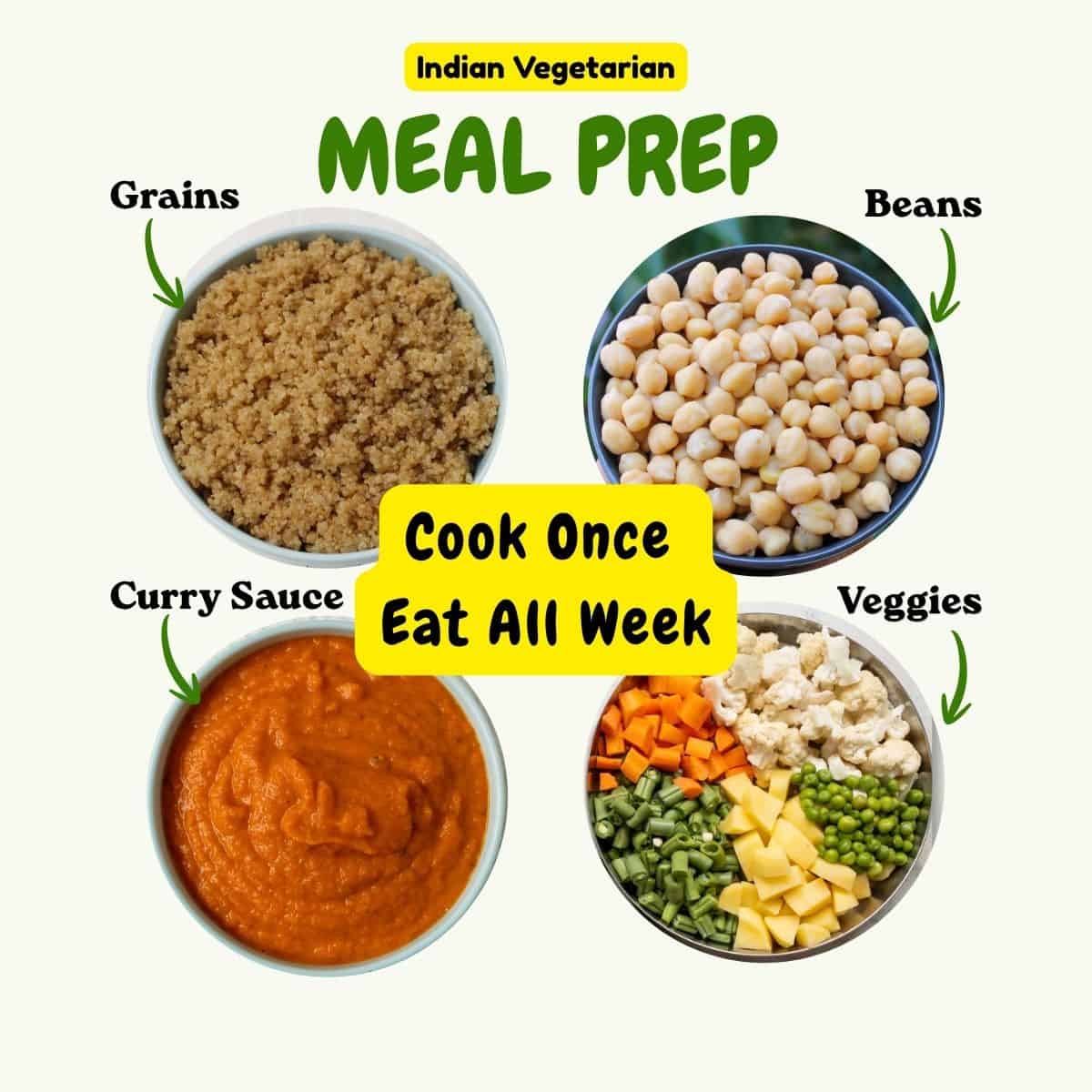
Cooked beans are one of the easiest things to keep ready for weekly meal prep. I usually soak one or two types of beans overnight, cook them in the Instant Pot, and store them in the fridge or freezer.
Once the beans are cooked, they can quickly become curries, rice dishes, salads, wraps, soups, or lunch bowls. I like freezing them in 1 to 1.5 cup portions so I can use only what I need for one recipe.
For more ideas on planning simple Indian meals ahead of time, check my weekly meal prep guide.
How to Store Cooked Beans
Cooked beans store well if cooled and packed properly.
In the refrigerator
Store cooked beans in an airtight container for up to 3 days. Keep some cooking liquid with the beans so they do not dry out.
In the freezer
Freeze cooked beans in small portions. I usually freeze them in the quantity I use for one recipe. This way, I do not need to thaw a big batch.
To use frozen beans, thaw them in the fridge or add them directly to soups and curries while cooking.

What to Make with Cooked Beans
Once you have cooked beans ready, they can quickly turn into many everyday meals.
Bean Curries
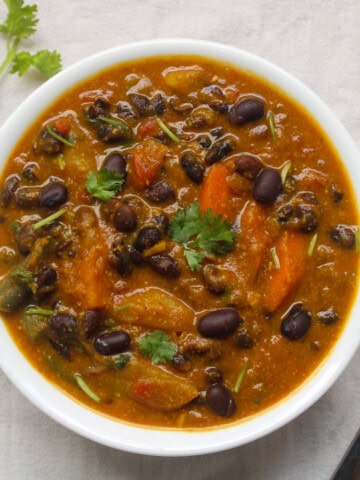
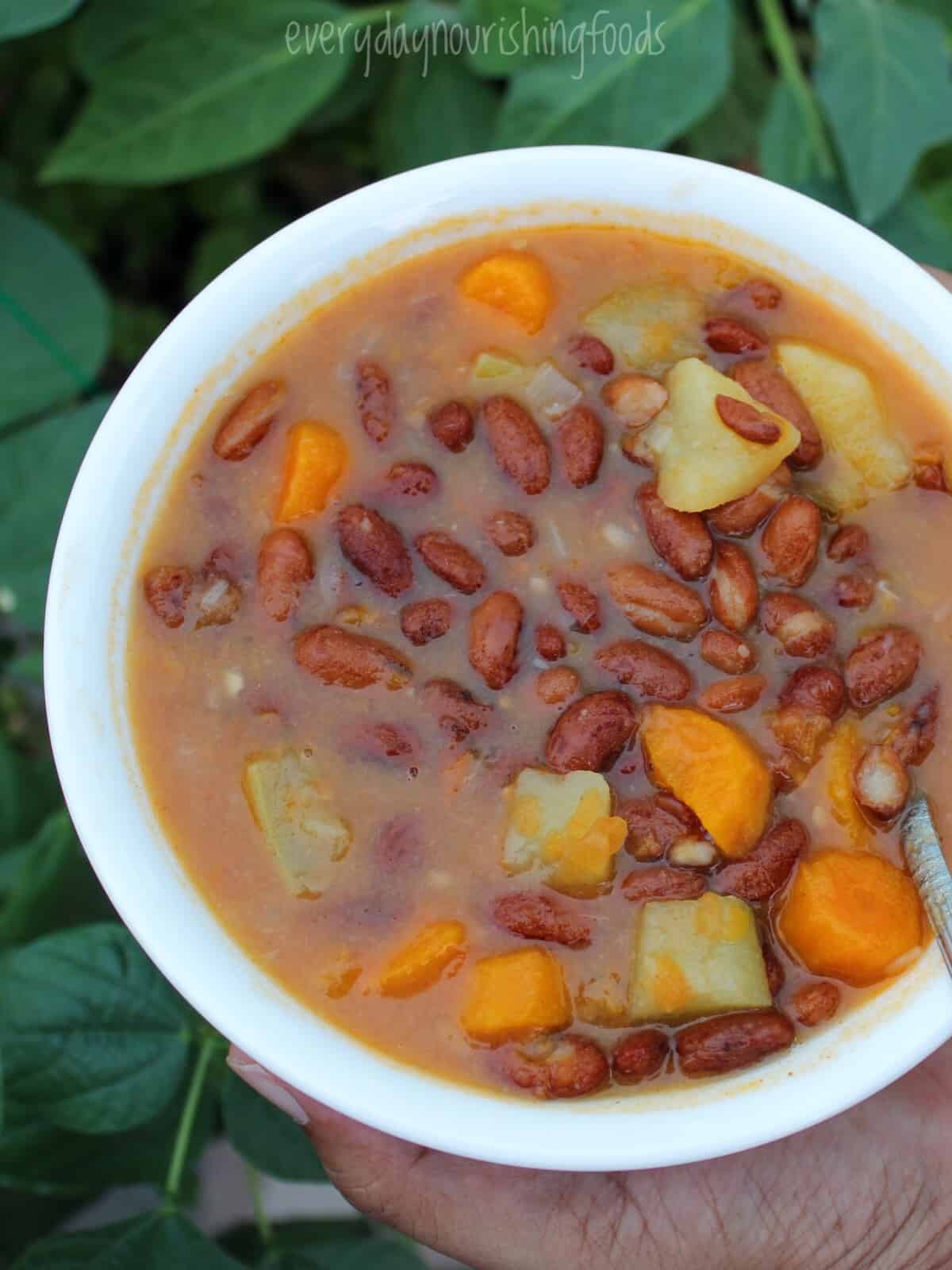
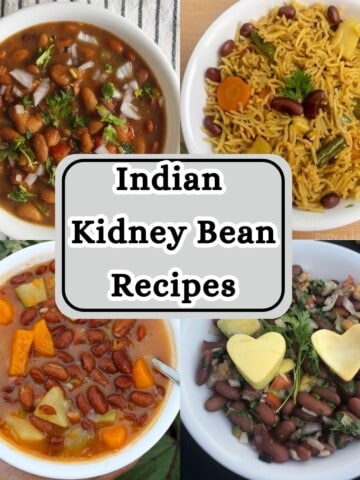
Use cooked beans with onion, tomato, ginger, garlic, and simple Indian spices to make a quick curry. Kidney bean vegetable curry, chickpea kale curry, black bean pumpkin curry, and whole mung bean curry are good options.
Rice Dishes
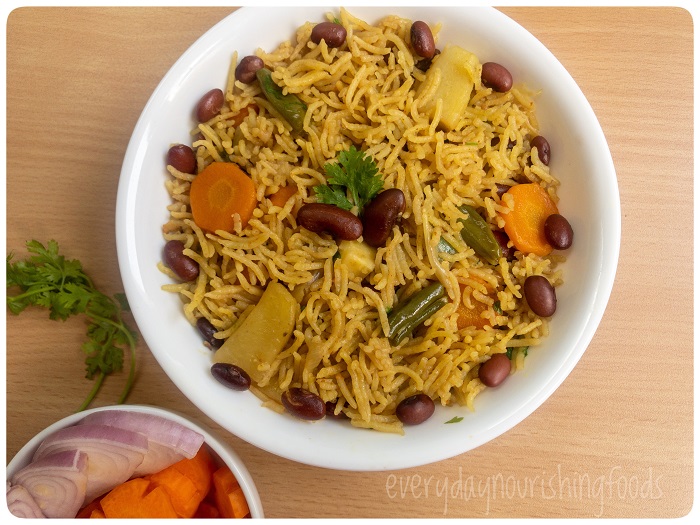
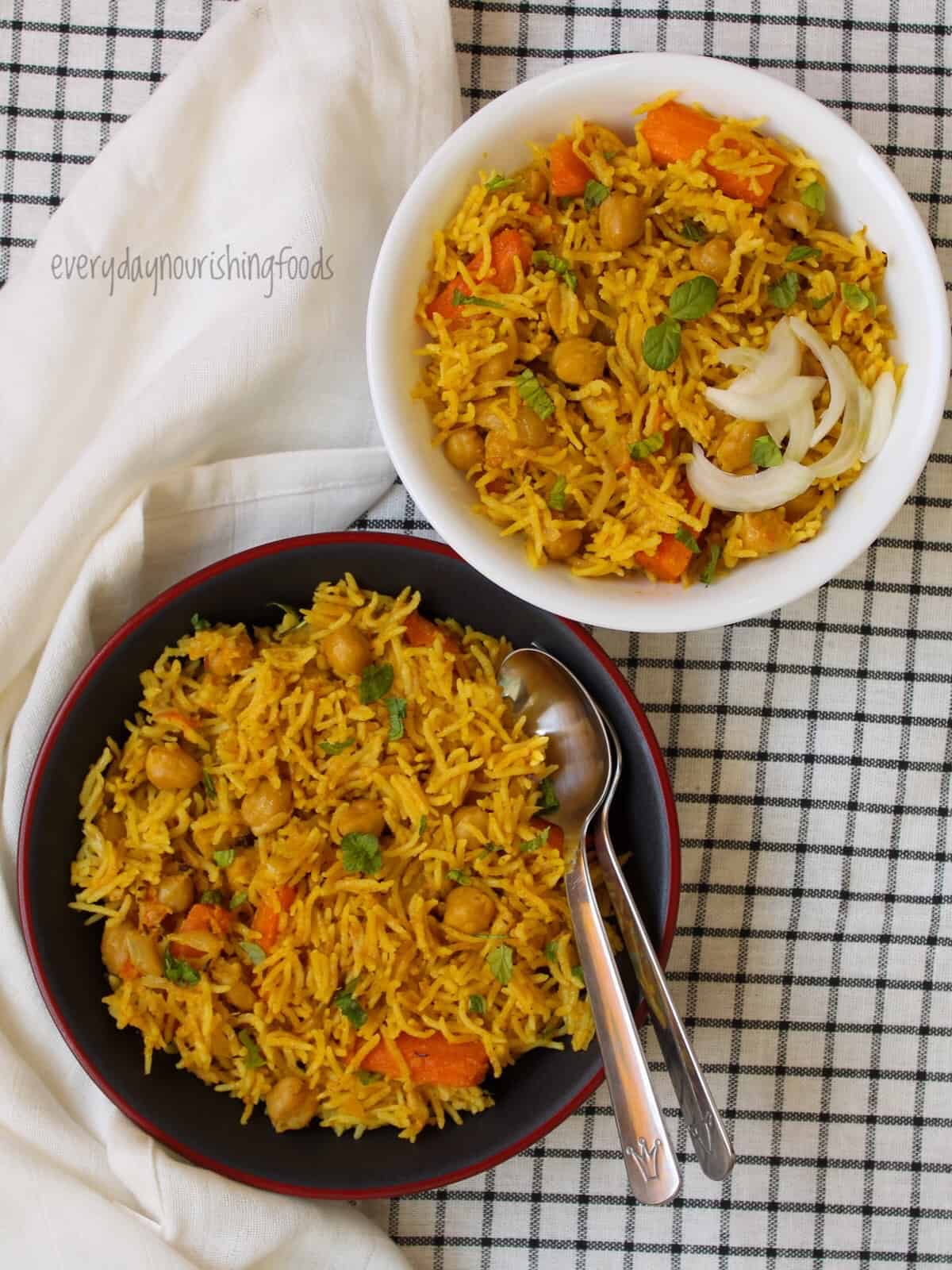
Cooked beans work well in one-pot rice meals and simple pulao-style dishes. You can make rajma rice, chickpea rice, black beans rice, or rice with vegetables and cooked beans.
Salads
Cooked beans are useful for quick salads. Add cucumber, onion, tomato, herbs, lemon juice, and a few spices for an easy side dish or light meal.
Soups
Beans also work well in soups. Kidney beans, black-eyed peas, chickpeas, and horse gram can all be used in simple Indian-style soups.
Wraps and Toast
Mashed beans can be used in chapati wraps, sandwiches, and toast. Leftover rajma or kidney bean mash works especially well for this.
Indian Bean and Legume Recipes to Try
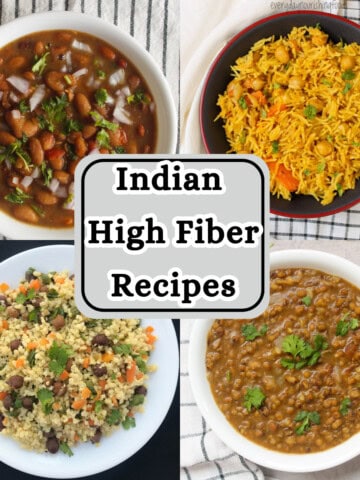
Once you understand the different beans, it becomes easier to use them in everyday meals. Here are some of my favorite ways to use cooked beans and chickpeas.
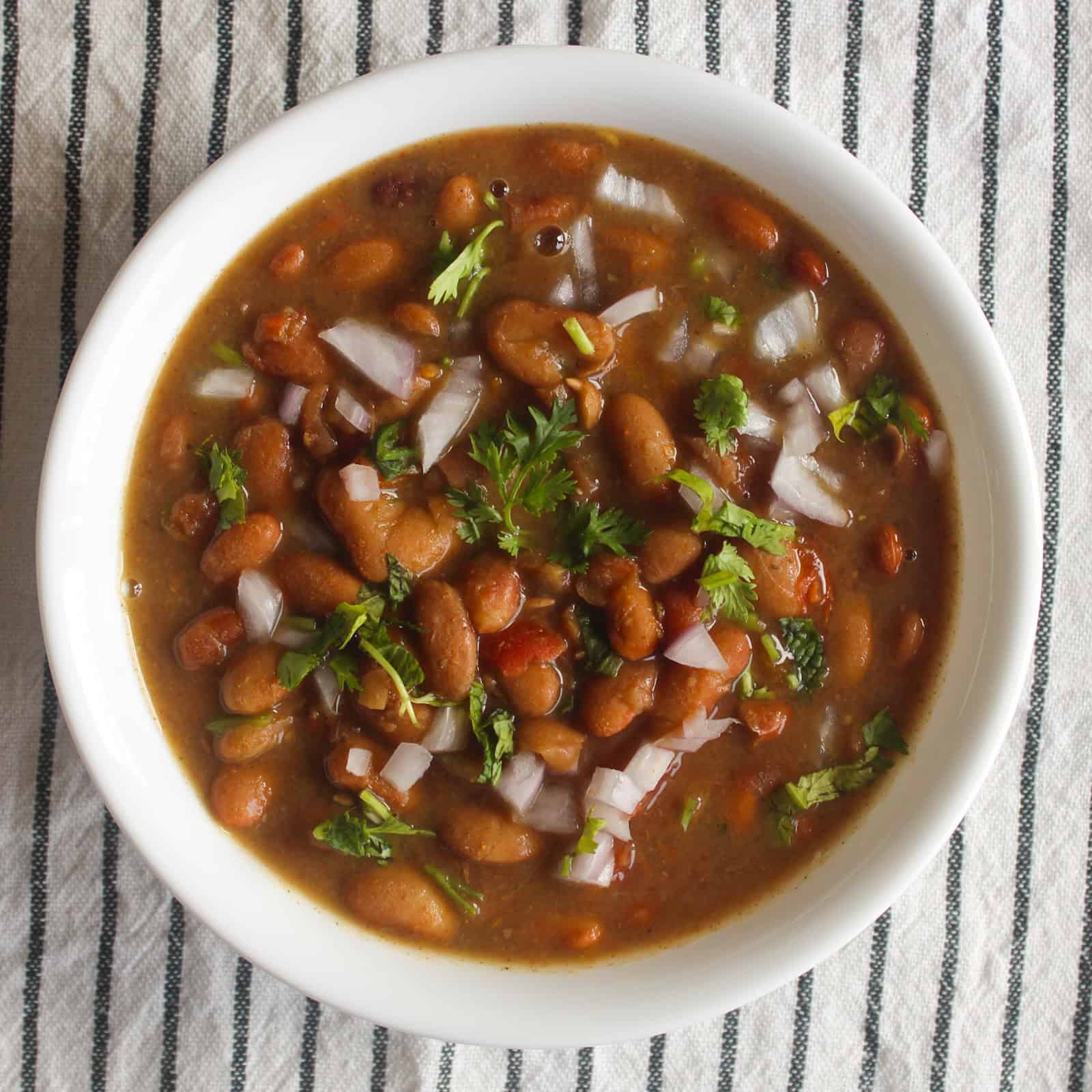
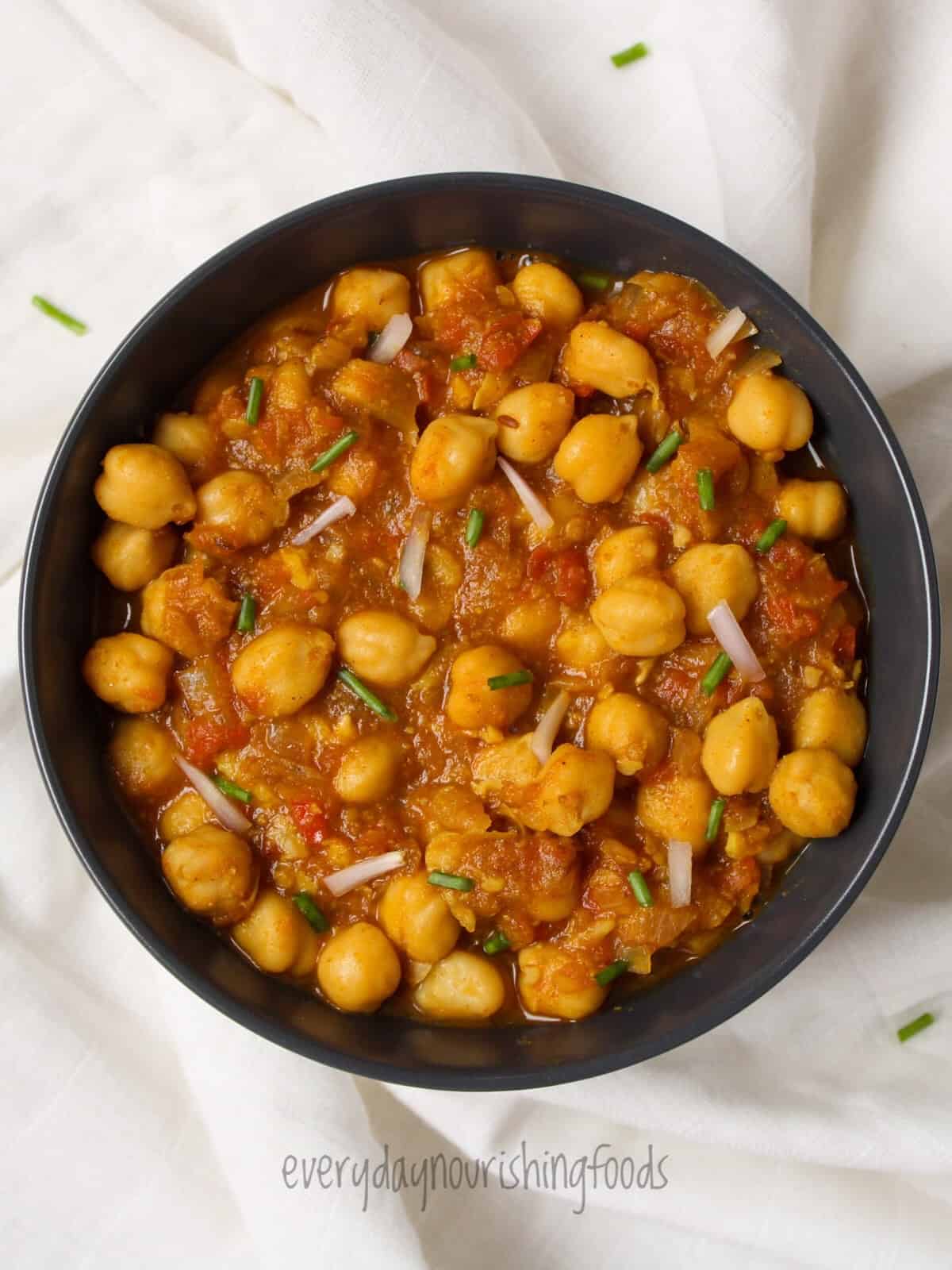
Classic Bean Curries
These are warm, comforting curries that work well with rice, chapati, roti, or paratha.
Want to Save This Recipe?
Instant Pot Bean Recipes and Guides
If you cook beans often, the Instant Pot is very useful. It helps cook beans evenly and makes weekly meal prep easier.
Start with these guides:
- Instant Pot Kala Chana (Brown Chickpeas)
- Instant Pot Steamed Sprouts (No Steamer Basket Needed!)
- Instant Pot Black Beans: The No-Fuss, Zero-Waste Guide (Soaked & No-Soak)
- Instant pot black eyed peas (Soaked & Dried)
- Instant Pot Red Kidney Beans (Soaked and Dried)
- Instant pot Chickpeas (Garbanzo beans) - Soaked & Unsoaked


You can use these cooked beans in Indian curries, Indian salads, rice dishes, soups, wraps, and lunch bowls.
Rice and One-Pot Bean Meals
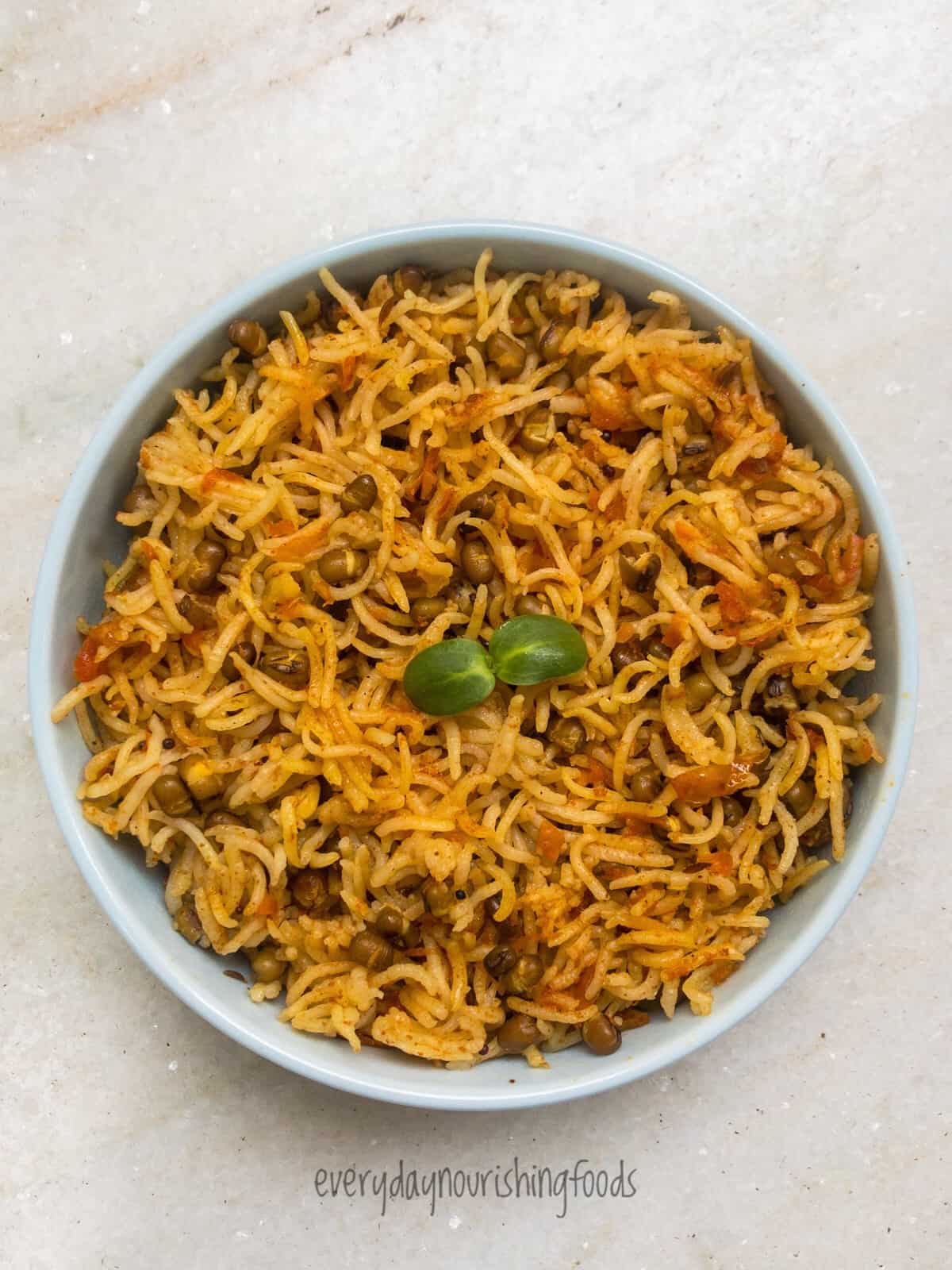
Beans and rice are a practical combination for Indian meals. These recipes are useful when you want a simple one-pot meal or lunchbox-friendly dish.

Salads, Dips, and Lighter Meals
Beans are not only for curries. I also use them in salads, dips, toast, and quick lunch bowls, especially when I already have cooked beans ready.
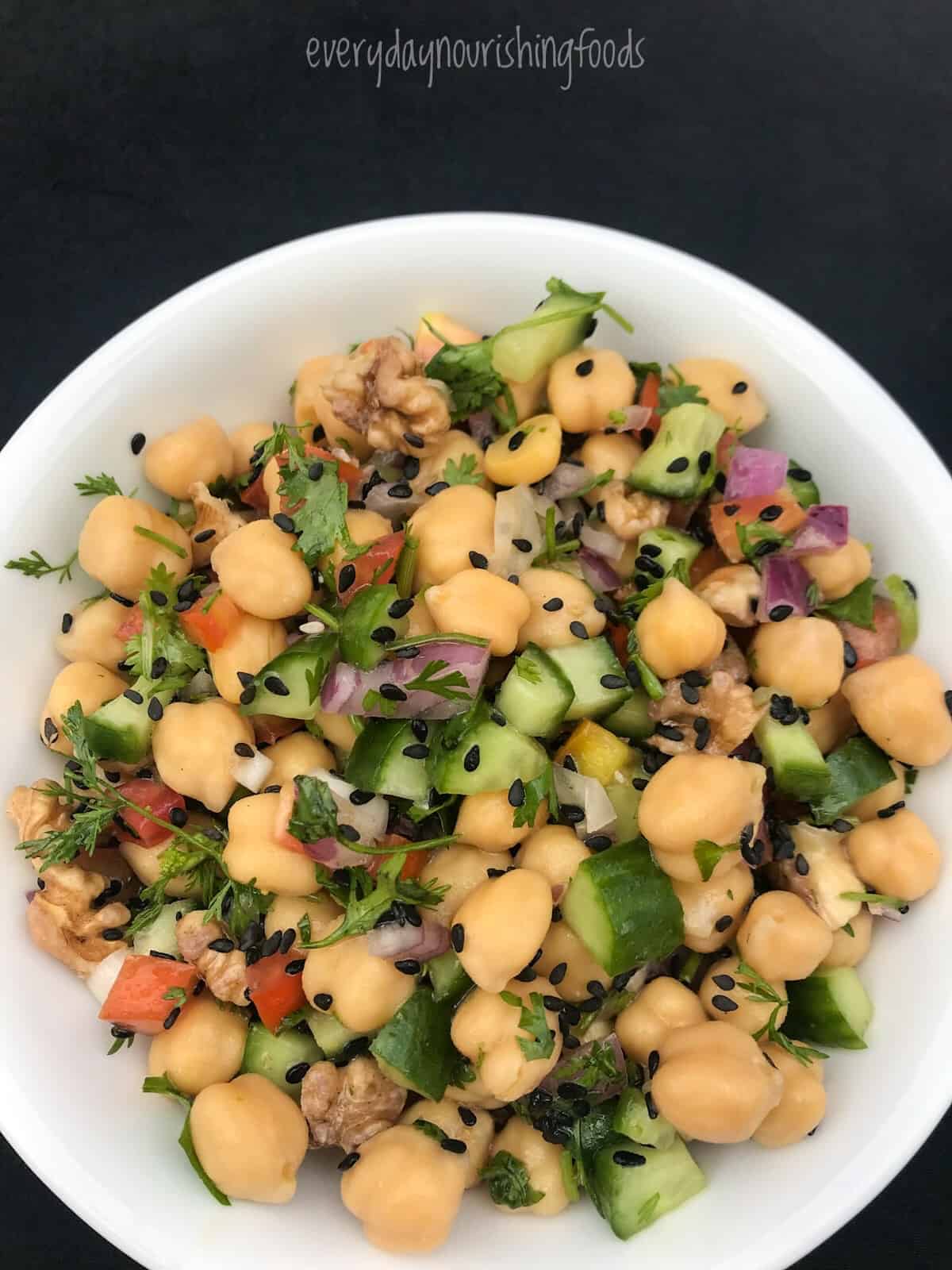


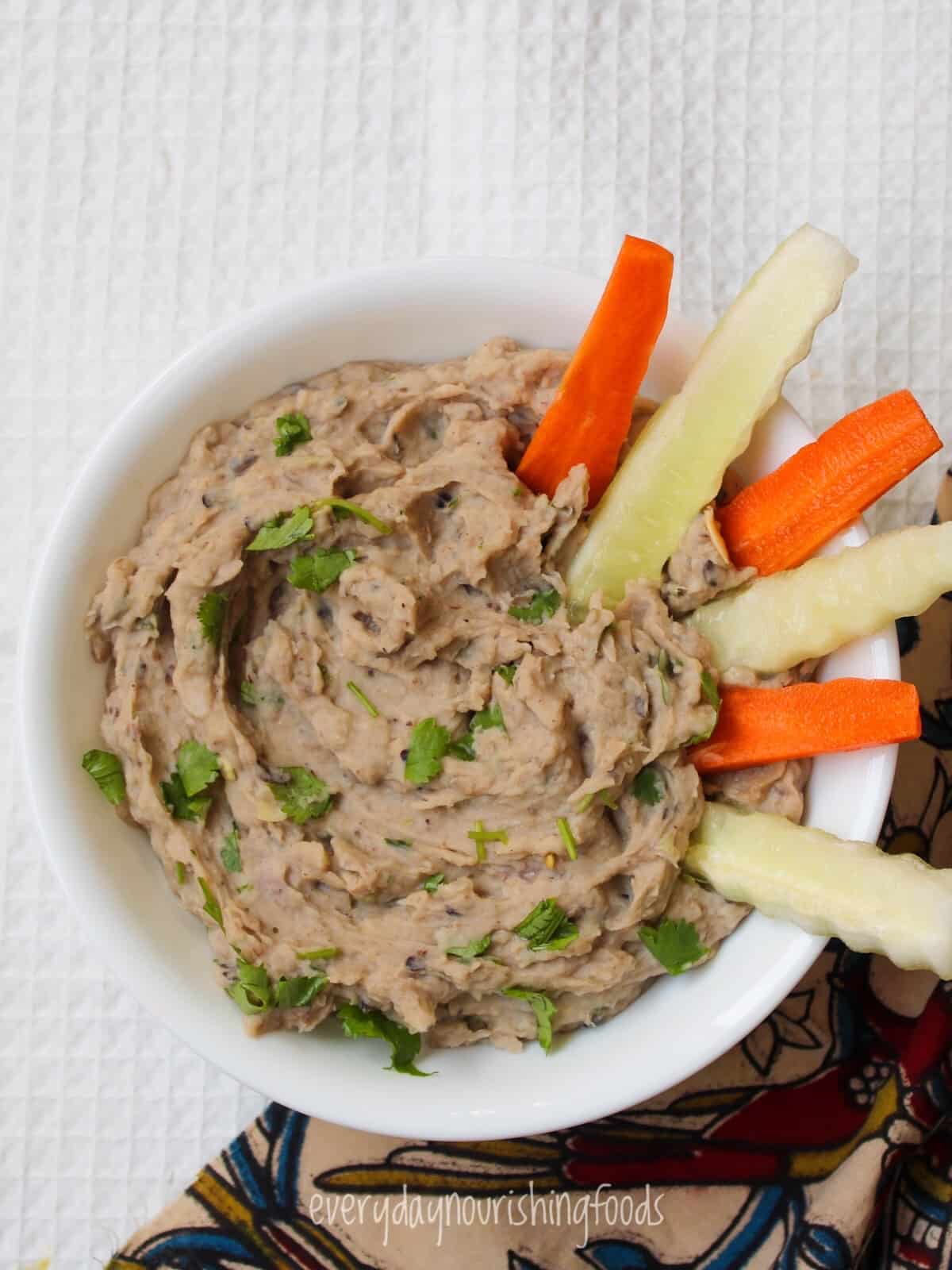
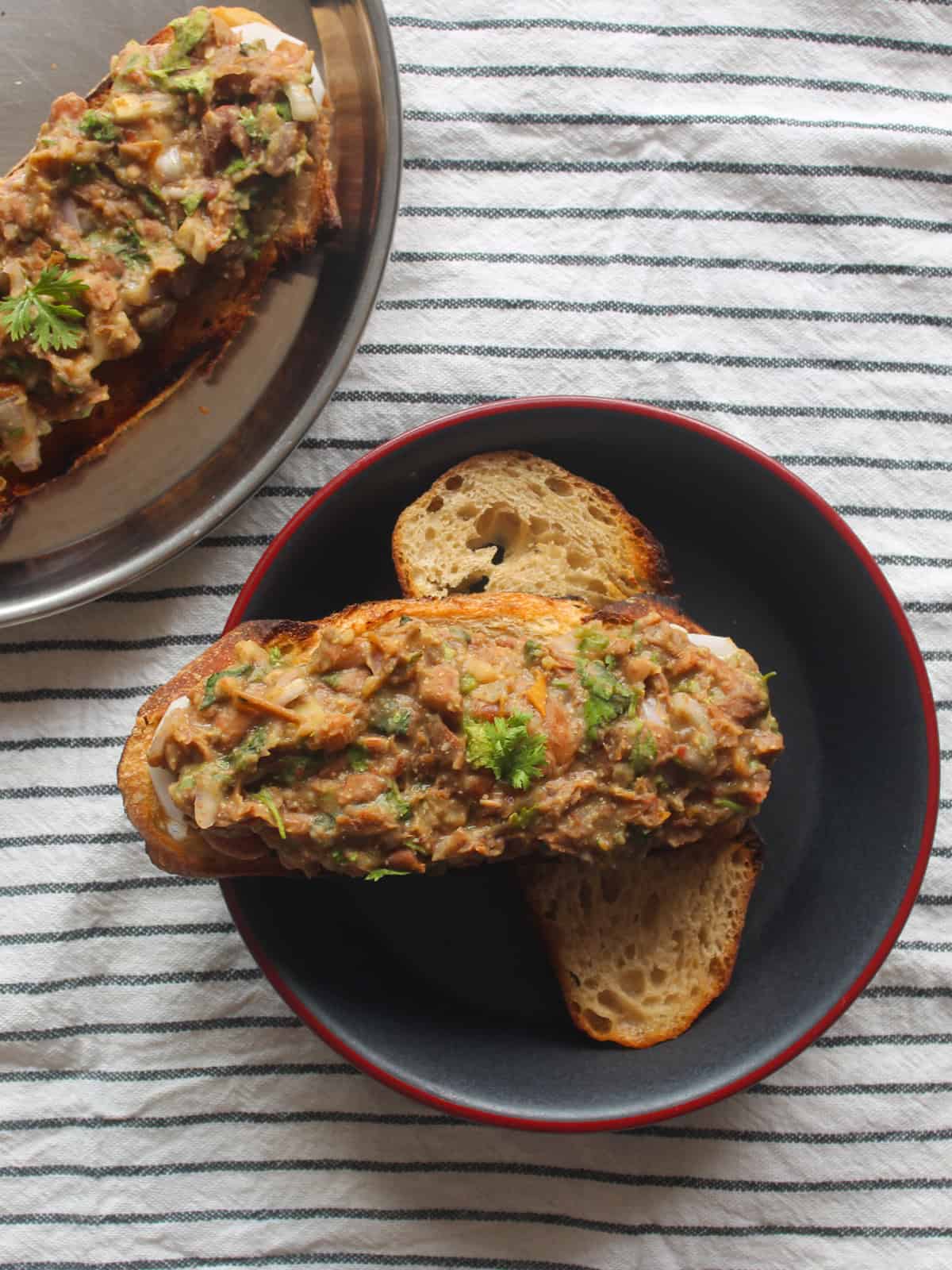
For more ideas, browse all my Indian beans and legumes recipes.
What to Serve with Bean Curries
Indian bean curries pair well with both rice and flatbreads. Rajma, chana masala, lobia curry, and black bean curry all go well with plain basmati rice, jeera rice, millet, chapati, roti, or paratha.
To make it a complete meal, add a simple side like kachumber salad, peanut cucumber salad, tomato onion salad, cabbage stir fry, or raita if you use dairy.

Common FAQs
Beans are one type of legume. Legumes are the larger family that includes beans, chickpeas, peas, and lentils. In Indian cooking, we often use these words loosely. For this guide, I am focusing mainly on whole beans and larger legumes like rajma, chana, kala chana, and lobia.
Dal usually refers to split lentils or split pulses, like toor dal, moong dal, masoor dal, and chana dal. They cook faster and usually become soft and creamy.
Beans are usually cooked whole, like kidney beans, chickpeas, black-eyed peas, and black beans. They need more cooking time and usually hold their shape after cooking.
For most whole beans, yes. Soaking helps them cook more evenly and reduces the cooking time. Rajma, chickpeas, kala chana, black beans, and horse gram are best soaked overnight.
Yes, many beans can be cooked without soaking in the Instant Pot, but they will take longer. For everyday cooking, I prefer soaking because the beans cook better and the timing is more predictable.
Yes, canned beans work well in quick curries, salads, rice dishes, wraps, and toast. For thick curries like rajma and chana masala, home-cooked beans usually give a better texture. But canned beans are useful when you need a quick meal.
Black-eyed peas, whole mung beans, and moth beans usually cook faster than rajma and chickpeas. Rajma, chickpeas, kala chana, black beans, and horse gram usually need longer cooking.
Yes, cooked beans freeze well. Cool them completely and freeze in small portions. You can use frozen cooked beans in curries, rice dishes, soups, salads, wraps, and quick lunch bowls.
Beans and legumes are some of the most useful ingredients in Indian cooking. With a little soaking and planning, they can become curries, rice meals, salads, soups, dips, and quick lunches.
If you are just starting, begin with one bean at a time. Cook a batch of chickpeas, rajma, kala chana, or lobia and use them in two or three different ways during the week.
For more help, start with these guides:
If you find my kitchen-tested tips helpful, click the button to see more of my recipes first when you search on Google!

Leave a Reply