
Do you ever soak beans and still feel unsure if you're doing it right? Learning how to soak beans and legumes is a small kitchen habit that makes everyday Indian cooking easier and more reliable. When beans are soaked properly, they cook evenly, taste cleaner, and work beautifully in curries, soups, and salads.
This method follows the same gentle logic we use when rinsing grains like rice. If you're already comfortable with techniques from my posts, like how to rinse and soak basmati rice or how to cook quinoa, this will feel very familiar. And if you're new, don't worry, this is one of those foundational skills that gets easier every time you do it.

Jump to:
Why Proper Soaking Makes Everyday Cooking Easier

In my kitchen, soaking beans is never rushed. A quick rinse, a patient soak, and fresh water before cooking go a long way. I've noticed that beans cooked after proper soaking absorb spices better and feel lighter in everyday meals. This is especially helpful when cooking beans often for curries or one-pot meals like Instant Pot beans and legumes recipes.
Another small habit that helps is soaking extra beans when time allows. Once soaked, they store well in the fridge for a couple of days. I often plan ahead this way so weekday cooking feels calmer and more flexible, especially when pairing beans with rice dishes or vegetable curries.
Happy Cooking!
-Sravanthi
The Universal Soaking Method
Here's the simple 4-step method I follow in my kitchen - rinse, soak, rinse again, and cook.

Step 1: Add dried beans to a wide bowl.

Step 2: Thoroughly wash the beans under running water to remove dust and debris. Cover the rinsed, dried beans with plenty of water and soak them. Soaking time depends on the type of beans and legumes.

Step 3: Let beans soak undisturbed for several hours.

Step 4: And you will see the foam on the top of the beans.
Step 5: They'll expand as they rehydrate.

Step 6: Drain the soaking water, rinse well. This is how the first rinse water looks: cloudy water.

Step 7: Repeat the rinse, and this is what the second rinse water looks like.

Step 8: I rinse the beans for the third time as well, and the rinsed water will almost look like clear water.

Step 9: Drain the water completely. Use fresh water and cook the beans as per the recipe.

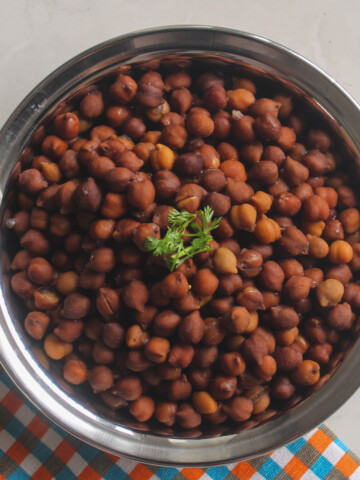
Step 10: And the cooked beans are ready to use in salads, curries and soups.
Why Soak Beans & Legumes?
Soaking isn't just a tradition, it's a time-tested technique that makes cooking easier and tastier.
- Reduces Cooking Time: Soaked beans are already partially rehydrated, so they cook faster. This is especially helpful when cooking on the stovetop.
- Improves Texture: Soaking ensures the beans cook evenly, avoiding hard centers or mushy exteriors.
Which Beans & Legumes Should You Soak?
Here's a simple kitchen guide to help you decide.
Must Soak (10-12 hours or overnight)
Dense beans always need soaking for tender results:
Want to Save This Recipe?
- Kidney Beans (Rajma): Soaking is non-negotiable for soft rajma.
- Chickpeas (Chana): Essential for creamy chana masala.
- Adzuki Beans: Small but benefit from overnight soaking.
- Yellow Peas (Matar): Needed for a soft, creamy texture.
Recommended to Soak (4-6 hours)
Smaller beans that cook faster but benefit from soaking:
- Black Beans: Greatly improve texture when soaked.
- Black-Eyed Peas: A short soak reduces cooking time and improves consistency.
No Need to Soak
Split dals cook quickly and can become mushy if soaked, so decide as per the recipe.
- Masoor Dal (Red Lentils)
- Moong Dal (Yellow Lentils)
- Toor Dal (Split Pigeon Peas)
- Urad Dal (Black gram)
For more on these quick-cooking dals, see my guide to everyday dals.
Quick-Soak Method (If You Forget!)
Short on time? Here's my backup method for the stovetop:
- Place rinsed beans in a pot with water.
- Bring to a boil and cook for 2-3 minutes.
- Turn off the heat, cover, and let them rest for 1-2 hours.
They won't be quite as perfect as overnight-soaked beans, but they'll still cook evenly and taste great.
Tested Tips from My Kitchen
- Always discard the soaking water. Fresh water gives the curry a cleaner flavor.
- Rinse 2-3 times before soaking for best results, similar to rinsing rice.
- If you cook beans often, soak extra and store them in the fridge for 2-3 days.
- For freezer meal prep, cook soaked beans plain and freeze them in portions to use later in curries or salads.
Your Next Step: Cooking
Now that your beans are soaked and ready, it's time to cook! Try these kitchen basic recipes and cook beans and legumes easily at home from scratch.
- Instant Pot Black Beans
- Instant Pot Black Eyed Peas
- Instant Pot Chickpeas
- Instant Pot Kidney Beans
- Instant Pot Kala Chana
Have you tried this method for soaking beans? I'd love to hear how this method works in your kitchen. Leave a comment below and explore more beginner-friendly cooking tips on the ENF site.
If you find my kitchen-tested tips helpful, click the button to see more of my recipes first when you search on Google!


Leave a Reply