
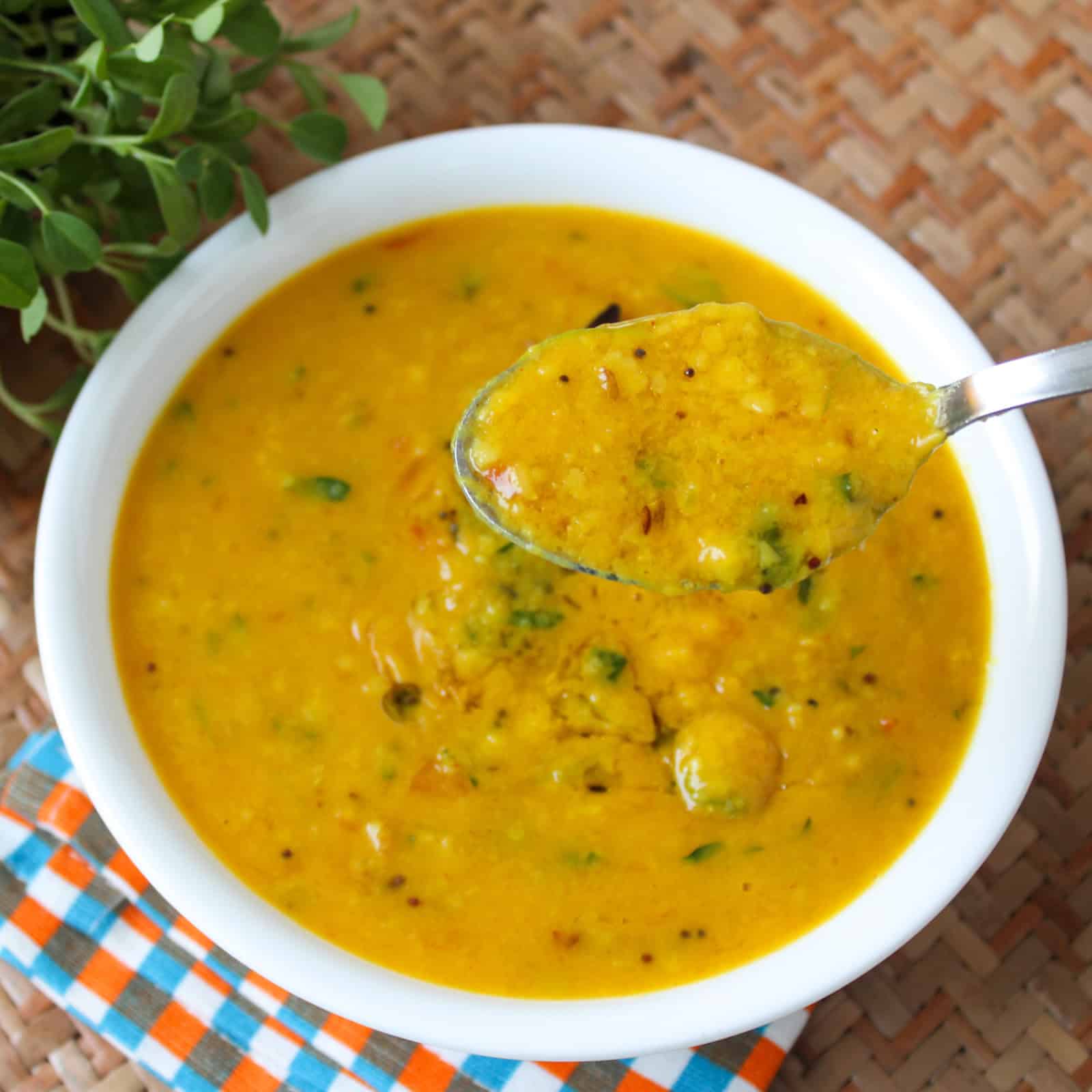
Indian dal is made by cooking lentils until soft and finishing them with a flavorful tadka. The lentil, spices, and consistency may change, but the basic method remains the same.
In this beginner's guide, I will show you how to make dal on the stovetop, choose the right spices, adjust the water, and check when the lentils are properly cooked. New to Indian lentils? My Indian Dals and Lentils guide explains the common varieties and how they are used.
Jump to:
The Simple Dal Method I Use at Home

I make dal regularly for our everyday lunches and dinners. The lentil, vegetables, leafy greens, and tadka may change, but I follow the same basic method. I cook the lentils until completely soft, prepare a simple tadka, and simmer everything together before adjusting the consistency.
The exact water quantity and cooking time can vary between moong dal, masoor dal, toor dal, and chana dal. I do not depend only on the timer. I check whether the lentils mash easily and whether they have absorbed the tadka properly.
Once you understand these cooking signs, you can use the same method to prepare many different Indian dal recipes with the ingredients you already have.
This guide focuses on the stovetop method. For faster pressure-cooked options, explore my Instant Pot dal recipes.
Happy Cooking!
-Sravanthi
Basic Spices for Indian Dal
You do not need a large spice collection to make Indian dal. Cumin seeds, turmeric, red chili powder, and salt are enough for a simple everyday dal.
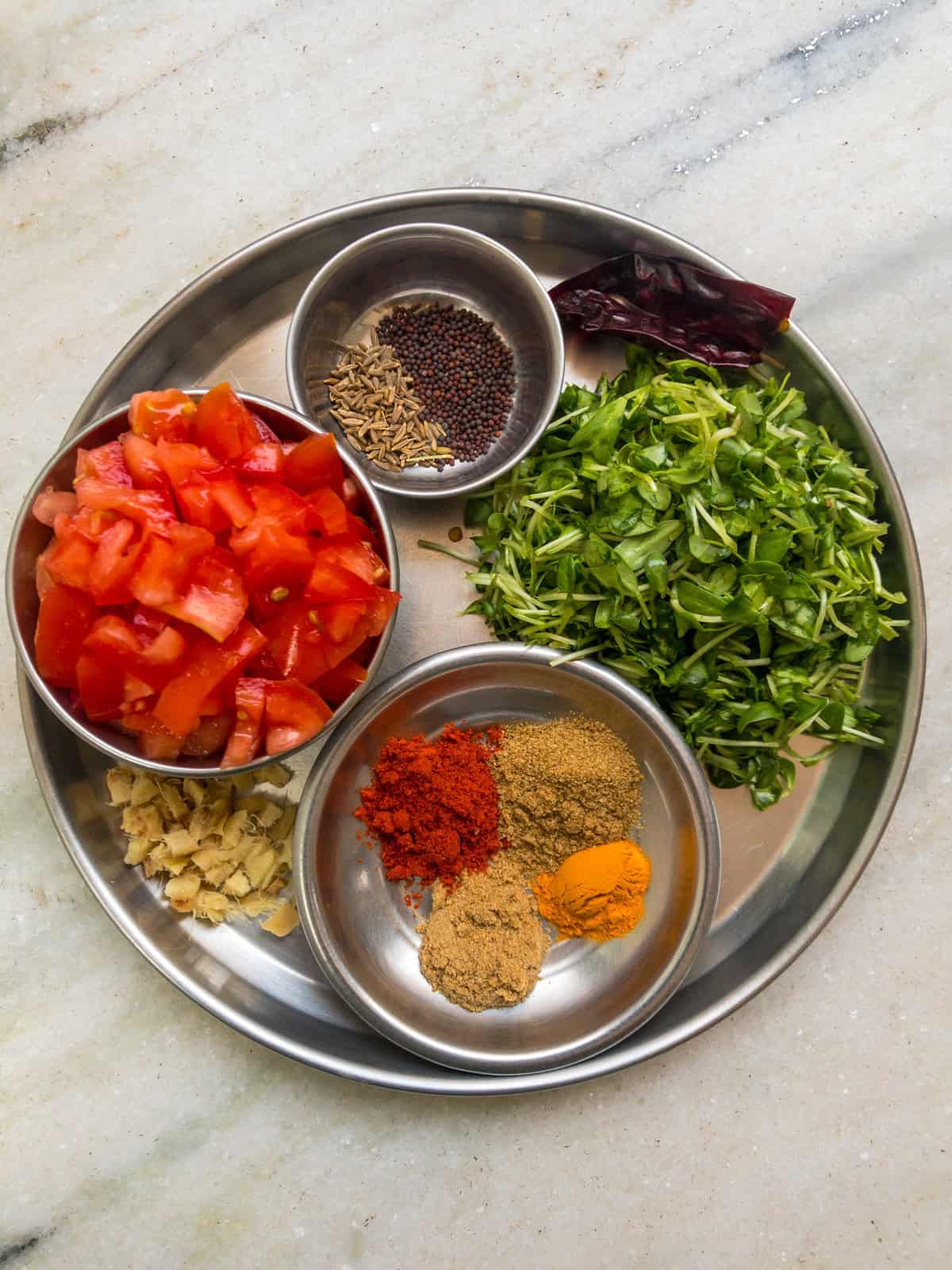
- Cumin seeds add a warm flavor to the tadka. Add them to hot oil or ghee and let them sizzle for a few seconds.
- Mustard seeds are commonly used in South Indian dal recipes. Let them pop in hot oil before adding the remaining tadka ingredients. I often use mustard and cumin seeds together, especially when making dal with vegetables or leafy greens.
- Turmeric powder gives dal its familiar golden color. I usually add it to the lentils along with the cooking water.
- Red chili powder adds heat and color. Start with a small amount and adjust it after the dal has simmered. Use Kashmiri chili powder when you want more color with less heat.
- Coriander powder works well in dal recipes with tomato, vegetables, or a thicker masala. I do not use it in every dal.
- Asafoetida, also called hing, adds a savory flavor to the tadka. Use only a small pinch. Hing is optional, and the dal will still taste good without it.
- Do I Need Garam Masala? Garam masala is not necessary for a basic dal. Some recipes use a small amount at the end, but I prefer to add it only when it suits the other ingredients.
Three-Step Dal Method
Most Indian dal recipes follow the same basic method: cook the lentils until soft, prepare the tadka or masala, and combine everything together.
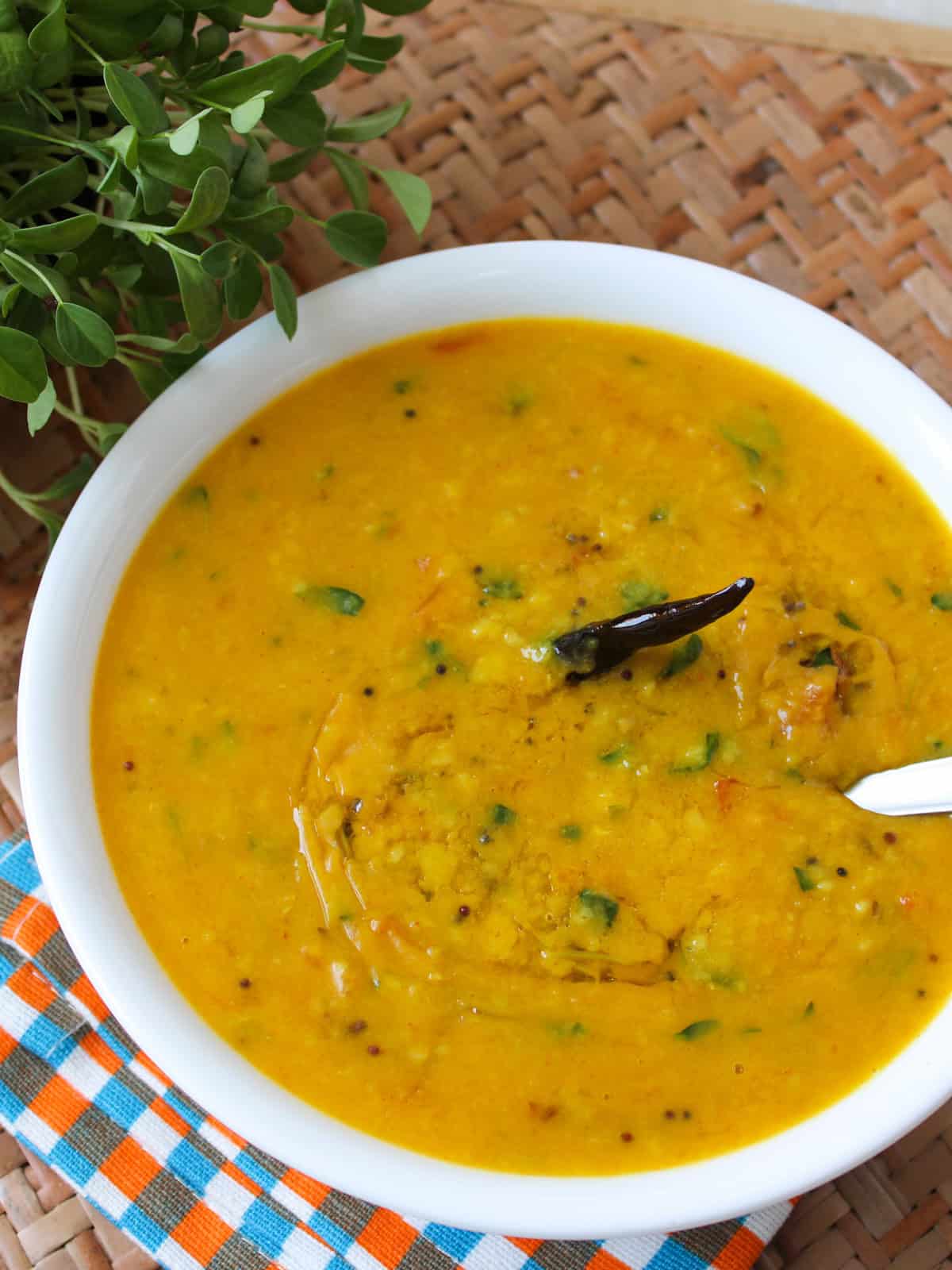
The photos below show my toor dal with fresh fenugreek leaves, but you can use the same basic process for many everyday dal recipes.
Step 1: Cook the Dal Until Soft
- Rinse the dal two or three times and drain the water.
- Cook it with water and turmeric until the lentils are completely soft and mash easily with the back of a spoon.
- For stovetop cooking, bring the dal to a boil, reduce the heat, and simmer partially covered. Stir occasionally and add a little hot water if it becomes dry before the lentils soften.
- For the Instant Pot, I use the pot-in-pot Instant Pot method: add the rinsed dal and water to a small steel bowl, place it inside the cooker, and pressure cook until the dal is soft and mashable.
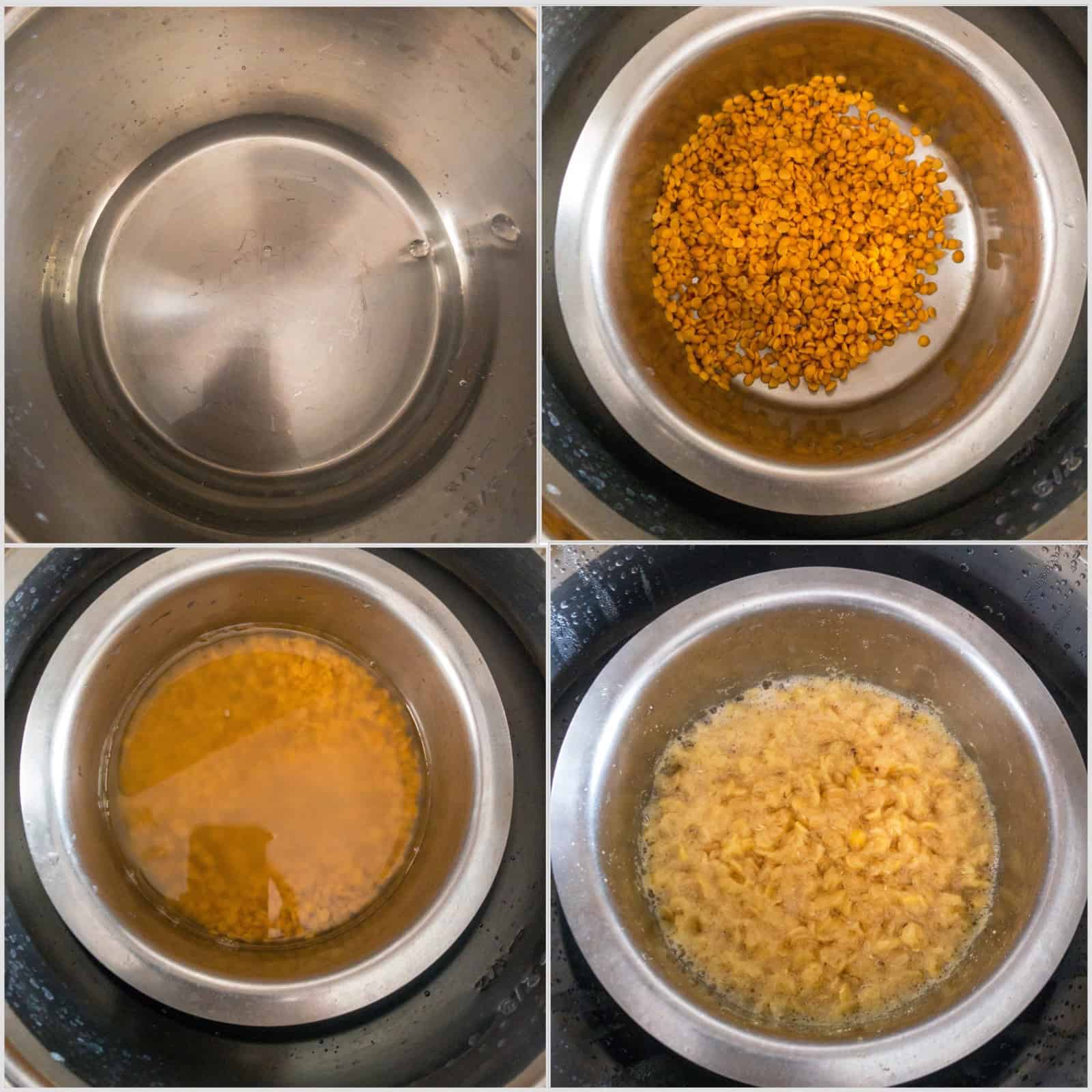
Dal soaking and cooking times
The cooking time depends on the type of dal you use. Older lentils may take longer to cook. Keep some hot water nearby and add it as needed.
| Dal | Soak | Cook time |
|---|---|---|
| Red masoor | No | 15-20 min |
| Split yellow moong | No | 20-25 min |
| Split green moong | Optional | 25-35 min |
| Toor dal | Optional (30 min) | 35-45 min |
| Chana dal | 30-60 min | 40-50 min |
For pressure-cooking times and water quantities, see my Instant Pot Dal Cooking Guide and Water Ratio Calculator.
Step 2: Prepare the Tadka and Masala
While the dal cooks, prepare the tadka.
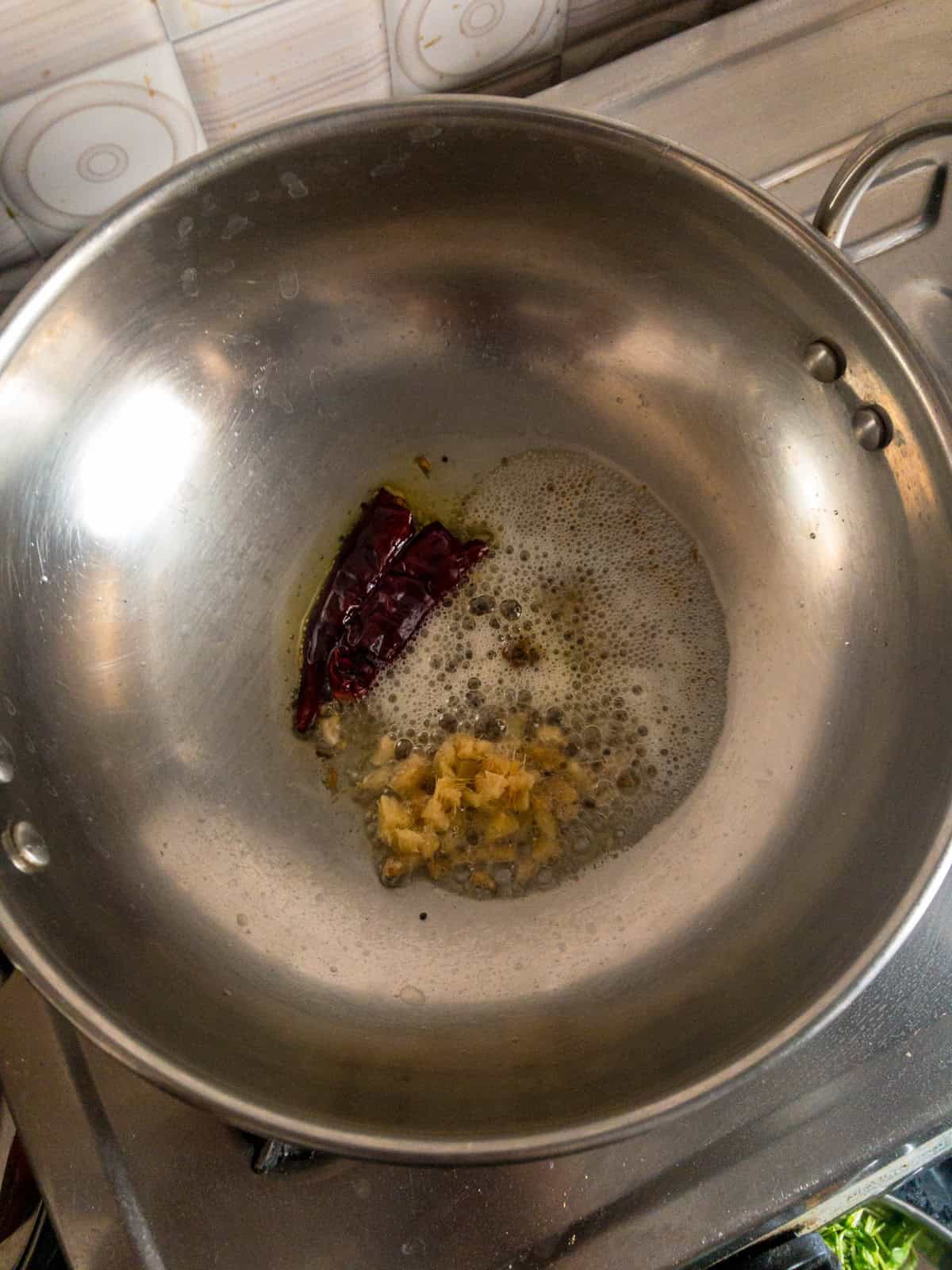
Step 1: Heat oil or ghee in a pan. Add mustard seeds and let them pop, then add cumin seeds, chopped ginger, and dried red chili.
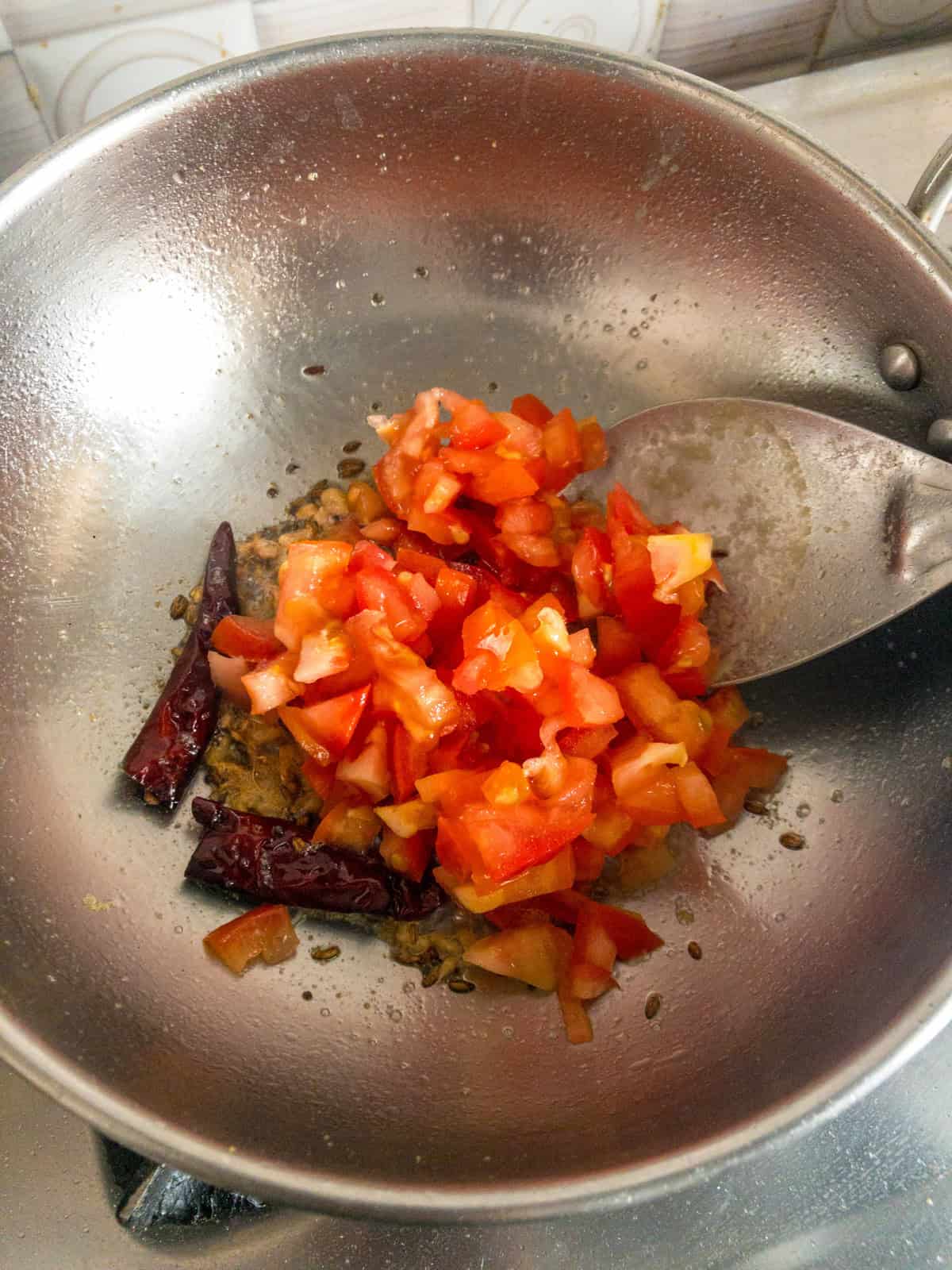
Step 2: Add chopped tomatoes.
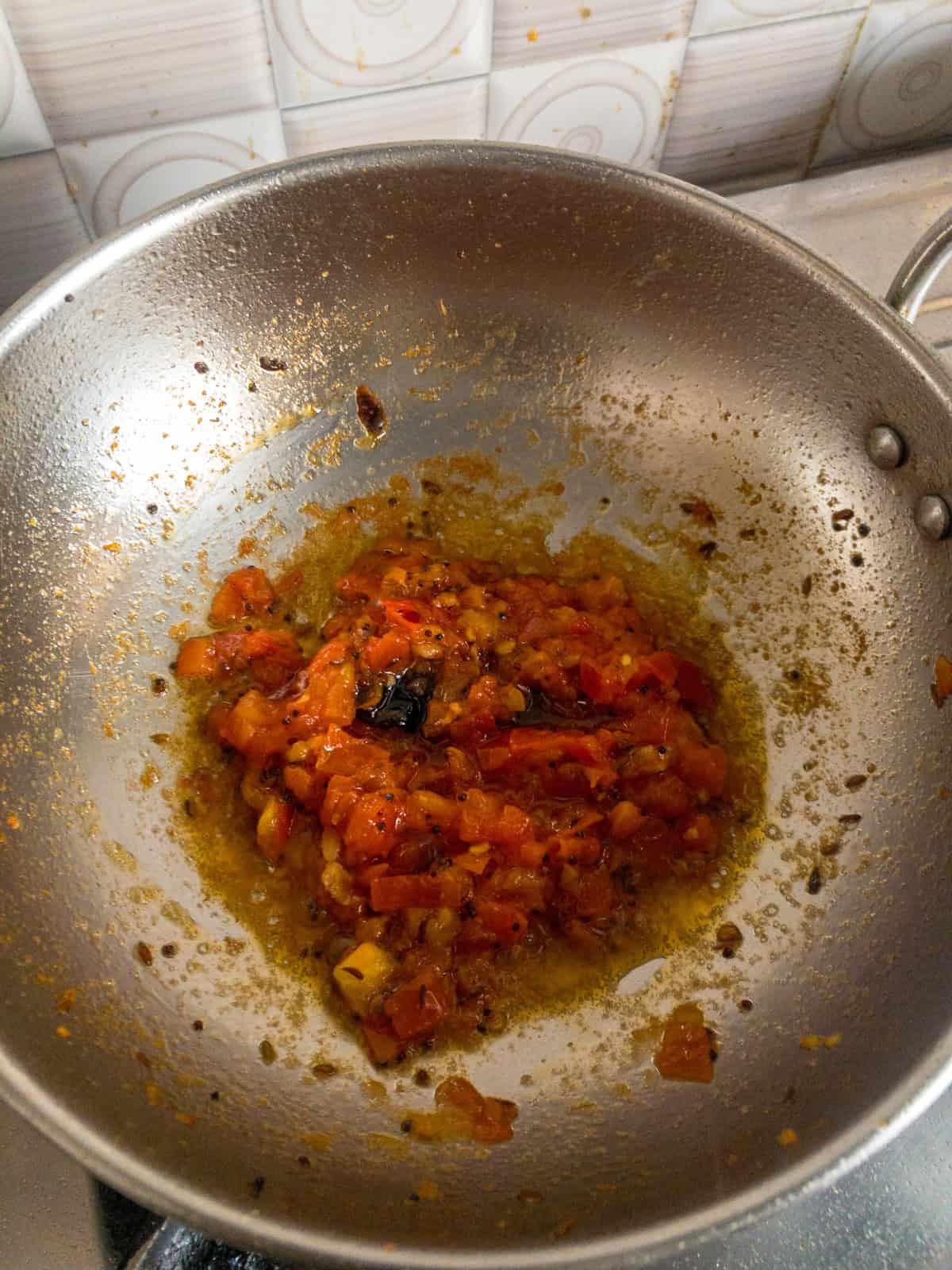
Step 3: Cook them until they become soft.
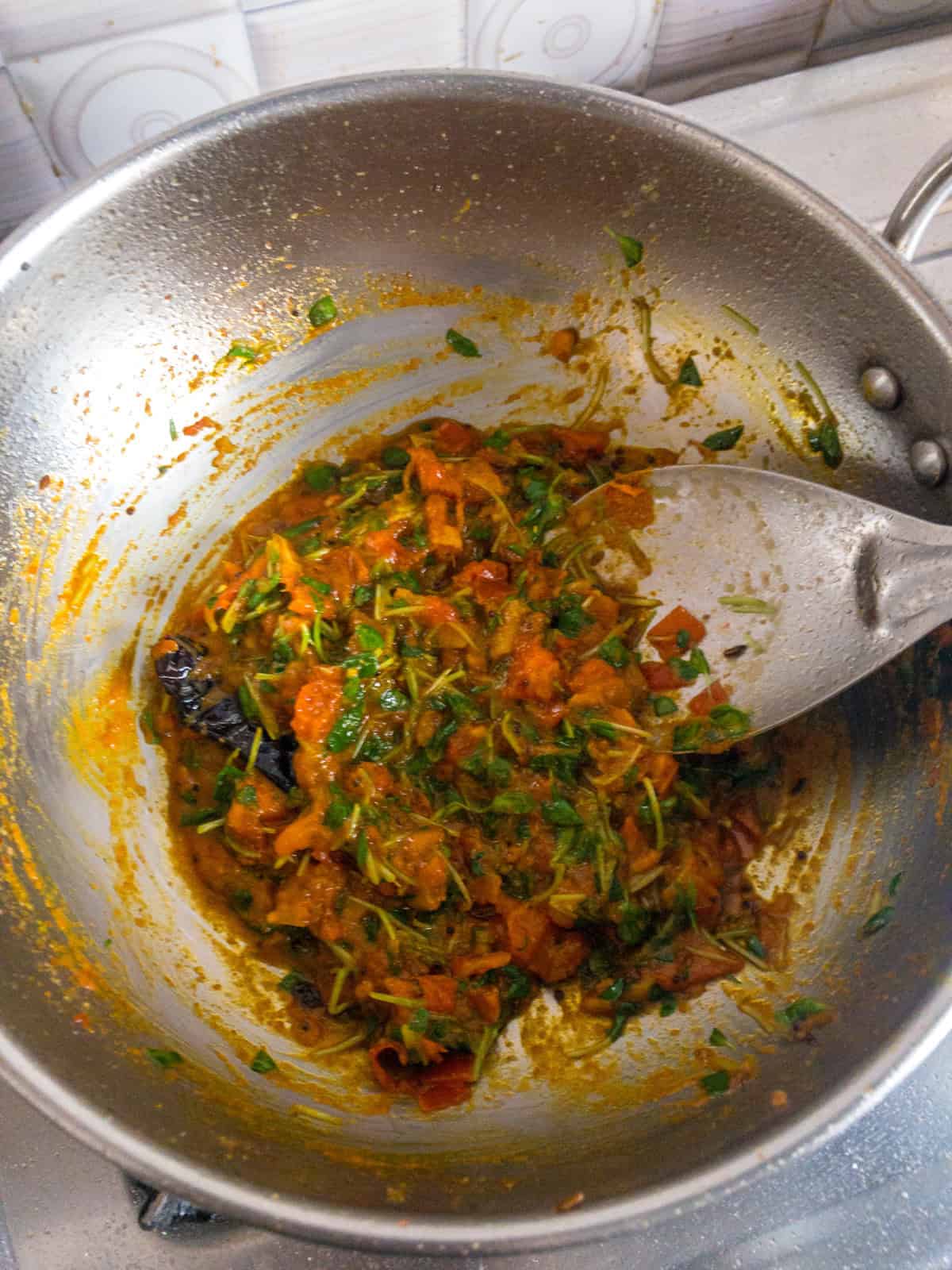
Step 4: Then add the ground spices, salt, and chopped fenugreek leaves. Cook until the methi wilts and the tomato mixture comes together.
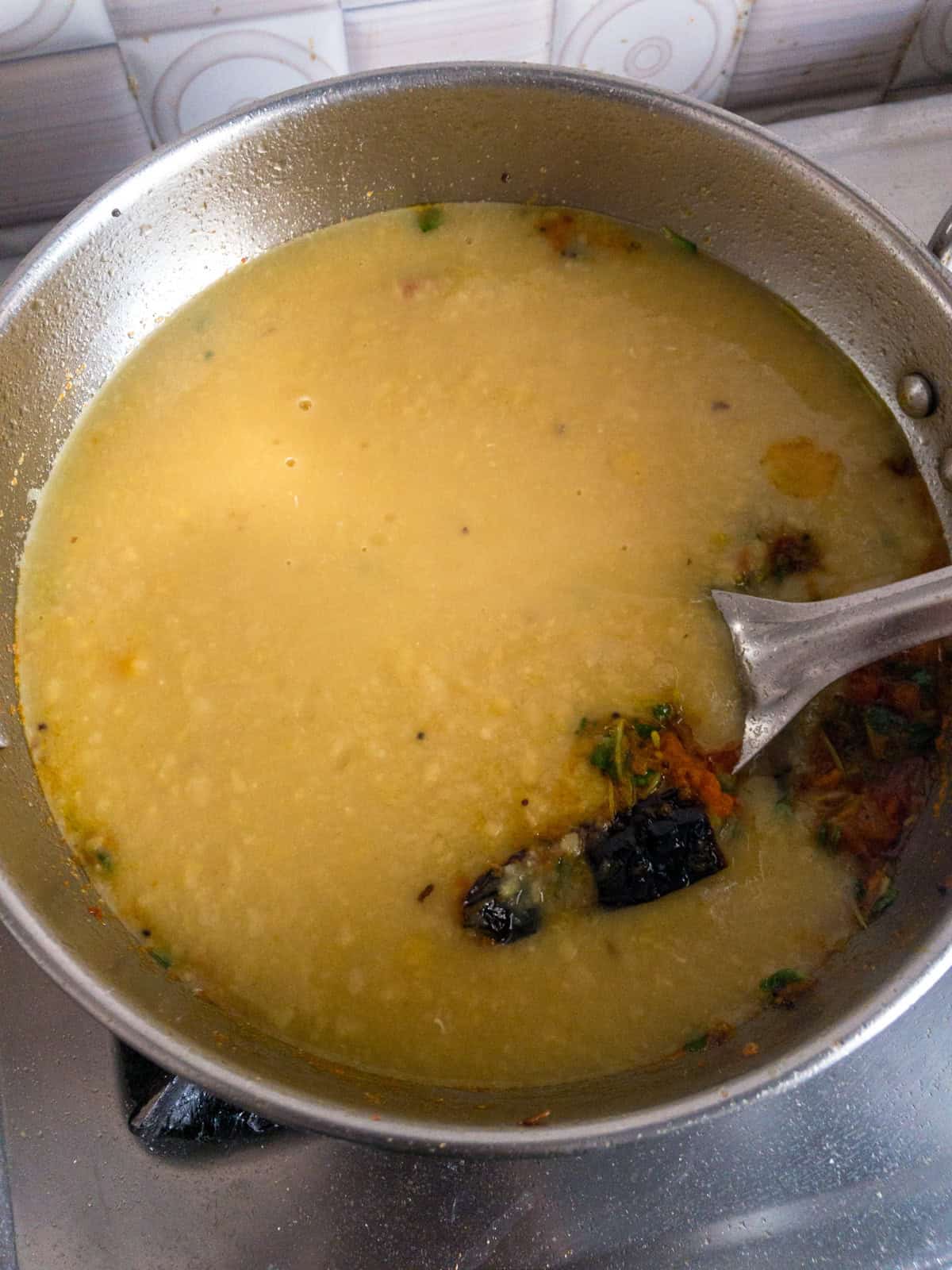
Step 5: Add the cooked dal to the prepared tadka and fenugreek masala. Mix well and add water if needed to adjust the consistency.
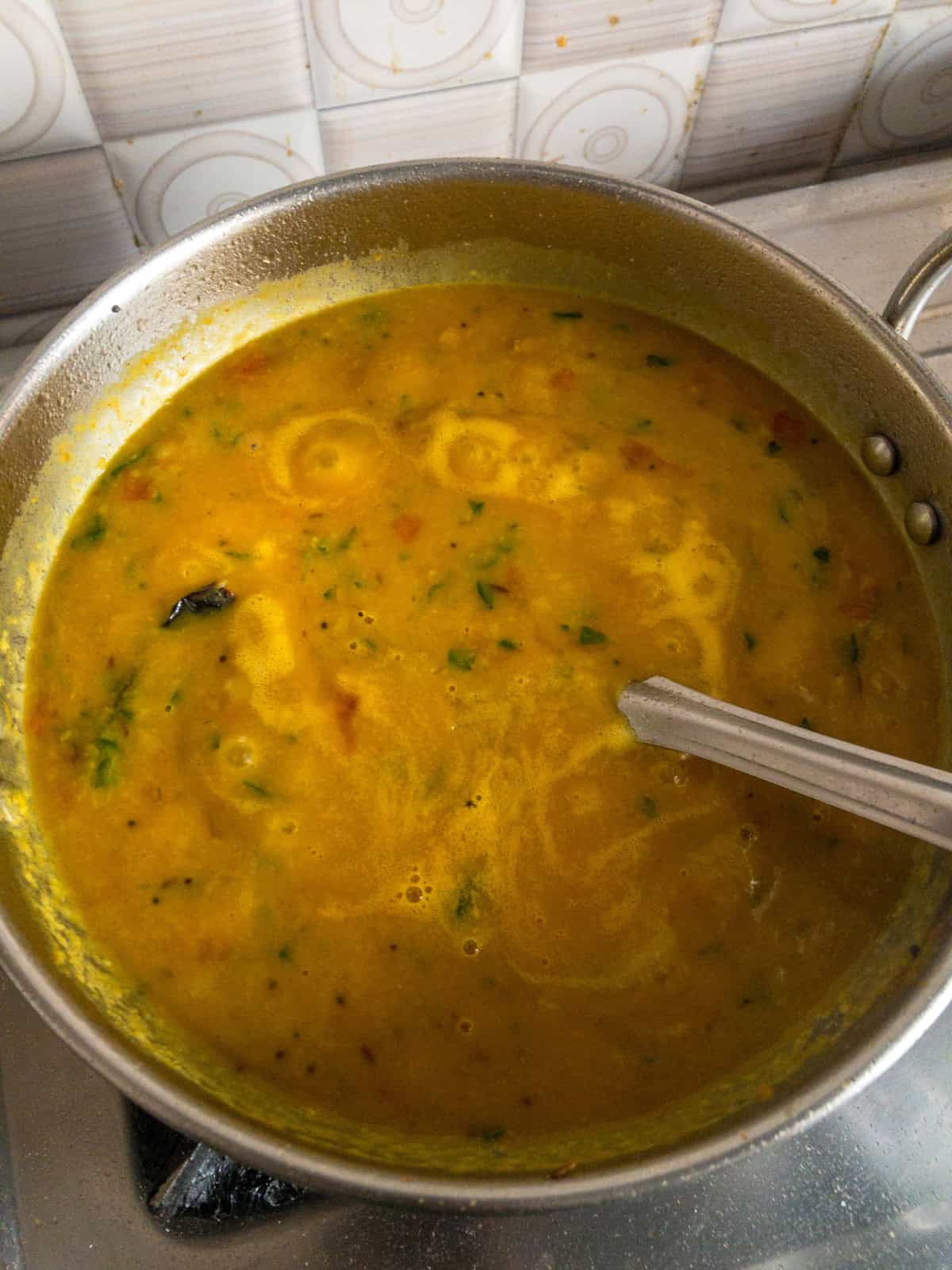
Step 6: Simmer everything together for about five minutes so the dal takes on the flavor of the spices and greens.
Step 3: Combine and Simmer
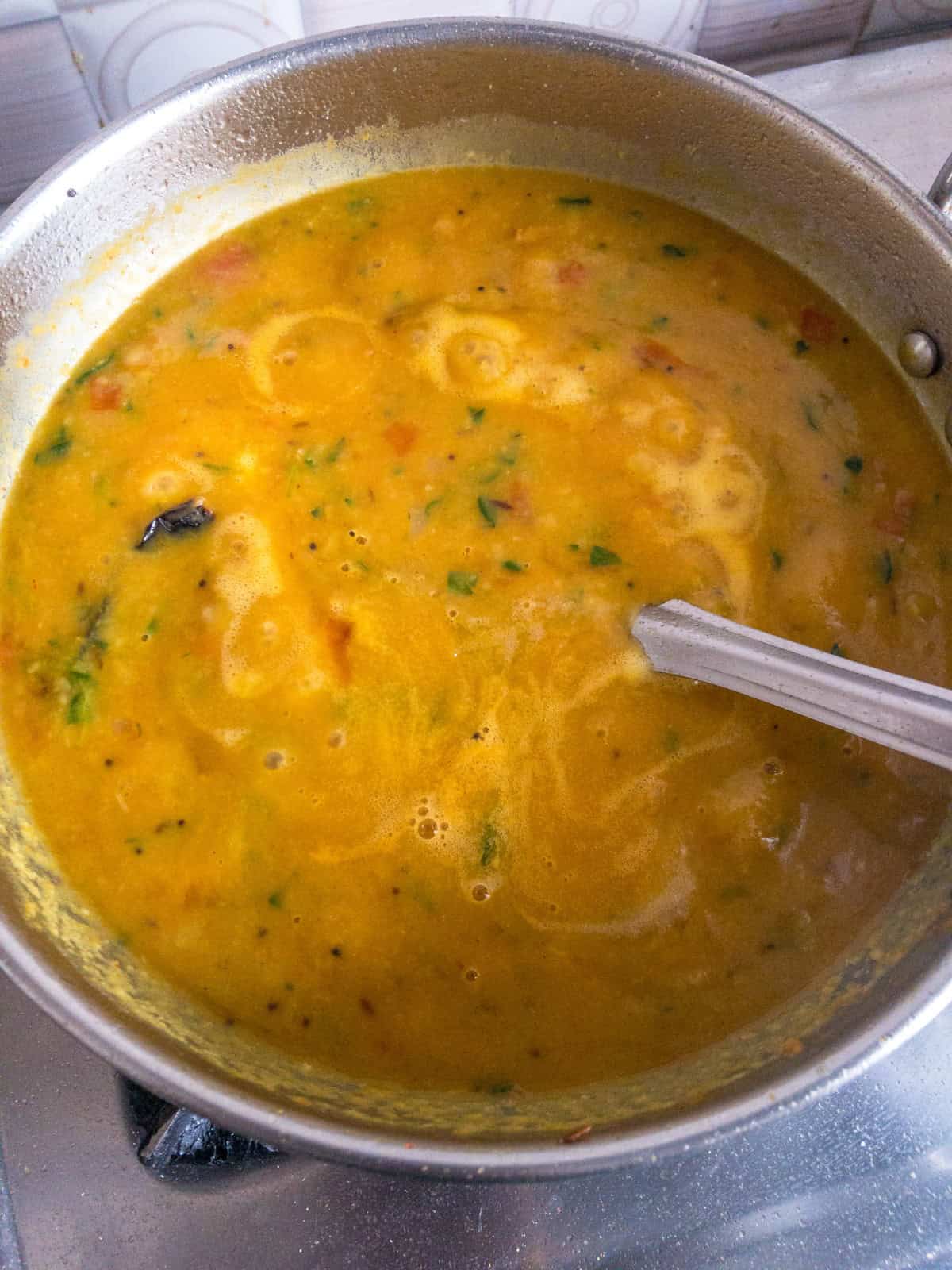
Step 7: Taste and adjust the salt before serving.
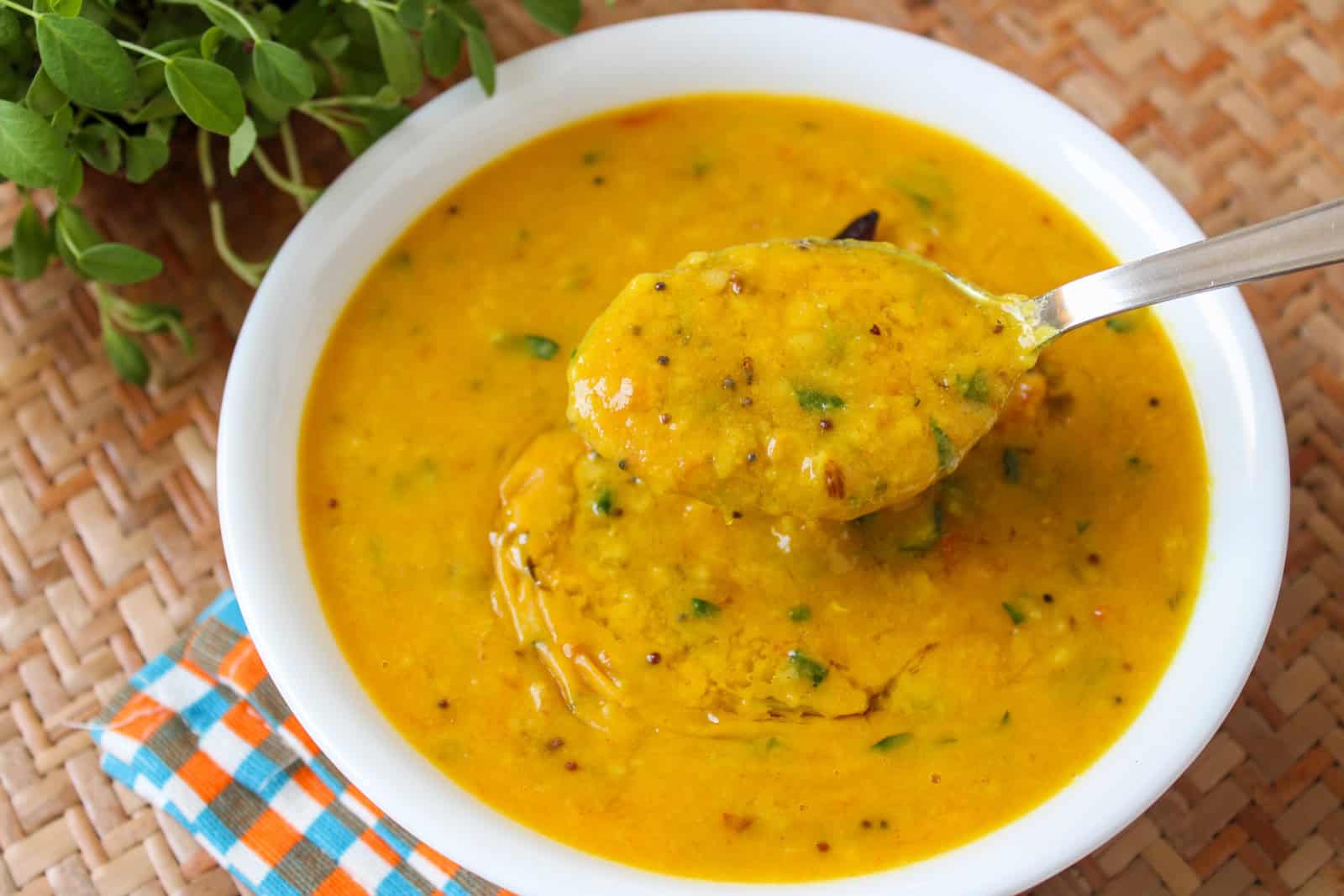
Step 8: For this methi dal, I like the consistency slightly pourable when serving it with rice. You can keep it a little thicker when serving it with roti or chapati.
Frequently Asked Questions
Moong dal and red masoor dal do not usually require soaking. Toor dal and chana dal benefit from soaking, especially when you cook them on the stovetop. Soaking can reduce the cooking time, but it is not essential. Continue cooking until the lentils become completely soft.
The foam comes from the starch released by the lentils. It is normal and does not mean anything is wrong with the dal. Skim off the excess foam and leave the pot partially uncovered to prevent it from boiling over.
Older lentils may take longer to cook. The dal may also need more water. Add hot water gradually and continue simmering. Hard water and acidic ingredients such as tomato or tamarind can also slow down softening. Let the lentils become tender before adding strongly acidic ingredients.
The lentils may not be fully cooked. Continue simmering the dal with additional hot water until the lentils mash easily. Adding the tadka does not soften undercooked lentils.
Dal can be thin, pourable, or thick depending on the recipe and how you plan to serve it. Keep it slightly thinner when serving it with rice. A thicker dal works well with roti or chapati.
You can cook lentils with turmeric and salt without preparing a separate tadka. However, tadka adds most of the spice flavor to a simple dal. Even a basic tadka with cumin seeds and oil makes a noticeable difference.
Yes. Many everyday dal recipes do not need garlic or onion.
Use cumin seeds, mustard seeds, ginger, hing, chilies, or fresh coriander leaves to add flavor.
Want to Save This Recipe?
Recipe
Easy Indian Dal
Rate this recipe by clicking the stars!
Ingredients
For Cooking the Dal
- ½ cup toor dal
- 2 cups water add more if needed
- ¼ teaspoon turmeric powder
For Tempering and Simmering
- 1 teaspoon oil
- ¼ teaspoon mustard seeds
- ¼ teaspoon cumin seeds
- 1 whole dried red chili optional
- 1 teaspoon ginger finely chopped
- ½ cup tomato chopped
- ½ teaspoon cumin powder
- ½ teaspoon coriander powder
- ½ teaspoon red chili powder
- ¾ cup fenugreek leaves chopped, you can use any leafy greens or skip them
- ¾ teaspoon salt adjust to taste
Instructions
Rinse the Dal
- Rinse the dal two or three times and drain.
- Soak it for 30 minutes when you have time. Soaking is optional, but it can reduce the stovetop cooking time.
Cook the Dal
- Add the rinsed dal, 2 cups of water, and turmeric powder to a heavy-bottomed pot.½ cup toor dal, 2 cups water, ¼ teaspoon turmeric powder
- Bring it to a boil uncovered and skim off the excess foam.
- Reduce the heat and partially cover the pot.
- Simmer for 35 to 45 minutes, or until the dal is completely soft.
- Stir occasionally. Add a little hot water if the dal becomes dry before it has softened.
- Mash the cooked dal lightly with the back of a spoon.
Prepare the Tadka
- Heat oil in a pan over medium heat.1 teaspoon oil
- Add the mustard seeds and let them pop.¼ teaspoon mustard seeds
- Add the cumin seeds and dried red chili. Let them sizzle for a few seconds.¼ teaspoon cumin seeds, 1 whole dried red chili
- Add the chopped ginger and cook for about 30 seconds.1 teaspoon ginger
Cook the Tomato and Fenugreek
- Add the chopped tomato and cook for four to five minutes, or until soft.½ cup tomato
- Reduce the heat. Add cumin powder, coriander powder, red chili powder, and salt.½ teaspoon cumin powder, ½ teaspoon coriander powder, ½ teaspoon red chili powder, ¾ teaspoon salt
- Add the chopped fenugreek leaves and cook for two to three minutes, until the leaves wilt.¾ cup fenugreek leaves
Combine the Dal and Masala
- Add the cooked dal to the fenugreek mixture.
- Mix well and simmer everything together for another five minutes.
- Add water if you prefer a thinner consistency.
- Taste and adjust the salt and red chili powder. Serve hot with rice or roti.
Notes
Tips for Cooking Dal on the Stovetop
- Cook the lentils until completely soft. They should mash easily with a spoon. Undercooked dal can stay grainy even after you add the tadka.
- Keep hot water nearby. Add a little whenever the dal becomes too thick before the lentils are fully cooked.
- Partially cover the pot. A fully covered pot can cause the dal to foam and boil over.
- Reduce the heat before adding ground spices. Red chili powder and other ground spices can burn quickly.
- Adjust the consistency at the end. Dal thickens as it sits, so add a little hot water before serving when needed.
- Start with fewer spices. You do not need a long spice list for everyday dal.
- Taste after combining everything. Mix in the tadka, simmer briefly, and then adjust salt and spices.
Save This Recipe for Later
Nutrition
If you find my kitchen-tested tips helpful, click the button to see more of my recipes first when you search on Google!
Serving Tips
For an everyday meal, I usually serve dal with rice or roti and one simple vegetable side.
- With Rice: Serve dal over plain steamed basmati rice or Indian flavored rice. My Instant Pot basmati rice and rice cooker basmati rice recipes are useful when you want a hands-off rice option.
- With Roti or Chapati: A slightly thicker dal works well with roti, chapati, or vegetable parathas like spinach paratha, pumpkin paratha, or zucchini paratha.
- Add a Vegetable Side: Pair dal with a dry vegetable dish such as cabbage stir-fry, roasted cauliflower florets, or spinach potato curry. The soft dal and dry vegetable side give the meal different textures. Browse my Vegetable Side Dishes collection for more simple sides to serve with dal, rice, or Indian flatbreads.
- Make a Simple Indian Meal: For a larger meal, serve dal with rice or roti, one vegetable side, and a fresh salad like kachumber salad or tomato onion salad.
Can I Add Leafy Greens to Dal?
Yes. Adding greens does not change the basic dal method.
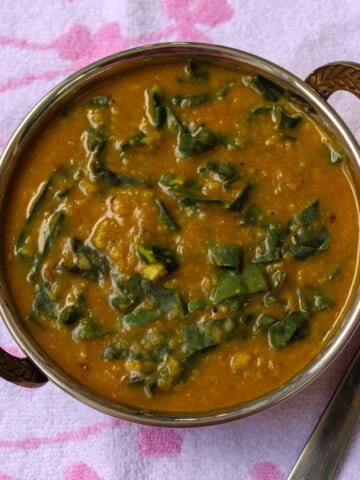
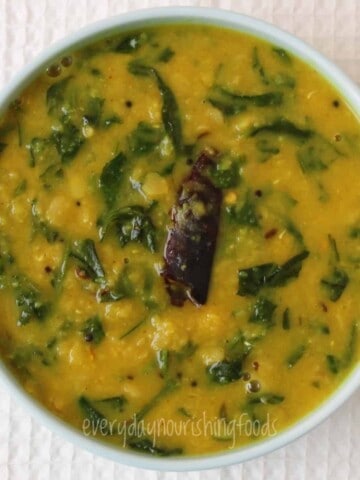
I used fresh fenugreek leaves in this toor dal recipe. You can also use spinach, kale, amaranth leaves, or gongura. Tender greens such as spinach need only a few minutes of cooking. Firmer greens such as kale need a little longer.
For greens-based dals, try these dal recipes.


Have you tried this Indian dal at home? Please share your feedback in the comments. Not sure which variety to start with? My guide to the best lentils for making dal will help you choose one based on its texture, flavor, and cooking time.
PIN the recipe for later use!
If you find my kitchen-tested tips helpful, click the button to see more of my recipes first when you search on Google!


Leave a Reply